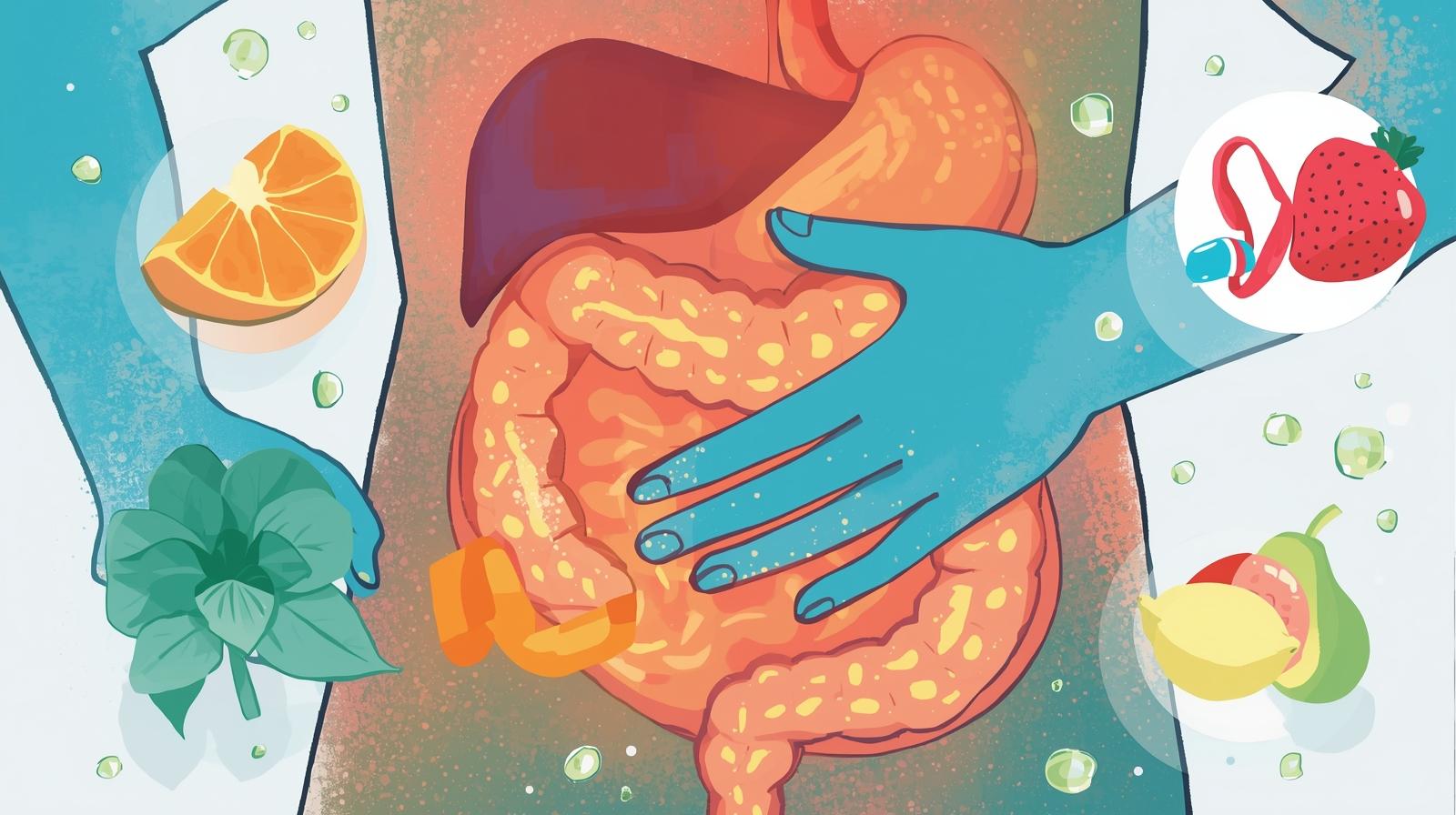
Natural Solutions for Enhancing Gut Health and Digestion
A robust gut contributes significantly to overall health. It plays a vital role in digestion, immunity, mood regulation, and metabolism. As research delves deeper, the connections between gut health and various bodily functions have become increasingly clear, making it a hot topic in wellness.
If you struggle with bloating, fatigue, or irregular bowel habits, your gut might be signaling that something needs to change. Fortunately, achieving and maintaining optimal digestive health naturally is achievable through smart dietary and lifestyle choices.
This guide highlights some natural and scientifically supported strategies for enhancing gut health and improving digestion.
Understanding Your Gut
Your gastrointestinal tract, or gut, is home to trillions of microorganisms—bacteria, fungi, and viruses—together forming the gut microbiome. These organisms facilitate food digestion, vitamin production, and immune defense.
A balanced microbiome promotes smooth digestion. If disrupted by unhealthy eating, stress, or antibiotics, it can cause issues like gas, constipation, inflammation, and reduced immunity.
The Importance of Gut Health
Gut health extends beyond simply avoiding discomfort; it is crucial for:
-
Nutrient absorption – A well-functioning gut optimizes the benefits you gain from your diet.
-
Immune system function – Approximately 70% of the immune system operates within the gut.
-
Hormonal balance – The gut helps regulate hormones, including serotonin, often dubbed the "happiness hormone."
-
Detoxification – An efficient gut is vital for flushing out toxins and waste.
An unhealthy gut can manifest as fatigue, mood fluctuations, skin issues, and frequent infections.
Signs of Gut Imbalance
Recognizing signs of poor gut health is the first step before pursuing improvements. Common indications include:
-
Persistent bloating or gas
-
Irregular bowel motions (e.g., constipation or diarrhea)
-
Heartburn or discomfort after eating
-
Cravings for sugar
-
Unexplained tiredness
-
Mental fog or mood variations
-
Skin conditions like acne or rashes
If you regularly encounter several of these symptoms, your digestive system may require attention.
Effective Natural Approaches to Enhance Gut Health
Here are some practical, natural strategies to promote a healthy gut.
1. Prioritize a Fiber-Infused Diet
Dietary fiber serves as nourishment for the beneficial bacteria in your gut. High-fiber foods act as prebiotics, fostering the growth of good bacteria. A diet abundant in fruits, vegetables, whole grains, and legumes encourages better digestion and regular bowel movements.
Top fiber-rich options include:
Include both soluble fiber (for stool softening) and insoluble fiber (for bulk) in your meals.
2. Incorporate Probiotics into Your Diet
Probiotics are beneficial live bacteria that enhance your gut microbiome. Regular consumption of foods rich in probiotics can restore balance, particularly after antibiotic treatment.
Foods loaded with probiotics include:
If not included in your diet, consider a high-quality probiotic supplement after professional consultation.
3. Ensure Proper Hydration
Hydration is crucial for enhancing digestive health. It aids in breaking down food, nutrient absorption, and waste elimination. Aim for 2–3 liters of water daily, alongside hydrating foods like cucumbers, oranges, and watermelon.
4. Reduce Processed and Sugary Foods
Excess sugar and processed items promote harmful bacteria and yeast. Over time, this can lead to inflammation, digestive issues, and fatigue. Focus on limiting refined carbs, artificial sweeteners, and fried foods.
Swap sugary treats for healthier alternatives such as nuts, fruits, or yogurt. Your palate will adjust to naturally sweet foods over time.
5. Control Stress Levels
The link between the brain and gut—the gut-brain axis—is substantial. Chronic stress can disrupt gut microbiota and impede digestion. Stress may worsen ailments like irritable bowel syndrome (IBS).
Stress management techniques include:
-
Meditation and deep breathing
-
Yoga or mild stretching
-
Outdoor activities
-
Listening to soothing music
-
Consistent sleep patterns
6. Prioritize Quality Sleep
Inadequate sleep not only drains energy but disrupts gut bacteria rhythms. Studies indicate lack of sleep can lead to gut inflammation and irregular digestion.
Aim for 7–9 hours of quality sleep nightly. Create a calming nighttime routine, maintain a regular sleep schedule, and limit screen time before bed.
7. Practice Mindful Eating
Eating too rapidly can lead to discomfort and digestive issues. Mindful eating helps you slow down, chew thoroughly, and appreciate meals without distractions.
To practice mindful eating:
-
Choose a seat for every meal.
-
Refrain from using screens while eating.
-
Chew slowly and thoroughly.
-
Listen to your body and stop when satisfied, not when full.
This approach not only aids digestion but also helps prevent overeating.
8. Include Fermented Foods
Fermented items are rich in probiotics and beneficial enzymes that enhance digestion. Regular inclusion in your diet helps maintain gut balance and mitigate inflammation.
Common fermented foods include:
-
Yogurt and kefir
-
Kombucha
-
Natural pickles
-
Sauerkraut and kimchi
Regular small portions can significantly enhance digestive wellbeing.
9. Foster Regular Exercise
Physical activity promotes gut motility and supports a healthy microbiome. Even moderate exercise boosts blood circulation to digestive organs.
Beneficial exercises for gut health include:
Strive for at least 30 minutes of moderate activity most days.
10. Use Antibiotics Wisely
While antibiotics are crucial in treating infections, misuse can upset the balance of gut fauna. Always use antibiotics when prescribed, and consider probiotics afterward to help recover balance.
Gut-Healing Foods
Building a robust digestive system involves focusing on foods that nurture the gut lining and encourage beneficial bacteria.
Healing foods include:
-
Bone broth (high in collagen)
-
Garlic and onions (natural prebiotics)
-
Ginger and turmeric (anti-inflammatory)
-
Berries (rich in antioxidants)
-
Whole grains such as brown rice and oats
-
Leafy greens and cruciferous vegetables
These foods enhance digestion, reduce bloating, and contribute to long-term gut health.
Habits to Avoid for Optimal Digestion
Even a healthy diet can be undermined by certain behaviors:
-
Eating late at night
-
Overeating or skipping meals
-
Excessive caffeine or alcohol consumption
-
Inadequate hydration
-
Ignoring the urge to use the restroom
Making small lifestyle changes can lead to noticeable improvements in digestive function.
When to Consult a Professional
If symptoms like bloating, constipation, or abdominal pain persist despite dietary changes, consulting a healthcare provider is critical. Conditions like IBS, food sensitivities, or leaky gut syndrome may necessitate specialized treatments or diagnostics.
Final Thoughts
Your gut health impacts much more than digestion; it affects your energy, mood, skin clarity, and overall immunity. By adopting a balanced diet, staying hydrated, managing stress, and leading a healthy lifestyle, you can organically improve digestive function and overall health.
Consistency in cultivating healthy gut habits pays off in the long run. Remember, a thriving gut equates to a healthier you.