The projected cost of hosting seven matches during the 2026 FIFA World Cup in Vancouver has increased significantly and is now estimated to be close to $700 million. The rising price tag has triggered political debate, public concern, and questions about whether the financial benefits of hosting the global tournament will be enough to justify the growing expenses. Reports suggest that updated estimates place the total cost between approximately $700 million and $729 million, far higher than earlier projections.
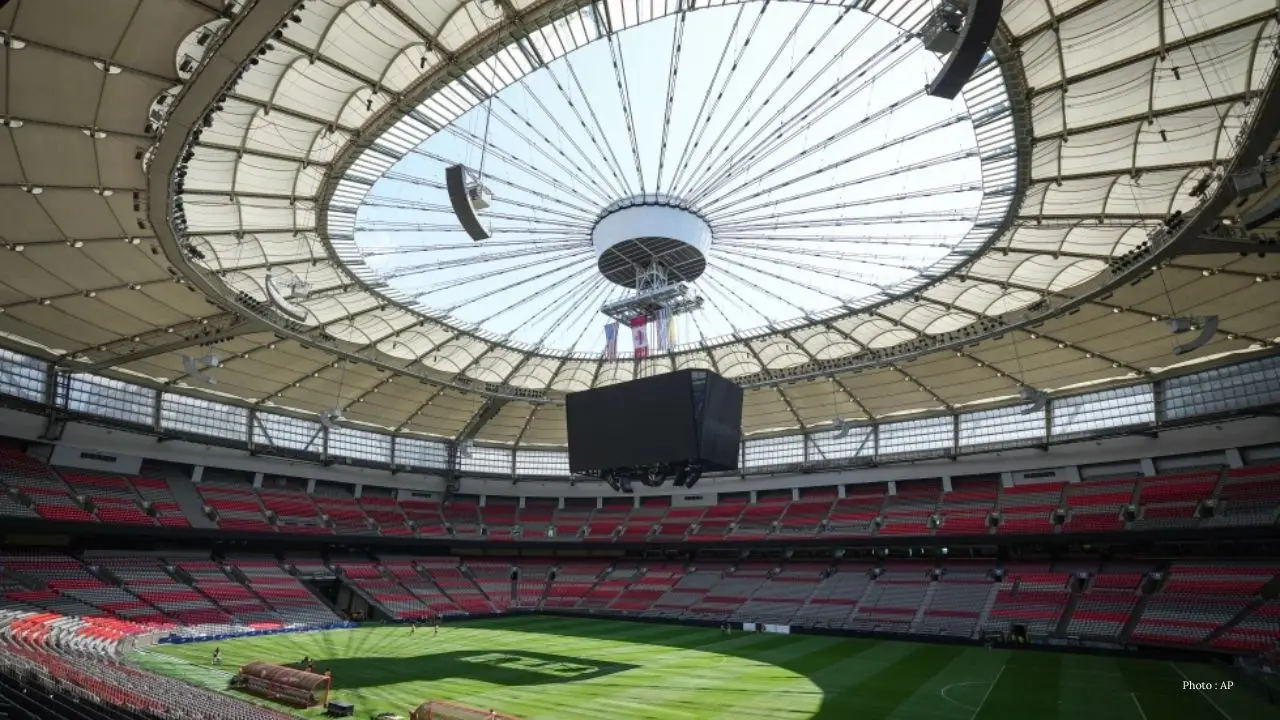
Vancouver is scheduled to host seven FIFA World Cup matches at BC Place, making it one of Canada's two host cities alongside Toronto. The matches include group-stage games as well as knockout-round fixtures, with Canada expected to play two group matches in the city. Officials believe the tournament will place Vancouver on one of the biggest international stages in sports and attract visitors from around the world.
However, the rapidly increasing costs have become a major issue. Government spending is expected to cover security operations, transportation planning, event management, fan festivals, infrastructure upgrades, emergency services, staffing, and other tournament-related requirements. Critics argue that the financial burden on taxpayers continues to grow while details about long-term economic returns remain uncertain.
The issue has generated strong reactions among residents and political observers across British Columbia. Many people have questioned whether spending hundreds of millions of dollars on seven football matches is the best use of public funds, especially at a time when concerns about housing affordability, healthcare funding, public transit, and social services remain high. Some critics have argued that resources could be directed toward local community needs rather than an international sporting event. Community discussions online have reflected growing frustration over the scale of spending and the lack of transparency surrounding some of the costs.
Supporters of the World Cup project argue that the tournament will deliver major economic benefits through tourism, hotel bookings, restaurant spending, international exposure, and business opportunities. They believe the event could bring millions of dollars into the local economy while promoting Vancouver as a global destination for future tourism and investment. The FIFA World Cup remains the most watched sporting event in the world, attracting billions of viewers internationally.
Still, economists and policy experts often debate whether mega sporting events produce the long-term financial gains that governments expect. Studies of previous World Cups and Olympic Games have shown mixed results, with some host cities benefiting from increased tourism and infrastructure investment while others struggled to recover costs after the events ended. This has led some analysts to call for greater financial transparency and detailed public reporting on how taxpayer money is being spent.
The growing cost estimate has also drawn comparisons with other host cities. Some North American cities either declined to host World Cup matches or negotiated different financial arrangements because of concerns about expenses and FIFA requirements. As Vancouver's projected costs continue to rise, critics are asking whether officials underestimated the true financial commitment involved in bringing the tournament to the city.
Despite the controversy, preparations for the tournament continue. Government officials maintain that hosting the World Cup will provide significant economic and cultural opportunities while creating a memorable experience for residents and visitors. Organizers are continuing work on security planning, transportation systems, fan events, and stadium operations ahead of the tournament's opening matches in 2026.
As the final cost projections become clearer, public attention is expected to remain focused on whether the benefits of hosting one of the world's biggest sporting events will outweigh the nearly $700 million investment. The debate has already become one of the biggest political and financial discussions surrounding Canada's role in the 2026 FIFA World Cup.