Photo: X / Lt. Tim Owens
More Injured Released After Hollow Water Stabbing Attack
The small community of Hollow Water First Nation in Manitoba is slowly recovering after a shocking stabbing attack last week. More injured people are being released from the hospital, and officials are working to help the community during this difficult time. Leaders are also calling for better cell phone coverage to make sure emergencies can be handled more quickly in the future.
What Happened in Hollow Water?
On Thursday, July 4, 2024, a terrible incident shook Hollow Water First Nation, a community with more than 1,000 residents located about 160 kilometres northeast of Winnipeg. Marina Simard, an 18-year-old girl, was killed in a mass stabbing that left several others injured.
The suspect was 26-year-old Tyrone Simard, who was Marina’s own brother. Court records show that he had been ordered not to contact his sister when he was released from custody in June. He had past charges, including assault and sexual offences.
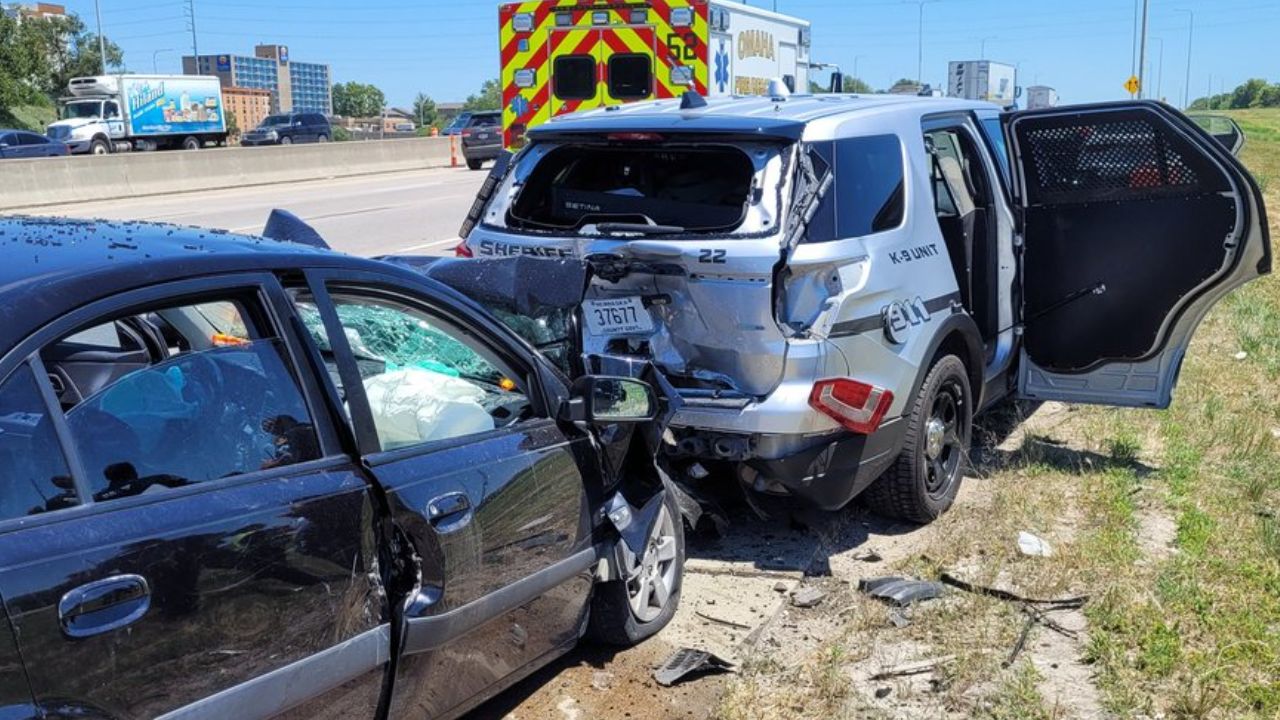
After committing the attack, Tyrone Simard tried to escape in a stolen vehicle but crashed into a police car. He died in the crash.
Victims Being Released from Hospital
Since the attack, hospitals have been treating the injured community members. Shared Health, the healthcare provider, confirmed that seven people were hurt. Some of them have already been sent home.
-
Three patients were released on Thursday, July 4.
-
Another one patient was released on Sunday, July 7.
-
The police officer injured in the crash is also expected to leave the hospital soon.
The hospital decided not to share more details to protect the privacy of those affected. Officials say all the injured are expected to return home in the next few days.
How the Community Is Responding
The people of Hollow Water are in deep grief. MLA Ian Bushie, who is from Hollow Water and related to some of the victims, said the community needs time and space to mourn their losses. He added that the whole community is supporting the families and helping them through this hard time.
A sacred fire was lit in the community as a way of praying and showing respect for the victims. Another fire will be lit once everyone is back home.
Students in Grade 12 are also planning to hold a candlelight vigil on Tuesday, July 9, to honour those affected by the attack.
Calls for Better Cell Phone Coverage
In the days following the tragedy, community leaders are asking for better cell phone coverage. Grand Chief Jerry Daniels of the Southern Chiefs' Organization explained that many First Nations communities don’t have good connections to emergency services like cell phones and internet networks. In Hollow Water, people often depend on landlines or calling through the internet.
Grand Chief Daniels said, “First Nations deserve the same emergency services as other communities. Better cell service would help in emergencies like this one.”
The community’s poor connectivity means that in times of crisis, it’s harder to get help quickly.
What Officials Are Saying
Even though there are gaps in service, MLA Ian Bushie believes that it didn’t stop the emergency response in this case. He said that the moment the call for help went out, support came quickly. Whether the alert was shared on social media or over a landline, help was dispatched right away.
Mike Moroz, Manitoba’s Innovation Minister, also said the government is aware of these problems. He promised that the government will work with the federal authorities to ensure better communication services across rural areas like Hollow Water.
Bell Canada, one of the largest phone service providers, said that its network covers nearly 99% of Canadians. The company is working with the government to expand services, including building new cell towers in Manitoba.
Why Connectivity Matters
Good cell service is crucial in emergencies. If someone is hurt or in danger, being able to call for help immediately can save lives. Many communities, especially in rural areas and on First Nations land, still lack the infrastructure needed to stay connected.
Improving internet and phone access can also help in other ways, like accessing medical help, staying in touch with family, and learning online.
Support for Families and the Community
Officials are making sure that families get the support they need. Besides medical care, emotional support is being provided. School students are holding events to remember those who were affected, and community leaders are offering counseling and other services.
The government is also making plans to ensure that families have the help they need after such tragedies. These steps include improving services and building trust within the community.
What Can Be Done Next?
-
Improve Connectivity: More cell towers and better internet service should be made available in rural and remote communities.
-
Support Mental Health: Families need counseling and emotional support to heal from the trauma.
-
Create Awareness: People should be informed about the importance of good emergency services.
-
Plan for Emergencies: Governments and communities need systems in place to respond quickly when danger strikes.
Conclusion
The stabbing in Hollow Water First Nation has been heartbreaking for the community and the whole province. While families and friends are trying to heal, leaders are calling for better services to help during emergencies. Everyone agrees that this tragedy has shown how important it is to make sure rural communities have the tools they need to stay safe.
As the people of Hollow Water remember their loved ones and support each other, there’s hope that steps taken now will prevent such tragedies from happening in the future.
Let’s keep working to ensure that every community has the care, support, and connection it needs when it matters the most.