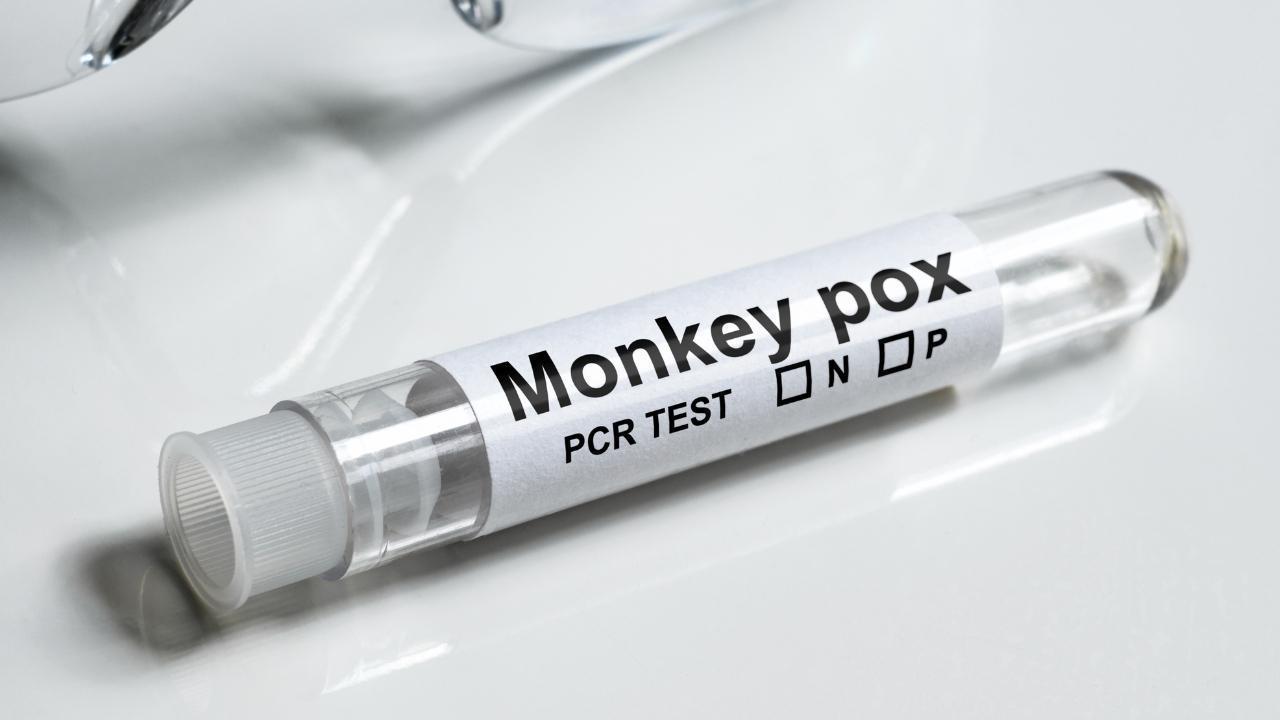
On July 28, 2025, Montreal Public Health issued a warning that new mpox cases have been detected in the city, sparking renewed concern about the virus’s persistence. These cases emerged after a period with no reported infections locally.
Recent Confirmed Cases
Two new laboratory-confirmed mpox cases were identified in the Montreal area. Both individuals are men who have sex with men (MSM) and are believed to have contracted the infection while traveling to regions with documented transmission. One had received only a single dose of the Imvamune vaccine, while the other had completed the recommended two-dose course. Neither case required hospitalization, as both displayed typical symptoms such as fever, rash, swollen lymph nodes, and fatigue.
Background of Mpox in Quebec
Between May and October 2022, Montreal saw approximately 400 probable or confirmed mpox cases. By February 2023, Quebec’s health ministry declared the local outbreak over, though the World Health Organization continued to classify the global situation as a public health emergency.
Following months without new infections, these latest cases signal a resurgence, albeit among travelers rather than stemming from local transmission.
Current Risk in Canada
Canada’s overall risk remains low. National data shows that most recent cases are caused by the Clade IIb strain, with just one imported case of Clade Ib reported. Transmission is ongoing in certain provinces, including Quebec, but case numbers are far below the peaks seen in 2022.
The outbreak still disproportionately affects MSM, representing around 95% of cases, with people aged 30–39 especially vulnerable. Hospitalizations remain rare, and no deaths have been reported in Canada to date.
Transmission, Symptoms & Prevention
Mpox spreads primarily through prolonged close skin-to-skin contact, respiratory droplets, and contaminated materials. It often affects MSM communities but can transmit more broadly. Symptoms typically surface within 1–21 days and include fever, muscle aches, rash progressing through stages, and swollen lymph nodes.
Vaccination with Imvamune dramatically reduces the risk of infection and severity. Montreal officials estimate that around 54% of at-risk individuals have received one dose, and only 24% have received the full two-dose series. Vaccination is strongly encouraged for individuals in high-risk groups and those exposed to confirmed or probable cases.
Public Health Guidance for Montreal Residents
Public health authorities are urging clinicians to stay alert for mpox symptoms and to continue offering vaccination to eligible individuals. High priority is given to MSM, sex workers, and those engaging in contact at social events. Wastewater surveillance through early March showed no evidence of sustained local transmission, though continuous monitoring is underway.
Global Context & Ongoing Epidemic Trends
Globally, mpox has resurged under Clade I, particularly the more transmissible and potentially severe Clade Ib, which ignited a new epidemic in Central Africa beginning in 2023. The World Health Organization reaffirmed the situation as a Public Health Emergency of International Concern (PHEIC) in August 2024 and again in March 2025, citing over 130,000 confirmed cases and ongoing uncertainty tied to surveillance and funding challenges.
Clade Ib infections have appeared sporadically outside Africa, including Canada, Europe, and Asia. Genomic and epidemiological tracking indicates these imported cases are typically linked to travel. Although risk in non-endemic countries remains low, the potential for spread through mass gatherings or travel events persists.
Why This Matters — Implications for Public Health
The reappearance of mpox cases in Montreal—after nearly two years of drought—highlights how quickly global outbreaks can locally re-emerge. With Canada seeing only sporadic cases and limited spread, local vigilance remains crucial. Public health strategies focus on targeted vaccination, community awareness, and clinical readiness to detect and respond quickly.
Clinics and community centers serving MSM and LGBTQ+ communities are key partners in these efforts. Tailored communication helps combat stigma and ensure at-risk individuals recognize symptoms and understand prevention measures.
Conclusion & Continuing Response
While the two new cases in Montreal do not indicate widespread local transmission, they serve as an important reminder that mpox remains active globally. Public health agencies continue to promote vaccination, clinical awareness, and risk reduction messaging, especially as travel and gatherings increase.
Residents are encouraged to monitor symptoms, seek medical support if suspicious signs emerge, and consider completing vaccination if eligible. By maintaining vigilance and preventive behavior, Montreal can help ensure mpox stays a controlled and rare disease rather than a resurgence.