US-Iran Peace Deal Offers Key Strategic Lessons for India
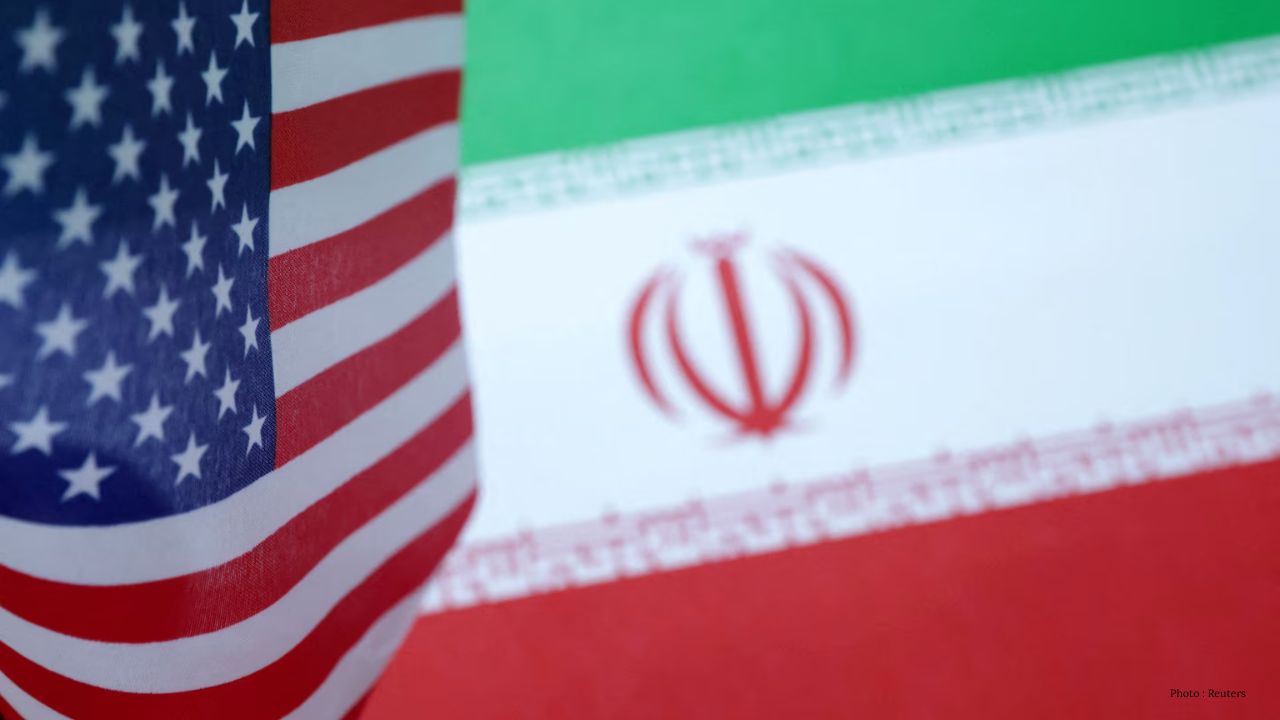
The peace agreement announced between the United States and Iran could have important implications for India, both economically and strategically. After four months of conflict that disrupted global energy markets and raised concerns about a wider regional war, the latest diplomatic breakthrough is being viewed as a development that may bring greater stability to West Asia and ease pressure on oil-importing countries like India.
The formal signing of the agreement is expected to take place in Geneva on June 19, following an announcement by US President Donald Trump that both sides had reached an understanding to end hostilities.
Conflict Had Triggered Global Energy Concerns
The fighting began in late February when the United States and Israel launched military operations against Iran over concerns related to Tehran's nuclear programme. The confrontation quickly expanded, with Iran responding through missile and drone attacks and tensions spreading across the region.
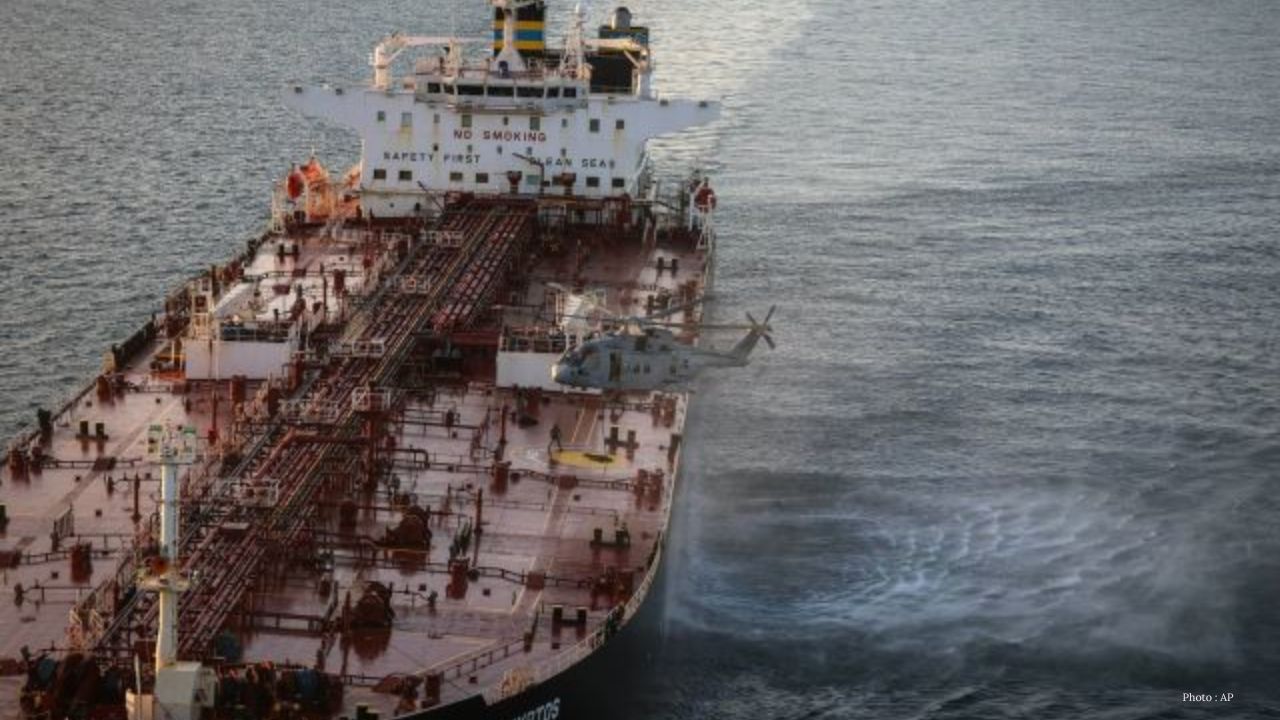
The conflict disrupted shipping through the Strait of Hormuz, one of the world's most important maritime routes, through which nearly one-fifth of global oil supplies pass. Oil prices surged above $100 per barrel during the crisis, raising concerns about inflation and energy security worldwide.
The agreement now aims to restore maritime traffic and stabilize energy markets.
Different Interpretations of the Agreement
Washington has presented the deal as a diplomatic success that could restore stability and safeguard global trade. Iranian officials, however, have portrayed the agreement as evidence that Tehran successfully resisted military pressure and forced negotiations.
Meanwhile, Israel has expressed reservations, arguing that unresolved issues concerning Iran's missile capabilities and regional influence remain a source of concern.
Analysts have cautioned that several complex matters, including Iran's nuclear programme and sanctions relief, are expected to be negotiated during a 60-day period following the signing of the memorandum.
Lessons for India
Experts believe the agreement provides several lessons for India. According to the Global Trade Research Initiative (GTRI), the conflict demonstrated how economic and strategic costs can influence international diplomacy.
GTRI founder Ajay Srivastava argued that India should continue engaging with major powers while maintaining strategic autonomy and protecting its own national interests.
For India, the reopening of the Strait of Hormuz could help stabilize crude oil supplies and reduce pressure on energy costs. The development may also support trade flows and contribute to greater economic certainty.
Importance of Strategic Independence
Foreign policy analysts have noted that India increasingly faces a complex global environment shaped by competition among major powers and changing regional alliances.
The US-Iran agreement highlights the importance of maintaining balanced diplomatic relations and pursuing policies that prioritize national interests in areas such as trade, energy security and technology cooperation.
While uncertainties remain over the implementation of the agreement, the easing of tensions in West Asia could offer short-term economic relief for India and provide broader lessons about the value of strategic independence and pragmatic diplomacy.
As negotiations continue and the final terms become clearer, policymakers in New Delhi are expected to closely monitor developments that could influence India's economic and geopolitical interests in the months ahead.
For all major updates and developments, stay connected with us.