Metro Vancouver and Spanish infrastructure company Acciona have officially settled multiple lawsuits connected to the troubled North Shore Wastewater Treatment Plant project, ending years of legal disputes surrounding one of British Columbia’s most controversial infrastructure developments. The settlement marks a major step toward restarting construction on the delayed and increasingly expensive project.
The North Shore Wastewater Treatment Plant was originally planned to replace the aging Lions Gate Wastewater Treatment Plant and improve wastewater processing for communities across North Vancouver and West Vancouver. However, the project became heavily criticized after construction delays, engineering disputes, and massive cost increases pushed the estimated budget far beyond its original projections.
Metro Vancouver had previously filed legal action against Acciona, alleging the contractor failed to properly deliver parts of the project and contributed to escalating costs and delays. Acciona responded with its own legal claims, arguing that design changes, project management problems, and decisions by Metro Vancouver were major causes of the difficulties.
After lengthy negotiations, both sides confirmed they reached a settlement agreement that resolves the outstanding lawsuits. Officials said the agreement allows the project to move forward without additional court battles, although detailed financial terms of the settlement were not publicly released.
The wastewater treatment project has become one of the most expensive municipal infrastructure controversies in Canadian history. Initial project estimates several years ago were significantly lower, but revised projections eventually climbed into the billions of dollars. Rising construction costs, inflation, design changes, and legal disputes all contributed to the dramatic increase.
Metro Vancouver officials said resolving the lawsuits was necessary to avoid further delays and uncertainty. Leaders argued that continuing legal battles could have slowed construction even more while increasing financial pressure on taxpayers and regional utility users.
The treatment plant is considered an important environmental and public infrastructure project because it is intended to improve wastewater management standards and meet stricter environmental regulations. Once completed, the facility is expected to serve hundreds of thousands of residents across the Metro Vancouver region.
Critics of the project, however, continue questioning how costs rose so dramatically and why earlier management decisions failed to prevent the crisis. Some local politicians and residents have demanded stronger oversight, more transparency, and independent reviews into how the project was handled from the beginning.
The dispute also became politically sensitive because Metro Vancouver municipalities may ultimately face higher utility costs connected to the project’s expanding budget. Concerns over taxpayer responsibility and long-term infrastructure spending have remained central issues throughout the controversy.
Acciona is one of the world’s largest infrastructure and renewable energy companies and has worked on major transportation, water, and construction projects internationally. The company maintained throughout the dispute that many of the project’s problems were linked to changing requirements and management decisions beyond its direct control.
Industry experts say large infrastructure projects across North America have increasingly faced similar challenges in recent years, including supply chain disruptions, labour shortages, inflation, and engineering complications. However, the North Shore project became especially controversial because of the scale of its delays and budget increases.
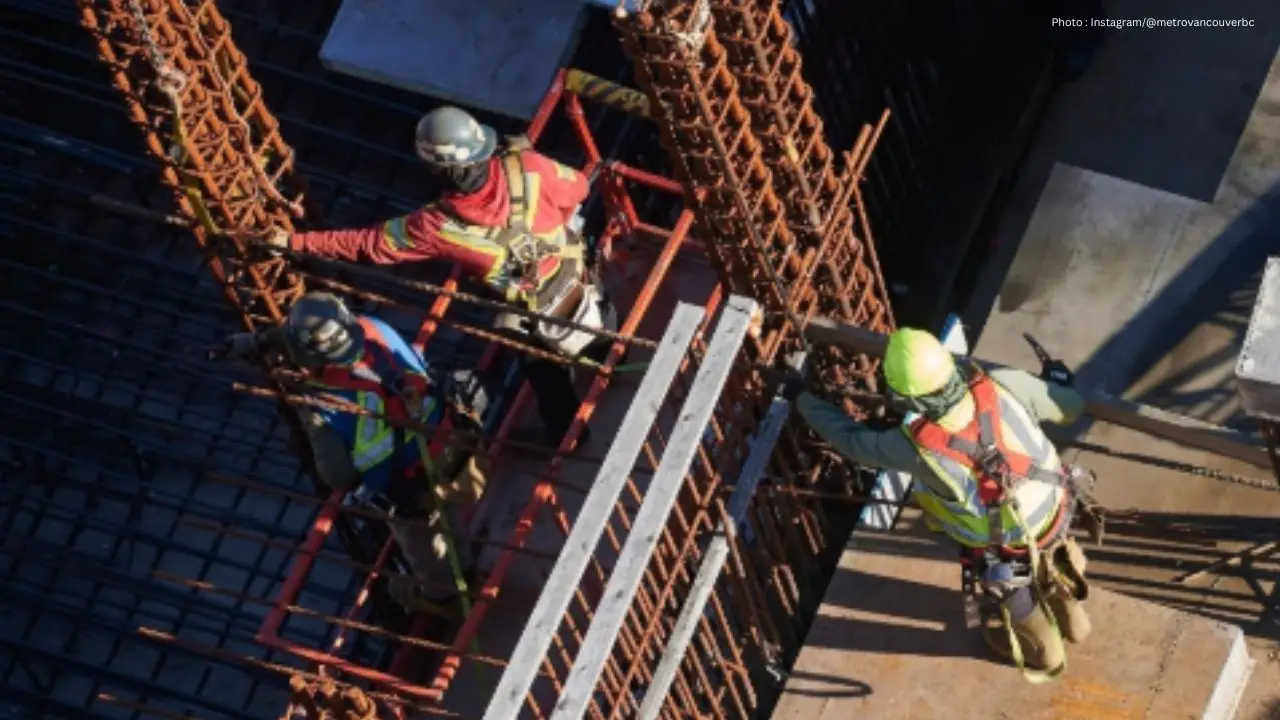
Metro Vancouver officials now say the focus will shift toward completing the plant as quickly and safely as possible. Construction timelines and updated cost estimates are expected to continue evolving as work resumes under revised project management plans.
Despite the settlement, public scrutiny surrounding the wastewater treatment plant is likely to continue. Residents, municipal leaders, and financial watchdogs are expected to closely monitor future developments to ensure the project avoids additional major delays or unexpected cost increases.