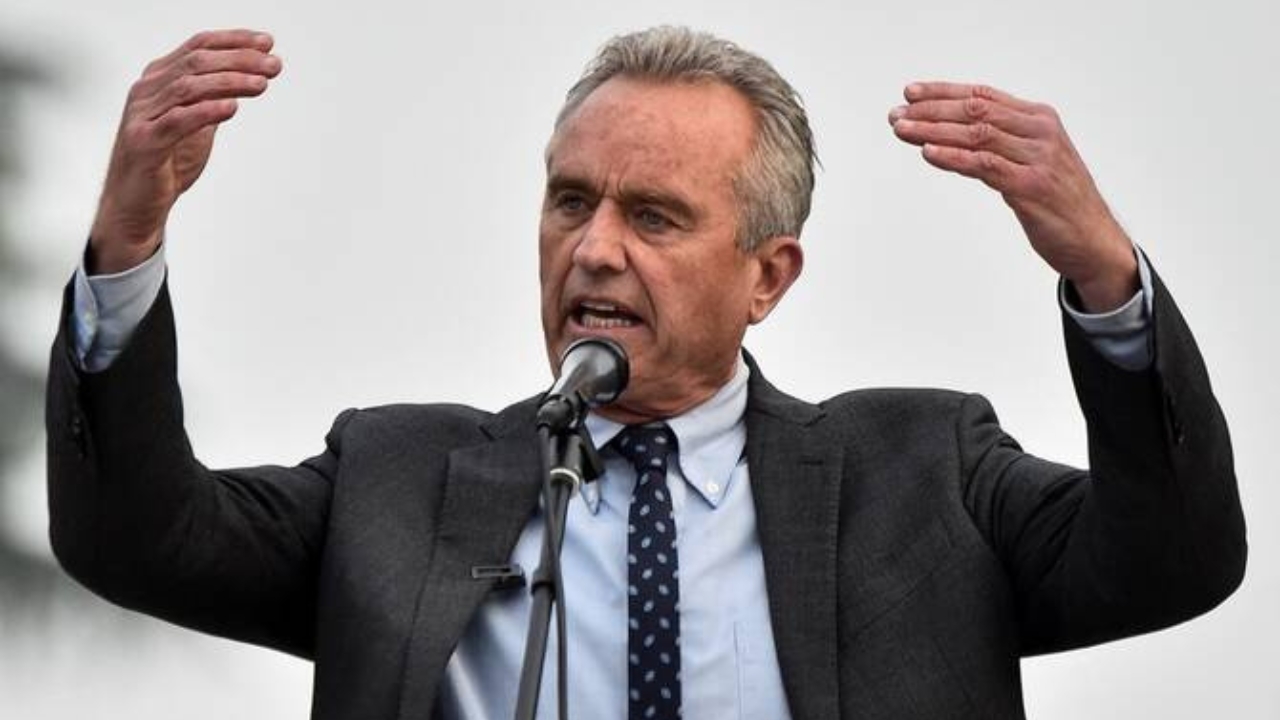
Photo:Reuters
The health of a nation depends not only on the strength of its hospitals, doctors, and medicines but also on the leadership of those who run its public health system. In the United States, that responsibility rests heavily on the Health and Human Services (HHS) Secretary. Today, Robert F. Kennedy Jr., the current U.S. Health Secretary, is facing loud and repeated calls for his resignation, led not by political rivals but by medical groups, doctors’ associations, and public health experts.
This has become one of the sharpest confrontations between science and political leadership in America’s medical system. The debate tells us much about how fragile public trust in healthcare has become—and why leadership choices can shape the nation’s confidence during times of crisis.
The Core of the Dispute
At the center of this conflict are Kennedy’s controversial positions on vaccines, drug prices, and public health policy. For many years, Kennedy has voiced skepticism about vaccine safety. While he argues that his views are about protecting individual rights, medical experts believe such statements spread doubt and confusion at a time when public health relies on widespread vaccine confidence.
The American health sector is only beginning to recover from the painful divisions of the COVID-19 pandemic, where misinformation cost lives and fueled mistrust. For many doctors and scientists, Kennedy’s leadership is reopening wounds that had just begun to heal.
In addition, critics accuse him of mismanaging federal programs, including reforms related to drug pricing and hospital funding. Medical associations worry his leadership could slow down efforts to make health treatment more affordable and weaken America’s readiness for future outbreaks.
Voices From the Medical Community
More than a dozen major medical organizations have now raised their voices. Doctors’ groups, pediatric experts, and public health professionals have come together to sign open letters that directly urge the Biden White House to replace Kennedy.
This unity is striking. Medical advocates rarely push for a cabinet member’s resignation unless they see deep risks to patient care. Their message is clear: the secretary’s approach is hurting public trust, and the health system cannot afford further division.
One pediatric physicians’ group remarked that “when national health leadership conflicts with scientific consensus, children and families fall victim to doubt, fear, and hesitation.” Such warnings highlight the real danger: public confusion leads people to delay or reject vaccines, medical treatments, and preventive care.
Supporters’ Perspective
At the same time, Kennedy does have supporters. He has built a reputation as a critic of big pharmaceutical companies. Many ordinary Americans who face crushing medication costs see him as a voice willing to stand up against powerful industries. For them, his role is refreshing—a rare government leader openly challenging corporate influence.
His defenders argue that questioning the pharmaceutical market is not the same as rejecting science. They believe Kennedy brings necessary debate about medical transparency, drug monopolies, and patient rights. This group warns against silencing an official just because he refuses to follow established voices.
The Political Angle
Politics cannot be separated from this debate. Kennedy is not just any health leader; he carries the powerful legacy of the Kennedy family, with a name deeply tied to American political history. Yet, his legacy is also marked by controversy. His outspoken views on medical practices have often made him a target for criticism from mainstream political parties.
Lawmakers from both Democrats and Republicans have now raised concerns about his leadership. For President Biden’s administration, this creates a difficult choice. Removing Kennedy could be seen as a step toward restoring public confidence. But keeping him risks enlarging the gap between government policy and scientific authority.
The Bigger Picture: Trust in Public Health
At its heart, this debate is not just about one man in one position—it is about the future of trust in American public health. The COVID-19 years showed how dangerous it is when science and politics clash. Millions of people doubted vaccines, resisted safety measures, and dismissed expert advice. That distrust cost lives and prolonged the crisis.
Today, the same question rises again: will people believe doctors and medical experts, or will they turn to political figures with alternative viewpoints? Public health cannot function without shared trust. If the public becomes split between science and politics, the consequences go far beyond one person’s career.
Why Calls for Resignation Matter
Medical groups urging a cabinet secretary to resign is a serious and rare move. It signals that health professionals believe the risks of confused or divided leadership are too high. Their demand is not just about Kennedy—it is about protecting community health, preventing misinformation, and ensuring that national policy reflects scientific guidance.
When medical leaders join hands to make such a call, it reflects both fear and urgency. They fear that the nation may relive the storms of pandemic-era misinformation. They feel urgency because healthcare rests on fragile bonds of trust, which can easily break if contradicting voices in leadership continue to dominate.
What Comes Next
As of now, the Biden administration has not issued a direct response. Observers note that the rising chorus of disapproval may force the government’s hand. If Kennedy refuses to step aside, the issue will likely shape political debates ahead of the 2026 elections. For the White House, ensuring trust in its health department will be critical if it hopes to reassure the nation in times of growing health challenges.
Meanwhile, America continues to face pressing health crises: rising drug costs, uneven access to affordable care, the emergence of new infectious diseases, and the need for mental health support across communities. These problems demand strong, unified leadership at the top of HHS.