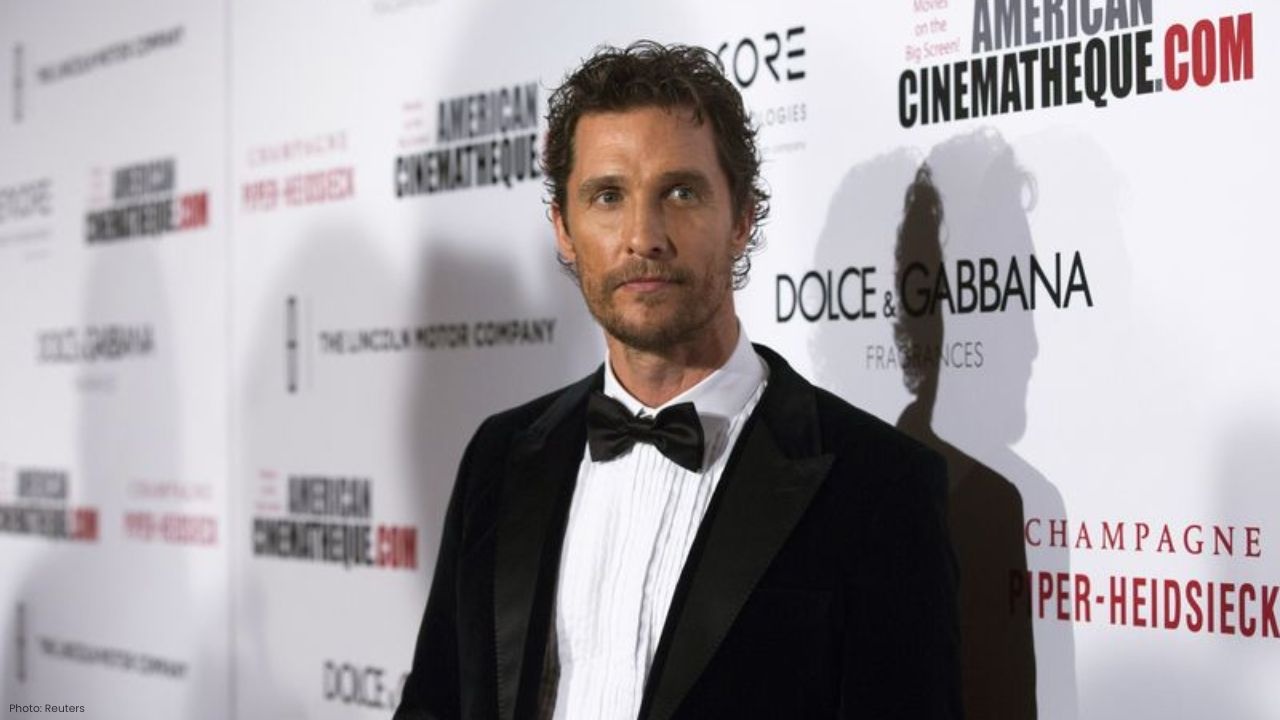
In a significant development that bridges the gap between artificial intelligence and the entertainment realm, Oscar-winning actors Matthew McConaughey and Sir Michael Caine have entered a partnership with the AI audio firm ElevenLabs. This collaboration aims to license their voices for digital recreation, highlighting the industry's gradual embrace of AI in storytelling.
Details of the Collaboration
Launched in 2022, ElevenLabs focuses on synthetic voice technology, enabling brands, creators, and studios to utilize the voices of celebrities or notable figures for ads, narrations, and digital content. Under this agreement, both McConaughey and Caine will permit the synthetic recreation of their voices for select creative endeavors.
As an investor in ElevenLabs since last year, McConaughey revealed that the collaboration will also aid in translating his personal newsletter, Lyrics of Livin’, into Spanish using his AI-generated voice.
Meanwhile, 91-year-old Michael Caine, who recently retired, is offering his voice through ElevenLabs’ Iconic Marketplace for use in storytelling and narration projects via their text-to-audio app, ElevenReader.
Caine’s Perspective: “Amplifying Voices”
When discussing his choice, Caine emphasized that the initiative is not intended to replace human creativity but to enhance it.
“This is not about substitution; it’s about amplification, opening doors for new storytellers around the globe,” Caine remarked. “I’ve dedicated my life to storytelling. ElevenLabs will empower the next generation to share theirs.”
This philosophy aligns with ElevenLabs’ commitment to a “performer-first” approach, ensuring that creativity, consent, and respect remain at the forefront of AI voice applications in entertainment.
A Growing Collection of Voices
ElevenLabs already features a variety of iconic and historical voices, both from living celebrities and archival recordings. Notable digital performers include Liza Minnelli, Art Garfunkel, Maya Angelou, Mark Twain, Thomas Edison, and J. Robert Oppenheimer.
The platform is being marketed as a way to unite creativity and technology, providing artists and marketers with realistic AI voice functionalities while ensuring that original talents retain fair representation and compensation.
The Broader Discussion: AI's Impact on Hollywood
This endeavor comes during intense discussions in the entertainment sector regarding the role of generative AI in filmmaking, music, and voice acting. Organizations like ElevenLabs and Netflix are adopting AI solutions, while many artists and unions express skepticism.
Representatives from the SAG-AFTRA union have consistently cautioned about the potential for “synthetic performers” to replace real actors. Earlier this year, the union joined forces with other global organizations in protesting against the AI-generated actress Tilly Norwood, affirming:
“SAG-AFTRA believes that creativity must remain human-centered. The union opposes replacing human talent with synthetic alternatives.”
Nonetheless, major studios and tech companies continue to advance, with Netflix, Warner Music Group, and independent filmmakers investing in AI-driven production and marketing tools.
Concerns Over Privacy and Ethics
The surge in AI-generated voices has raised significant issues surrounding consent, privacy, and misinformation. Recent incidents have seen celebrities’ voices and likenesses employed in promotions without proper compensation.
Actor Scott Jacqmein highlighted that after selling his digital likeness to TikTok, he discovered his AI replica featured in ads for various products without his approval or compensation.
Consumer advocacy organizations have raised alarms, claiming privacy violations and jeopardizing public trust through misuse of celebrity voices.
The Industry’s Split Opinions
In spite of dissent, AI’s presence appears inevitable. Innovative directors like George Miller (Mad Max) regard AI as a valuable tool for visual storytelling, while figures like Epic Games CEO Tim Sweeney argue it leads to “enhanced opportunities and creativity.”
Conversely, prominent filmmakers such as Guillermo del Toro, Werner Herzog, and Hayao Miyazaki have expressed their staunch opposition to generative AI. Del Toro famously stated:
“I would rather die than incorporate AI into my films.”
This spectrum of opinions highlights a cultural divide that challenges the role of AI as either a creative ally or a substitute for human effort.
ElevenLabs champions a collaborative philosophy, insisting on performer consent and creative autonomy. The participation of respected figures like McConaughey and Caine may reinforce its mission, presenting AI as a storytelling partner rather than a concern.
However, as Hollywood navigates the fast-changing landscape of AI, the real question lingers: Can innovation coexist with human artistry without undermining it?
For now, as Caine and McConaughey contribute their voices to the evolving landscape of digital narration, the entertainment industry watches intently, weighing progress against ethical considerations.