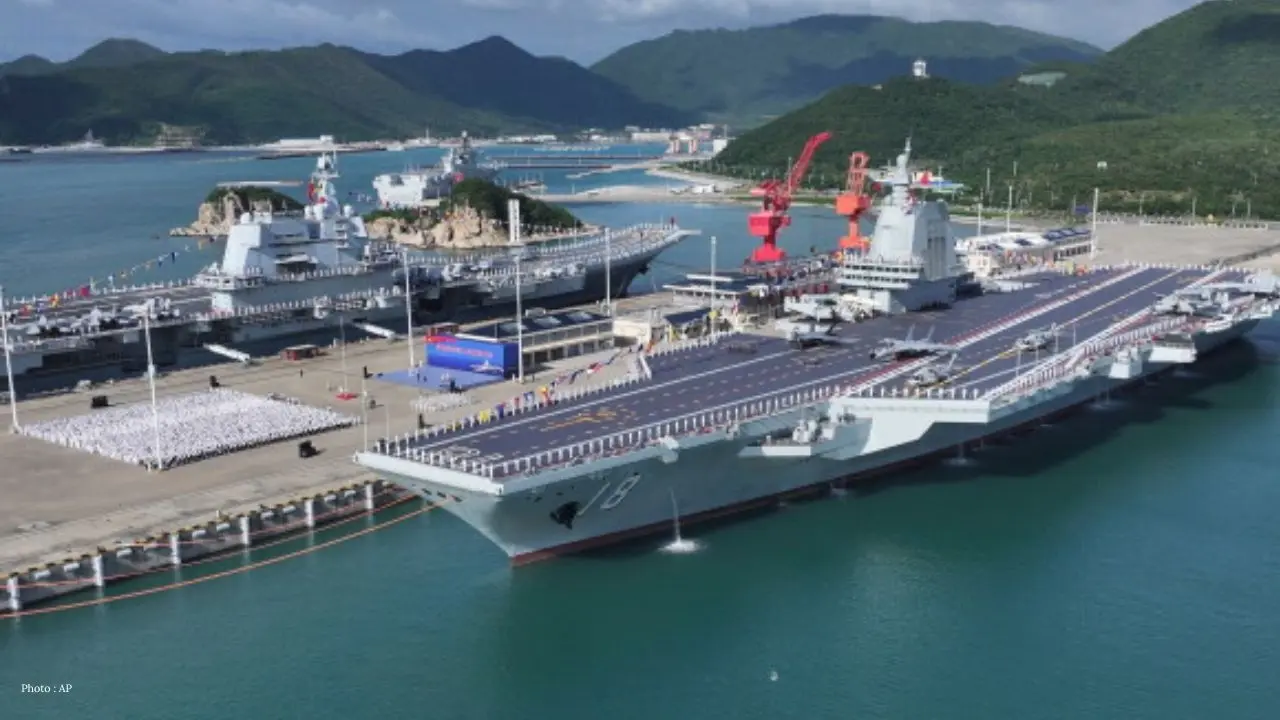
President Donald Trump has announced that the United States will end its naval blockade operations in the Strait of Hormuz, a strategic waterway that serves as one of the world's most important routes for global energy shipments. The announcement marks a significant change in U.S. military activity in the region and comes amid ongoing efforts to reduce tensions in the Middle East.
The Strait of Hormuz is a narrow passage connecting the Persian Gulf to international waters and is used by a large portion of the world's oil and natural gas exports. Because of its importance to global energy markets, any military activity or disruption in the area often attracts international attention and can affect oil prices around the world.
Speaking about the decision, President Trump said the United States had achieved its immediate security objectives and that maintaining the naval blockade was no longer necessary. The administration argued that regional conditions had improved and that the move would help reduce the risk of further military escalation while supporting freedom of navigation for commercial shipping.
U.S. officials stated that American naval forces will continue to monitor the region and remain prepared to respond to any threats against international shipping routes. However, they emphasized that the end of blockade operations does not mean a complete withdrawal of U.S. military presence from the area. American warships and military assets are expected to continue conducting routine security and surveillance missions in cooperation with regional allies.
The announcement has drawn mixed reactions from international observers. Supporters of the decision argue that reducing military pressure could help ease tensions and encourage diplomatic engagement among countries in the region. They believe that maintaining open communication and avoiding direct confrontation are important steps toward long-term stability in the Gulf.
At the same time, some security analysts have raised concerns about the potential impact of the decision on regional security. Critics argue that continued vigilance will be necessary to ensure the safety of commercial vessels traveling through the Strait of Hormuz, which remains a critical route for global trade and energy supplies.
Energy markets are also closely watching developments following the announcement. Any changes affecting the Strait of Hormuz can influence global oil prices because a significant share of international crude oil exports passes through the waterway each day. Market analysts say traders will continue monitoring the security situation and the response from regional governments.
The Trump administration has described the move as part of a broader strategy focused on balancing military readiness with diplomatic efforts. Officials maintain that the United States remains committed to protecting international shipping and supporting regional stability while avoiding unnecessary military confrontations.
As governments and international organizations assess the implications of the announcement, the end of U.S. naval blockade operations is expected to remain a major topic in discussions about Middle East security, global energy markets, and American foreign policy in the months ahead.