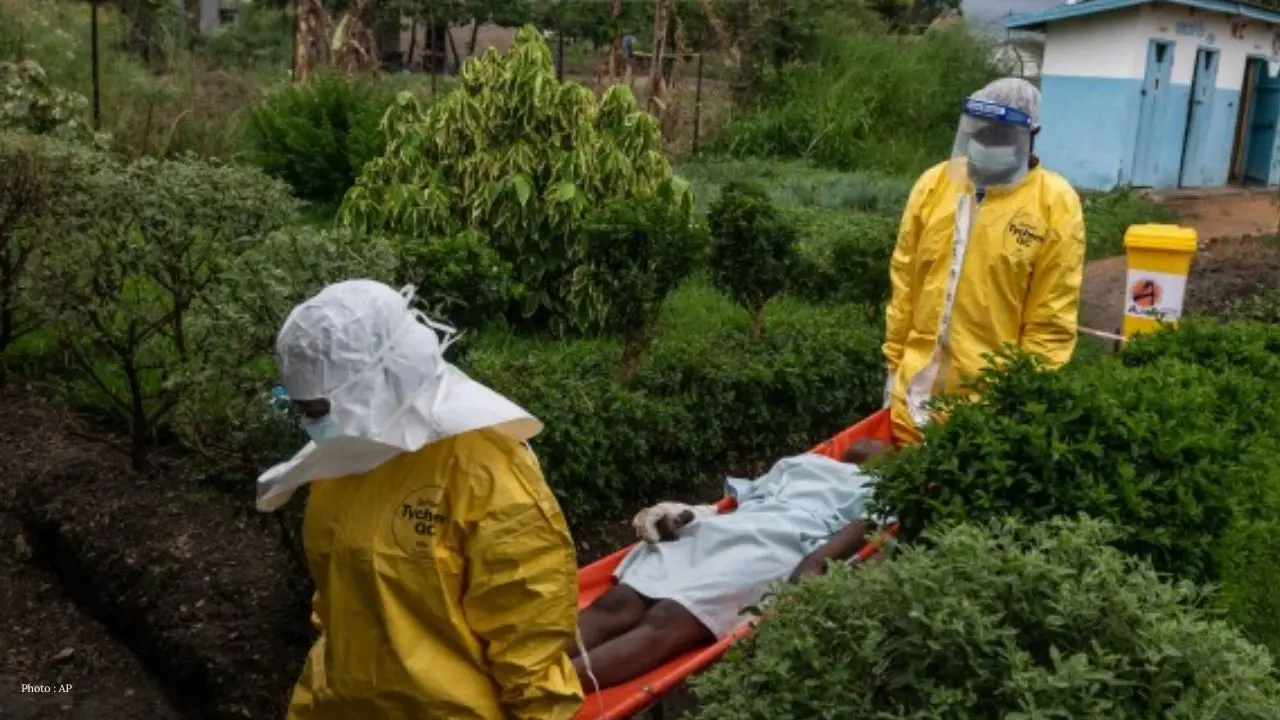
Medical aid organization Doctors Without Borders (MSF) has significantly expanded its emergency response efforts in the Democratic Republic of the Congo (DRC) as health authorities battle a rapidly evolving Ebola outbreak. The latest developments have raised concerns among healthcare workers and international organizations, prompting urgent action to prevent further spread of the deadly disease.
According to MSF, the outbreak has developed quickly, requiring additional medical teams, treatment facilities, and disease surveillance measures in affected areas. Healthcare workers are working closely with local authorities and international partners to identify new cases, trace contacts, and provide treatment to infected patients. The organization said rapid intervention is critical to preventing the outbreak from expanding into more communities.
Ebola is a severe and often fatal disease that spreads through direct contact with the bodily fluids of infected individuals or contaminated materials. Symptoms typically include fever, fatigue, muscle pain, vomiting, diarrhea, and, in severe cases, internal and external bleeding. Early detection and immediate medical care can significantly improve survival rates and reduce transmission risks.
MSF officials reported that response teams have been deployed to support local healthcare facilities that are facing growing pressure as case numbers increase. Additional resources are being used to strengthen laboratory testing, improve patient isolation procedures, and ensure healthcare workers have access to protective equipment. Community outreach programs are also being expanded to educate residents about symptoms, prevention methods, and the importance of seeking medical care quickly.
Health experts warn that containing Ebola outbreaks can be particularly challenging in remote regions where access to healthcare services is limited. Population movement, transportation difficulties, and public mistrust of health authorities can complicate efforts to identify and isolate cases. As a result, organizations involved in the response are focusing heavily on community engagement and awareness campaigns.
The Democratic Republic of the Congo has experienced multiple Ebola outbreaks over the past several decades and has developed significant experience in managing the disease. However, officials stress that each outbreak presents unique challenges that require a rapid and coordinated response. Vaccination programs, contact tracing, and public health education remain key tools in limiting the spread of the virus.
International health agencies continue to monitor the situation closely. Experts emphasize that while Ebola poses a serious threat in affected regions, strong public health measures can successfully contain outbreaks when implemented quickly and effectively. The support provided by MSF and other humanitarian organizations is expected to play an important role in strengthening the response effort.
As authorities continue working to control the outbreak, healthcare teams remain focused on preventing additional infections and protecting vulnerable communities. The coming weeks are expected to be critical in determining how effectively the disease can be contained and whether further international assistance will be required.