Significance of Lohri
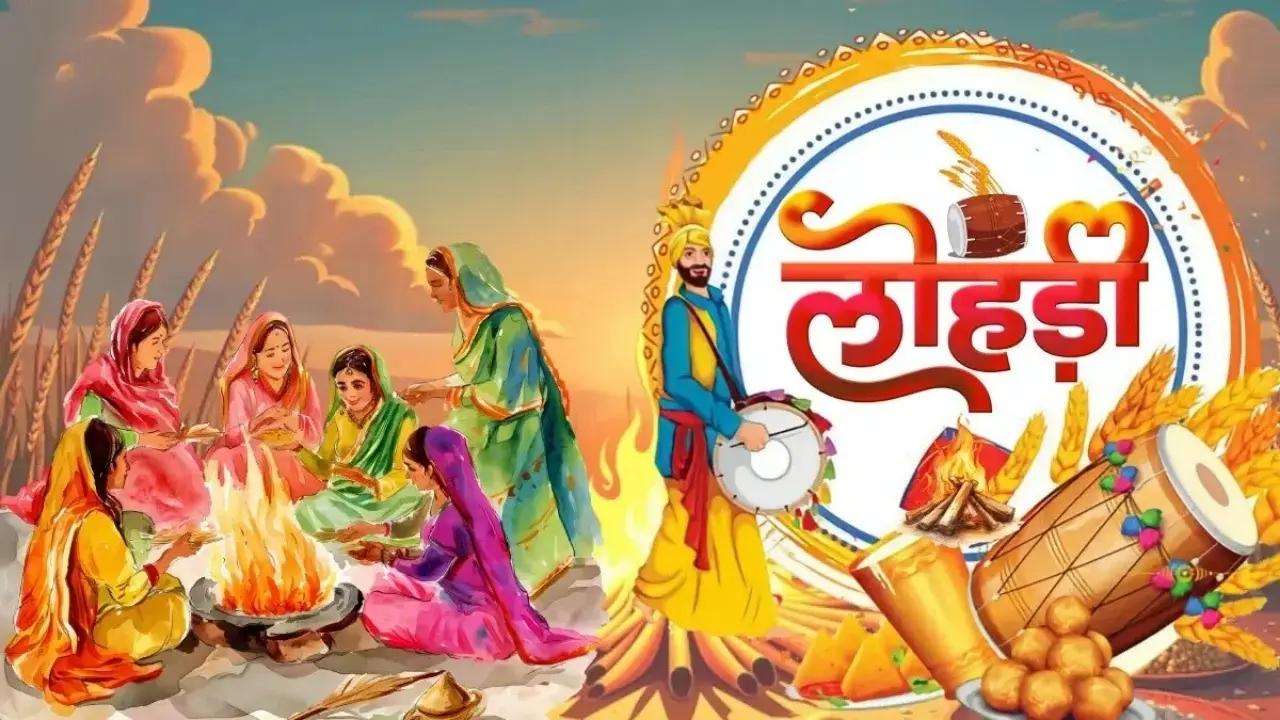
Lohri transcends seasonal festivities; it embodies community bonds, resilience, and gratitude. Originating from the agricultural land of North India, the festival signifies a pivotal moment as winter recedes and the anticipation of brighter days begins. In 2026, Lohri will once again ignite warmth, with firelight dispelling the winter gloom and reinforcing communal connections through shared rituals.
This festival intertwines with the natural and agricultural cycles, symbolizing hopes tied to the land. For centuries, farmers have viewed Lohri as a beacon of hope, acknowledging hard work and faith invested in nature. Its essence encompasses courage, fertility, and the deep-seated connection among humanity, seasons, and memory. As urban lifestyles evolve, Lohri retains its emotional significance, proving that traditions can flourish while adapting.
Celebration Date for Lohri 2026
When Will Lohri Be Celebrated?
Lohri is celebrated on January 13 each year, coinciding with the eve of Makar Sankranti. In 2026, it will be observed on Tuesday, January 13, with celebrations traditionally commencing after sunset. Families gather around bonfires to signify the changing seasons.
This evening holds significance, aligning with the sun's ascent to the northern hemisphere, symbolizing longer days, agricultural hope, and positive energy. Lohri occupies a unique intersection of astronomy, agriculture, and culture.
Fixed Date Phenomenon of Lohri
Unlike many Indian festivals based on lunar cycles, Lohri follows the solar calendar. This fixed timeline underscores its strong connection to nature and seasonal changes. The set date of Lohri reinforces its identity as a seasonal marker, intrinsically linked to climate, crops, and rural life.
Historical Foundations of Lohri
Agricultural Roots
Lohri's origins are firmly planted in agrarian tradition, marking the time for sowing rabi crops like wheat. Farmers have historically celebrated the festival to honor their work during winter months while fostering hopes for a bountiful harvest ahead.
This festival is not merely a pause for rest but an acknowledgment of the profound connection between human effort and natural cycles. Over time, the agricultural themes of gratitude have expanded into broader cultural celebrations, reaching urban centers.
Folklore: The Legend of Dulla Bhatti
One of the festival's most cherished tales is that of Dulla Bhatti, a folk hero known for his bravery and generosity. Traditional Lohri songs recount his stories of defiance against injustice and support for the underserved. These narratives, passed down through generations, ensure that the values of courage and compassion remain integral to the celebration.
The Bonfire: Lohri's Heartbeat
Symbolism of the Sacred Flame
At the core of Lohri lies the bonfire, symbolizing warmth, purification, and the sun's life-giving essence. Lighting the bonfire symbolizes releasing negativity and fear accumulated during winter, paving the way for growth and prosperity.
Gathered in a circle around the fire, participants embody unity and equality, reinforcing Lohri's message of shared humanity.
Traditional Bonfire Rituals
Offerings of sesame seeds, jaggery, peanuts, popcorn, and rewri are tossed into the fire as symbols of gratitude and hope. Families often walk around the bonfire while singing folk songs or offering silent prayers, creating a reflective yet joyous atmosphere.
Celebrating with Songs, Music, and Dance
Folk Songs: A Cultural Chronicle
Songs play an essential role in Lohri celebrations. Sung collectively, they narrate tales of heroism, seasonal shifts, and community life, serving as a living repository of regional culture.
The rhythm and community engagement in these songs evoke a sense of belonging, bridging participants to the generations who reveled in Lohri long before them.
Dance: Joyful Expression
Bhangra and Gidda dances invigorate the Lohri nights. Performed around the bonfire, these dances showcase strength and celebration, inviting active participation rather than passive observation.
Traditional Foods and Their Symbolism
Seasonal Delicacies
The culinary offerings during Lohri reflect simplicity and seasonal significance. Dishes like makki di roti, sarson da saag, gajak, rewri, peanuts, and popcorn resonate with the agricultural landscape. They symbolize nourishment and warmth, linking physical sustenance to cultural narratives.
Community-Centric Sharing
Food during Lohri fosters communal ties. Sharing sweets and snacks embodies the idea that prosperity thrives on sharing, turning individual celebrations into collective joy.
Lohri, Family, and New Life
New Beginnings
Lohri is particularly significant for newlyweds and families welcoming newborns. The festival serves as a communal acknowledgment of fresh beginnings, intertwining personal joy with community blessings.
These milestones underscore Lohri’s essence as a celebration of continuity, where personal achievements are embraced within the societal fold.
Passing on Traditions
For children, Lohri often introduces them to cultural practices, music, and storytelling. Engaging in local traditions fosters natural absorption of cultural wisdom, ensuring its passage through personal experience.
Lohri 2026 in Modern Times
Urban Transformations
In urban settings, Lohri has adapted to modern surroundings, such as apartments and community centers. Despite smaller bonfires and organized festivities, the spirit of togetherness remains strong.
Urban celebrations illustrate that traditions can transition while preserving emotional and cultural values.
Digital Age Celebrations
Technology enriches the Lohri experience. Virtual greetings, video calls, and online sharing allow loved ones, even those far apart, to connect with the festival's spirit, expanding Lohri's reach without compromising its essence.
Eco-Conscious Celebrations
Shifting Towards Sustainability
Increasing environmental awareness has inspired more responsible observances of Lohri. Smaller bonfires and materials sourced sustainably align celebration with ecological mindfulness.
This change signifies a growing understanding that valuing traditions includes respecting nature.
Focusing on Meaning
Modern Lohri celebrations increasingly prioritize tradition, family connection, and gratitude over excess. This movement towards simplicity fortifies the festival's core values and emotional resonance.
Conclusion: A Living Tradition
Lohri 2026 serves as a reminder that festivals reflect shared values, going beyond mere calendar dates. Rooted in respect for nature, labor, and community, Lohri continues to connect generations across changing eras. As bonfires illuminate the night, Lohri affirms faith in renewal, warmth, and unity, illustrating that true tradition thrives in continued meaning.
Disclaimer:
This article aims to provide cultural insights. Variations in Lohri customs may exist across regions and communities.