Photo:AP
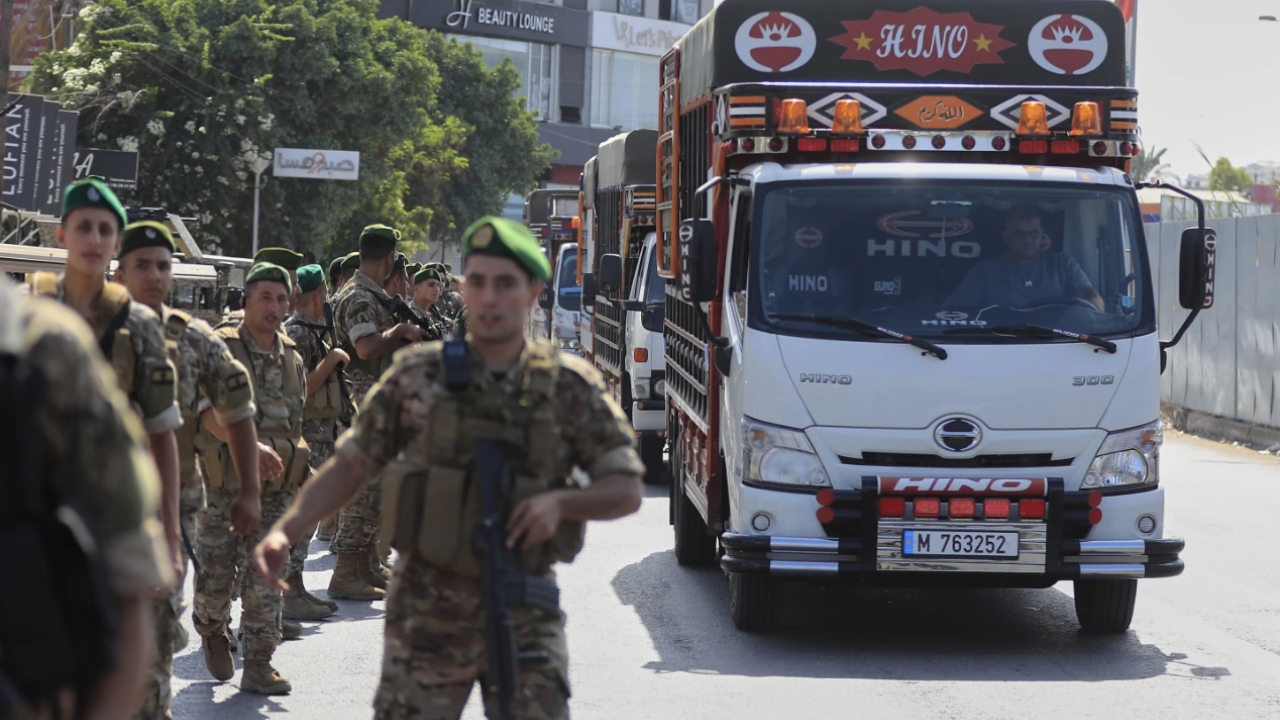
Lebanon has once again stepped into the global spotlight as its army prepares for a series of what officials call “sensitive missions.” These moves come at a time when the United States is pushing hard for a plan to reduce, and possibly disarm, Hezbollah’s military strength. The issue is far from a simple one—it touches on questions of sovereignty, security, foreign influence, and Lebanon’s fragile political balance.
The Lebanese Army, widely seen as a unifying institution in a divided country, now faces one of its most delicate tests in years. Its actions could redefine the nation’s security structure, but also risk intensifying internal tensions in a country already struggling with political deadlock and economic crisis.
The Roots of the Debate
Hezbollah has long been a central force in Lebanese politics. Founded in the 1980s during the Israeli occupation of southern Lebanon, the group has built a reputation as both a resistance movement and a political power. Over the decades, it has grown stronger, developing a formidable military wing alongside its political presence in parliament.
Supporters of Hezbollah argue that its weapons are essential for the defense of Lebanon, particularly against Israel. They point to the 2006 war with Israel as evidence of why the group’s armed capability remains crucial.
On the other hand, critics argue that a state cannot function if an armed group operates outside government control. They warn that Hezbollah’s independent arsenal undermines Lebanon’s sovereignty and limits international support at a time the country desperately needs financial aid and stability. This is where the United States, along with some Western partners, has stepped in to pressure Beirut to integrate all weapons under state command—specifically under the Lebanese Army.
The Army’s Delicate Role
The Lebanese Army is widely respected by citizens for its neutrality and professionalism. Unlike most political institutions, it is seen as a national body that belongs to all Lebanese, not just one sect or party. This is why the idea of disarmament is being tied so closely to the army’s actions: the military is viewed as the only institution capable of overseeing such a process.
However, the army’s position is extremely fragile. On one side, it faces international pressure from the US and others calling for greater steps toward disarmament. On the other, it risks internal backlash from Hezbollah and its supporters who would view such actions as a direct confrontation. Any wrong step could spark unrest on the streets or even fuel instability in areas where the group has strong control.
US Pressure and Lebanon’s Dilemma
The United States sees Hezbollah not just as a Lebanese actor but as part of a larger regional challenge linked to Iran. Washington’s strategy has been to weaken Hezbollah’s armed influence by strengthening the Lebanese Army. This explains the millions of dollars in US military aid sent to Lebanon over the years.
But Lebanon is caught in the middle. Its leadership understands that cooperation with the US brings much-needed international support. Yet, moving too aggressively against Hezbollah carries domestic risks that could shatter the fragile peace between Lebanon’s different sectarian groups. The government is left with a painful choice: lean toward Western support or maintain internal balance at home.
Public Opinion and National Security
The Lebanese people themselves are divided on this issue. Many are tired of living in a country where foreign powers, militias, and political groups often pull the strings more than the state itself. For this group, strengthening the Lebanese Army and centralizing military power is the path toward long-term stability.
However, others, particularly in Hezbollah strongholds, worry that disarmament would leave Lebanon weak in the face of Israeli threats. They fear that once Hezbollah’s weapons are reduced, Lebanon will rely solely on international promises that may not protect the country in times of crisis.
This split in public opinion shows why the issue is so complex—it is not just about weapons, but about the identity and security of the Lebanese state itself.
The Road Ahead: Challenges and Choices
As the Lebanese Army prepares for its sensitive missions, the outcome remains uncertain. There are three main challenges ahead:
-
Maintaining Stability at Home – The biggest risk is domestic unrest. Any move seen as targeting Hezbollah directly could ignite clashes or protests.
-
Balancing International Relations – Lebanon cannot afford to ignore pressure from the US and international community, as economic and military aid are vital for the struggling state.
-
Defining National Sovereignty – Ultimately, Lebanon must answer a central question: Can the state truly be sovereign if non-state groups hold independent weapons? Or is Lebanon’s unique reality different, requiring compromise rather than confrontation?