Photo:AFP
Every great city has a place that carries its memory, its soul, and its collective story. For Istanbul, the Haydarpaşa Train Station is one such landmark. Rising proudly by the Bosphorus since 1908, with its stone façade, clock tower, and grand design, the station has stood as more than just a point of departure or arrival. It has been a gateway to the city, a bridge between East and West, and an emotional landmark for millions of ordinary people.
But today, Haydarpaşa faces a troubling uncertainty. Train services stopped years ago. Government plans, vague and shifting, hint at transforming the terminal into cultural and commercial spaces. Critics, however, fear that the site could fall into the hands of private developers, drained of its public spirit and rebranded as yet another luxury hub serving tourism over community.
This has sparked public anger because the debate is not just about bricks and mortar—it is about who owns the memory of a city, and who decides its future.
The Symbol of a Century
When Haydarpaşa was built at the dawn of the 20th century, the Ottoman Empire wanted a link that would show progress and connection with Europe’s modern railway networks. German architects Otto Ritter and Helmuth Cuno designed the station with grandeur, and it quickly became a monument of ambition. For decades, trains left Haydarpaşa carrying workers, students, soldiers, and dreamers toward Anatolia, Syria, and even beyond.
Generations of Turks have their stories tied to this building—farewells, reunions, tears, and celebrations. For many, the sight of the station on the water’s edge is inseparable from their personal history. That is why any threat to its future is felt like a threat to memory itself.
Why the Anger?
The public anger comes from mistrust, based on years of development in Istanbul where cultural sites became commercial projects. Critics point to examples of historic spaces turned into shopping malls, luxury hotels, and private complexes that restrict public access. Citizens fear the same fate for Haydarpaşa.
Adding fuel to the fire is the lack of clear information. Officials have not provided a transparent plan of what exactly the station will be used for. Some statements refer to conferences, museums, and exhibitions; others leave room for restaurants, retail, and leisure complexes. This uncertainty makes people suspect that profit, not preservation, could drive the project.
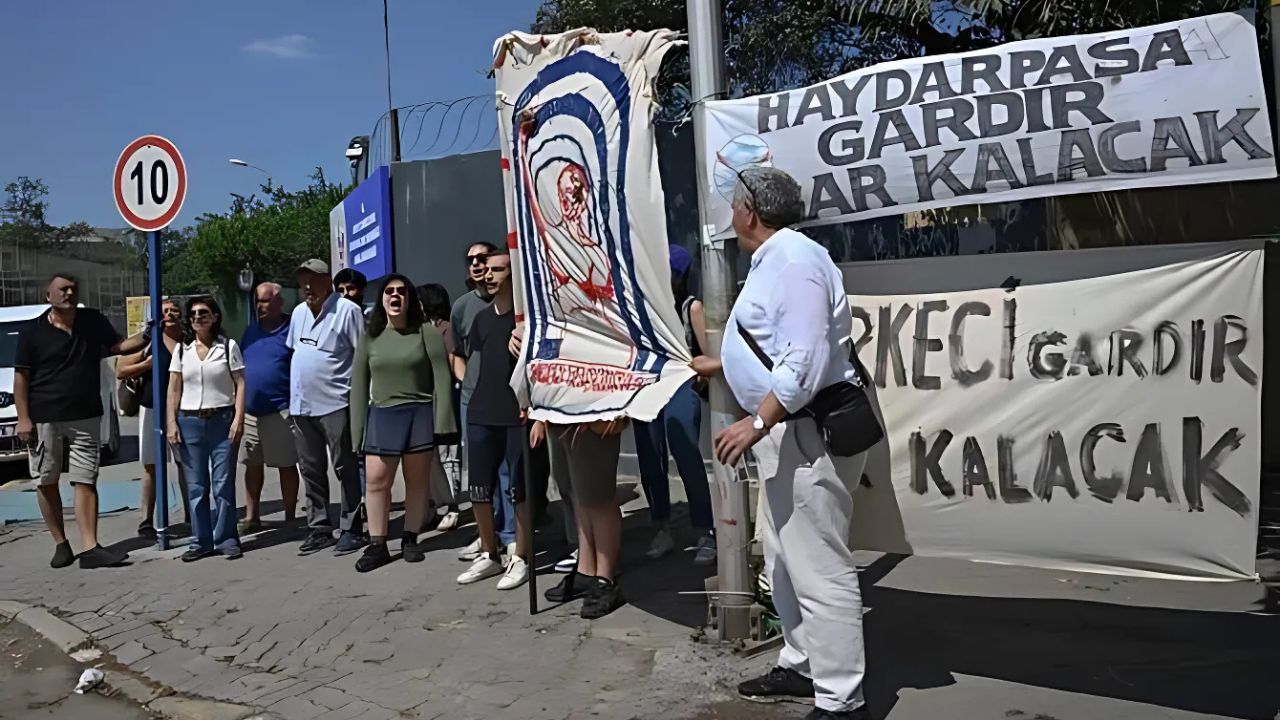
Activists argue that Haydarpaşa is “the people’s station.” They march, gather signatures, and stage protests around it. Their demand is simple: restore it for public service—whether as a transport hub or as a cultural site free from commercial exploitation.
Development vs. Heritage: A Wider Problem
The debate around Haydarpaşa reflects a challenge faced not just by Istanbul, but by rapidly developing global cities everywhere. How do you balance modernization with respect for heritage? Cities like Paris, London, and Rome have also faced this question, and often public pressure has been essential in stopping commercial misuse of iconic locations.
For Istanbul, the stakes are higher, because the city’s heritage is deeply layered. It is one of the world’s few cities straddling two continents, with Byzantine, Ottoman, and modern eras woven into its fabric. Losing a site like Haydarpaşa to luxury rebranding would mean breaking this delicate balance.
What the Station Deserves
The best path forward should rest on three principles:
-
Respect for history – The building must be preserved and restored to highlight its authentic design and role in Turkish history.
-
Public access – It should remain open to citizens and not become a gated luxury zone that only tourists or the wealthy can enjoy.
-
Meaningful function – Whether as a cultural center, a museum of transport, or a revived train terminal, it must serve a purpose beyond profit.
This does not mean Haydarpaşa needs to be frozen in the past. It can be modernized and used creatively. But modernization must not erase memory.
A City’s Test of Identity
The fight for Haydarpaşa is, at its heart, a fight for Istanbul’s identity. Does the city value its historical landmarks as living heritage, or as real estate waiting to be monetized? The answer will shape not just one station, but the future image of a city that has always been a crossroads of cultures.
Istanbul has already lost significant cultural sites to rapid, profit-driven urban projects. Each loss makes the city a little poorer in spirit, even if richer in concrete. Haydarpaşa is a line in the sand. Citizens are saying: “Not this one. Not here. Not our station.”