Tensions between the United States and Iran have increased again after Iranian officials warned that renewed conflict with Washington is now “likely” following President Donald Trump’s rejection of Tehran’s latest proposal for negotiations. The worsening situation comes despite recent ceasefire efforts and ongoing diplomatic talks aimed at reducing military tensions in the Middle East.
According to reports, Iran recently submitted a new proposal through Pakistani mediators in an effort to restart negotiations and move toward ending the ongoing confrontation with the United States. The proposal reportedly included discussions about reopening the Strait of Hormuz, reducing military tensions, and continuing talks about Iran’s nuclear activities in exchange for sanctions relief. However, Trump publicly stated that he was “not satisfied” with the proposal and said Iran was demanding conditions the United States could not accept.
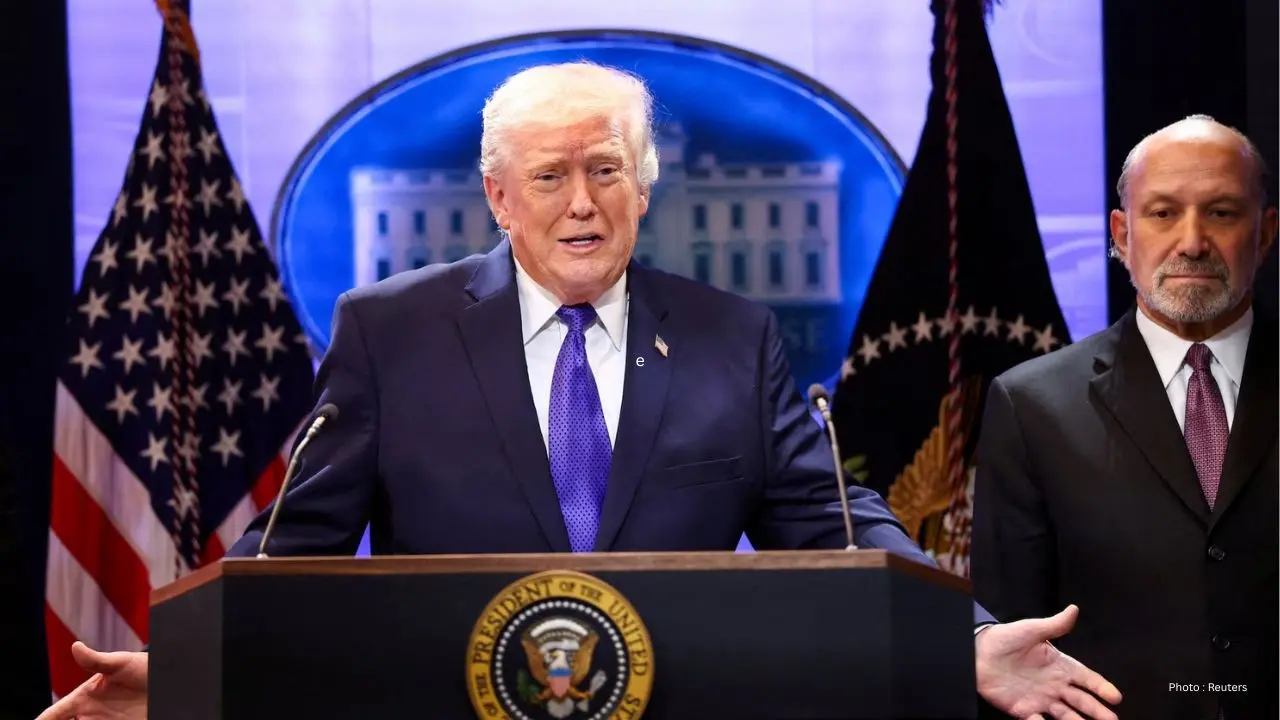
Speaking to reporters at the White House, Trump said Iran’s leadership appeared divided and accused Tehran of making unreasonable demands during negotiations. He also warned that the United States would not end the confrontation without guarantees related to Iran’s nuclear program and regional activities. Trump added that military options remain available if diplomacy fails.
Iranian officials responded strongly after Trump’s comments. A senior Iranian military official reportedly warned that another round of war with the United States was “likely” if Washington continued what Tehran described as aggressive pressure tactics and military threats. Iranian leaders also criticized the ongoing US naval blockade around the Strait of Hormuz, calling it a major violation of international rights and regional stability.
The conflict between the two countries has remained tense since the ceasefire announced in early April after weeks of military strikes, missile attacks, and naval operations in the Gulf region. Although active fighting decreased following the ceasefire, both countries continue accusing each other of violating agreements and refusing meaningful compromises.
One of the biggest disagreements remains Iran’s nuclear program. The Trump administration insists Iran must permanently stop uranium enrichment and accept strict international monitoring before sanctions can be lifted. Iran, however, says it has the right to peaceful nuclear development and refuses to accept conditions it considers harmful to national sovereignty.
The Strait of Hormuz has also become a major issue in the crisis. Iran previously disrupted shipping routes through the strategic waterway, which handles a large share of global oil exports. The United States responded with naval operations and warnings to international shipping companies. Analysts say continued tensions around Hormuz could affect global energy markets and increase fuel prices worldwide.
Political pressure is also increasing inside the United States. Critics in Congress questioned Trump’s handling of the conflict and accused the administration of lacking a clear long-term strategy. Several lawmakers argued that continued military involvement without formal congressional approval could create legal and constitutional problems under the War Powers Resolution.
International observers fear the situation could return to open conflict if diplomatic efforts fail again. Regional powers, including Pakistan and Gulf countries, are continuing backchannel discussions in hopes of preventing another major escalation. However, experts say trust between Washington and Tehran remains extremely weak, making negotiations very difficult.
As military tensions continue and negotiations remain stalled, uncertainty across the Middle East is growing once again. Analysts warn that any new confrontation between the United States and Iran could have major consequences for regional security, global oil markets, and international diplomacy in the coming months.