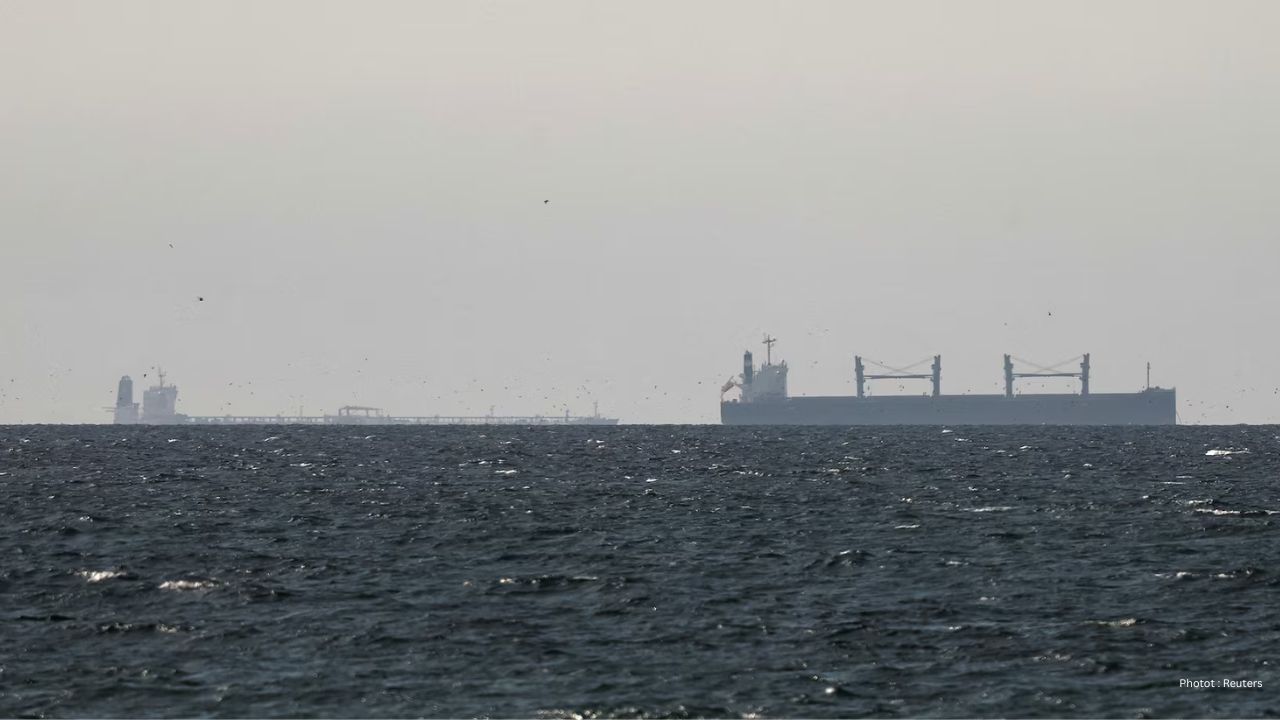
The Strait of Hormuz has become a major focus of global concern after rising tensions between United States, Israel, and Iran. The situation escalated after conflict began in late February 2026, leading to disruptions in one of the world’s most important energy routes. This narrow waterway connects the Persian Gulf to the Gulf of Oman and is critical for global oil supply. According to energy experts, the disruption has already caused one of the most serious supply shocks in recent history.
As tensions continue, analysts suggest three main scenarios that could shape the future of the crisis. These include regional military action, a coordinated international operation led by the United States, and a diplomatic solution through negotiations. Among these, Pakistan is emerging as a key mediator due to its ability to communicate with both Washington and Tehran.
The first scenario involves regional countries, mainly Gulf states and their allies, taking military action on their own to reopen the strait. This could happen if economic losses increase or diplomatic efforts fail. However, experts believe this option is risky because these countries may not have enough military capability to handle Iran’s advanced defensive strategies. There is also a high risk of escalation, as Iran could respond by targeting oil facilities and major cities in the region. Such a move could quickly turn into a larger conflict.
The second scenario includes a joint military operation led by the United States, with support from regional allies. In this case, Gulf countries would provide military bases and political backing while the U.S. leads operations to restore safe navigation. This approach is based on “coercive diplomacy,” where limited force is used to pressure an opponent without starting a full-scale war. However, this option also carries risks. Differences between allies, especially concerns from Israel about negotiations with Iran, could weaken unity within the coalition. In this situation, Pakistan’s role would shift from direct mediation to maintaining communication channels between both sides.
The third and most likely scenario is a prolonged standoff, where Iran continues to control access to the strait while using it as leverage in negotiations. This strategy allows Iran to apply pressure without fully closing the route to all countries. Recent actions, such as allowing selected countries like China, India, and Pakistan to pass through, suggest a controlled and strategic approach. By doing this, Iran signals its power while keeping room for negotiation.
In this scenario, Pakistan plays a crucial role as a mediator. Ongoing talks through diplomatic channels could lead to a phased agreement, where partial reopening of the strait is linked to easing of sanctions. Such a solution may also involve international monitoring to ensure stability and safe passage.
Overall, the situation in the Strait of Hormuz remains complex and uncertain. While military options are still possible, they carry high risks of escalation and wider conflict. Diplomatic efforts, especially those involving Pakistan, offer a more stable path forward. The final outcome will depend on how global powers balance military pressure with negotiation efforts in the coming weeks.