Ukraine’s recent drone attacks on Russian oil infrastructure have introduced a complex layer to the conflict, spotlighting significant environmental threats and economic implications. These strikes reflect a tactical shift, aiming not just at military assets but also at vital energy resources.
In the past few weeks, multiple oil-related sites within Russia have come under fire from long-range drone operations. These facilities are critical to Russia’s economy, heavily relying on oil exports for revenue. By targeting them, Ukraine seeks to undermine Russia’s financial capabilities essential for its military actions.
While the extent of economic repercussions remains uncertain, Russia is still exporting substantial volumes of oil. Rising global prices have somewhat cushioned its revenue flow, dampening the immediate fiscal pressure Ukraine hoped to impose through these assaults.
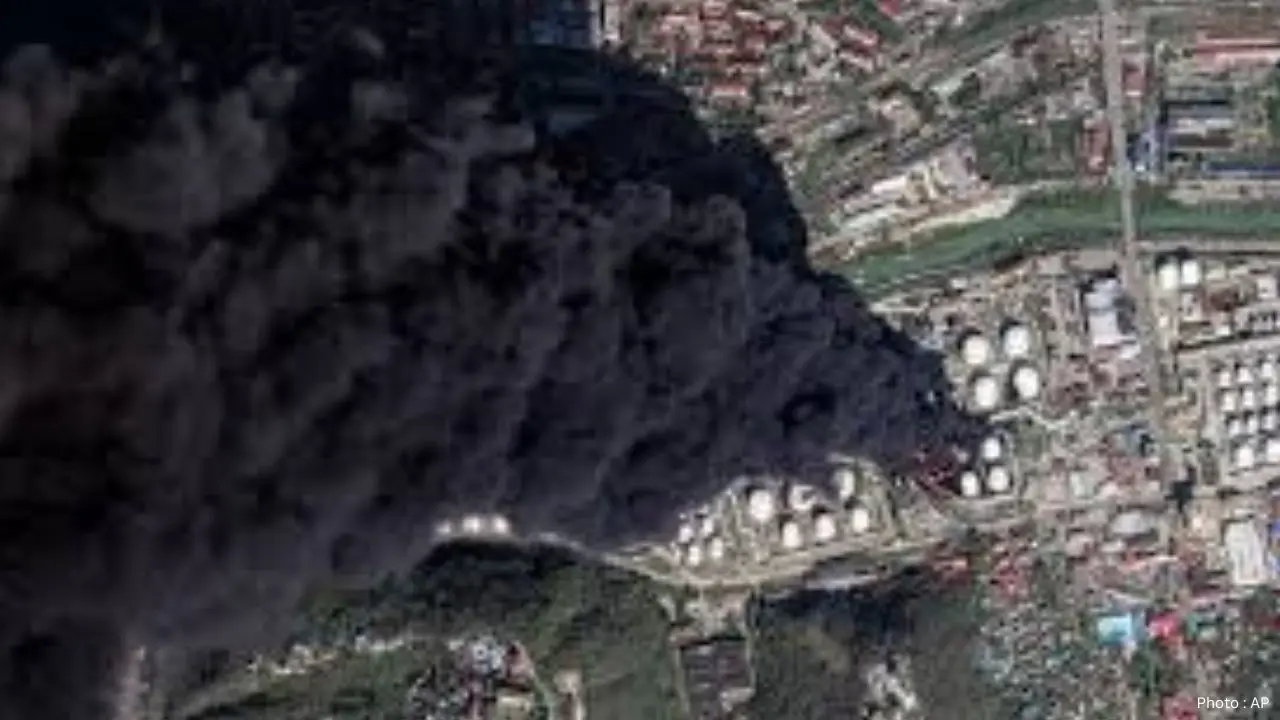
Concerningly, the environmental fallout from such attacks is escalating. Fires at oil facilities have generated significant smoke, affecting air quality in surrounding communities. Additionally, instances of oil spills have tainted land and water sources, posing long-lasting challenges for residents and wildlife alike. The recovery from these ecological impacts may take years.
Local sources indicate that ongoing drone strikes have exacerbated conditions in impacted regions, with worsening air quality and increased pollution levels. Farmers and fishing communities are now facing repercussions due to degradation of soil and water supplies, highlighting the extensive ramifications of this conflict beyond the battlefield.
The rise of drone warfare signifies a transformation in how conflicts are waged. These high-tech devices allow for precise strikes deep within enemy territory, compelling Russia to bolster its defense strategies, thus stretching its military capabilities.
In retaliation, Russia continues its attacks against Ukrainian cities and vital infrastructure, escalating tensions and endangering civilian lives on both sides.
The impacts of these drone strikes extend into global energy markets, where disruptions in oil production and distribution can lead to fluctuations in supply and pricing. This uncertainty poses challenges for nations reliant on steady energy resources.
Long-term environmental consequences loom large, with oil leaks, hazardous emissions, and disrupted ecosystems threatening to impair regions for extended periods. Even if the conflict resolves, these issues may persist, affecting both public health and ecological balance.
This situation unveils a significant shift in military strategies, where economic resources are becoming prime targets alongside traditional military positions. While this approach may yield temporary advantages, it potentially invites greater long-term risks for both nations and the global landscape.
The drone assaults on oil infrastructure illustrate the evolving nature of the conflict, signifying its growing complexity and wider-reaching implications. As events unfold, their effects are bound to resonate beyond the two countries involved, impacting global markets and environmental health.