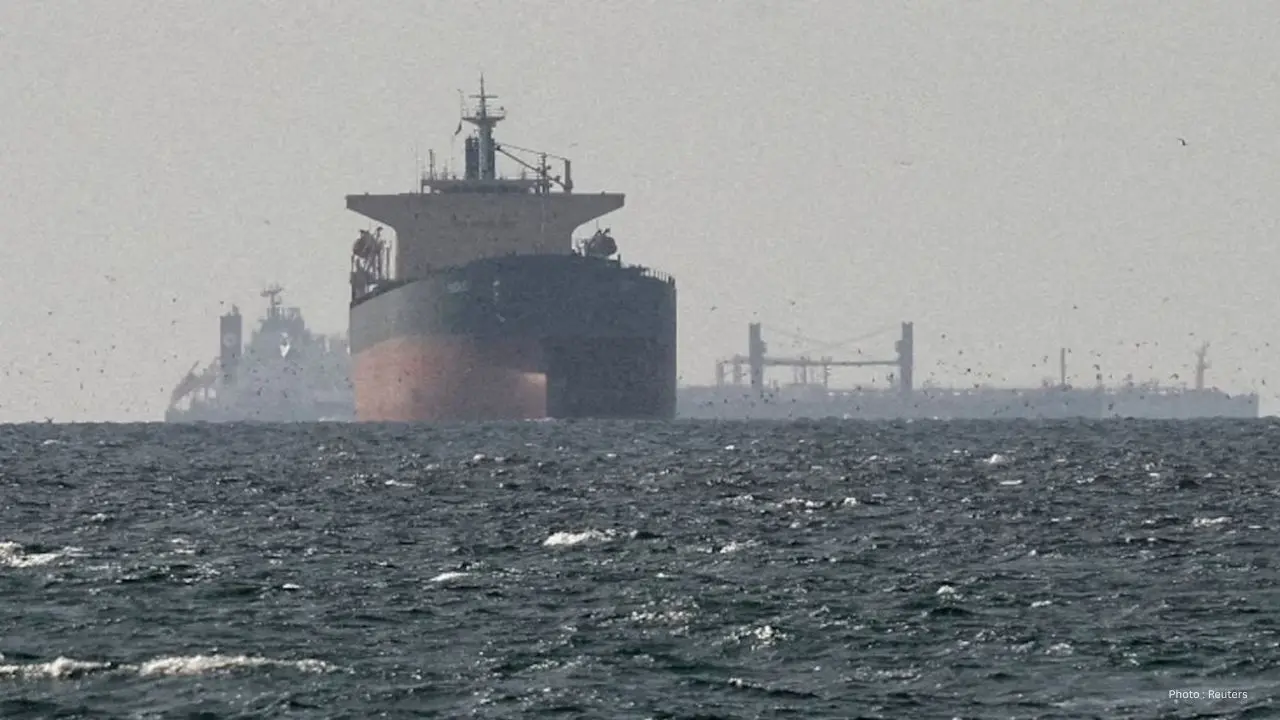
Iran is steadily increasing its control over the Strait of Hormuz, one of the world’s most important oil shipping routes, creating growing concern among global energy markets and Western governments. The Strait of Hormuz connects the Persian Gulf to the Gulf of Oman and the Arabian Sea, and nearly 20 percent of the world’s oil supply normally passes through this narrow waterway. Any disruption in the region can directly affect global fuel prices, shipping costs, and international trade.
According to recent reports and security analysts, Iran has introduced a stricter system for ships travelling through the strait. Commercial vessels are now reportedly required to seek approval from Iranian authorities before crossing certain areas. The process includes submitting cargo details, crew information, and voyage plans for inspection. Analysts say the Islamic Revolutionary Guard Corps (IRGC) has taken a major role in monitoring and controlling ship movement in the region.
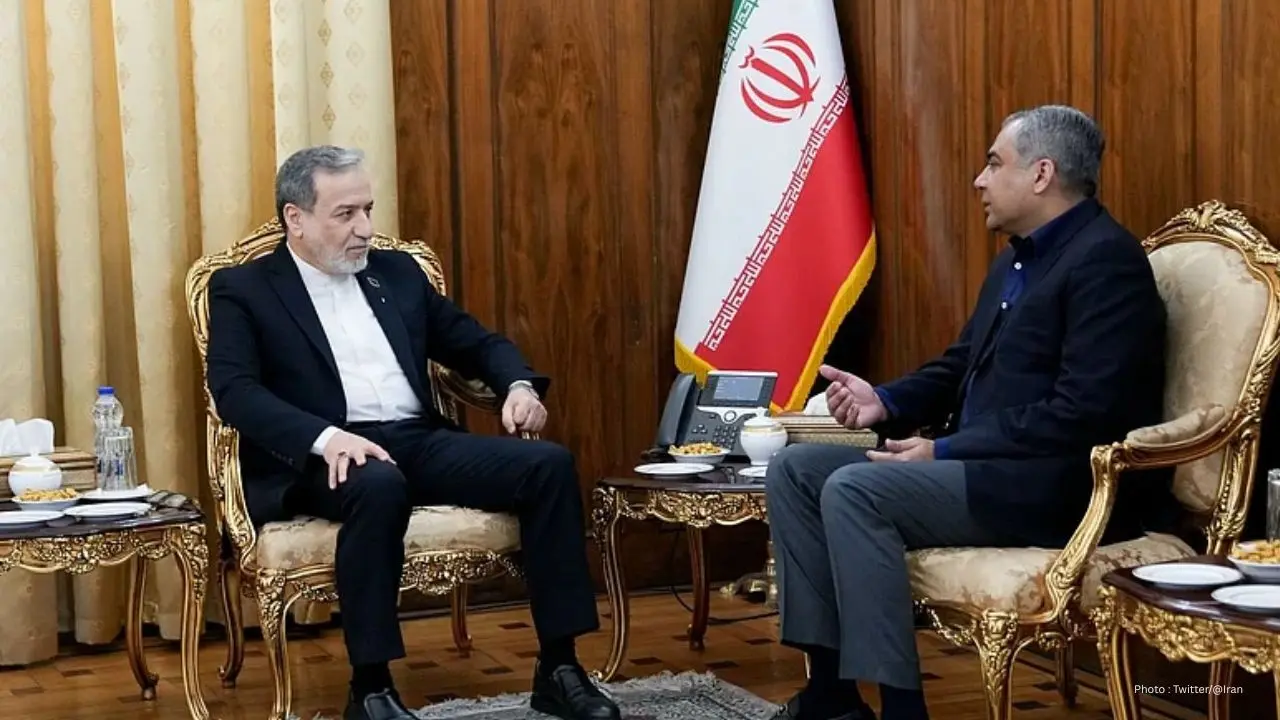
Iran has also reportedly created a new organization called the “Persian Gulf Strait Authority” to manage shipping traffic and issue transit permissions. Experts say this move is aimed at formalizing Iran’s influence over the waterway and strengthening its bargaining power during ongoing regional tensions with the United States and its allies. Shipping companies and governments are becoming increasingly worried that Tehran is slowly turning the strait into a controlled corridor rather than an open international passage.
Reports suggest that some ships linked to countries maintaining strong diplomatic ties with Iran, including China, Russia, India, and Pakistan, are receiving easier access through the route. Other vessels may face delays, inspections, or additional charges before being allowed to pass. Reuters reported that some shipping operators have even paid large unofficial “fees” to secure safe passage through the strait. Iran, however, describes these measures as security-related procedures meant to protect regional waters during ongoing military tensions.
The tightening control comes after months of rising conflict in the Middle East, including military tensions involving Iran, Israel, and the United States. Iran has repeatedly warned that foreign military activity near its coastline threatens regional security. In response, Tehran has increased naval patrols, inspections, and surveillance operations around the strait. Experts say Iran is using geography as a strategic tool to pressure Western countries while protecting its own interests in the Gulf region.
The impact on global trade and energy markets has already become visible. Oil shipments through the Strait of Hormuz have slowed sharply in recent months, while shipping insurance rates and transportation costs have increased. Energy analysts warn that if tensions continue, fuel prices around the world could rise further. Some Gulf countries, including the United Arab Emirates, are trying to reduce dependence on the strait by expanding alternative oil export pipelines outside the Gulf region.
Security experts also say the current situation shows how difficult it is for global powers to guarantee safe shipping through the waterway. Even with military escorts from the United States and allied navies, many commercial shipping companies remain reluctant to send vessels through the area because of risks linked to drones, naval mines, missile attacks, and inspections by Iranian forces.
The Strait of Hormuz has long been considered one of the world’s most sensitive geopolitical chokepoints. Iran’s growing control over the route is now being viewed as both a military strategy and an economic pressure tool. As diplomatic negotiations continue between Iran and Western countries, the future of global oil flows through the strait remains uncertain, keeping international markets and governments on alert.