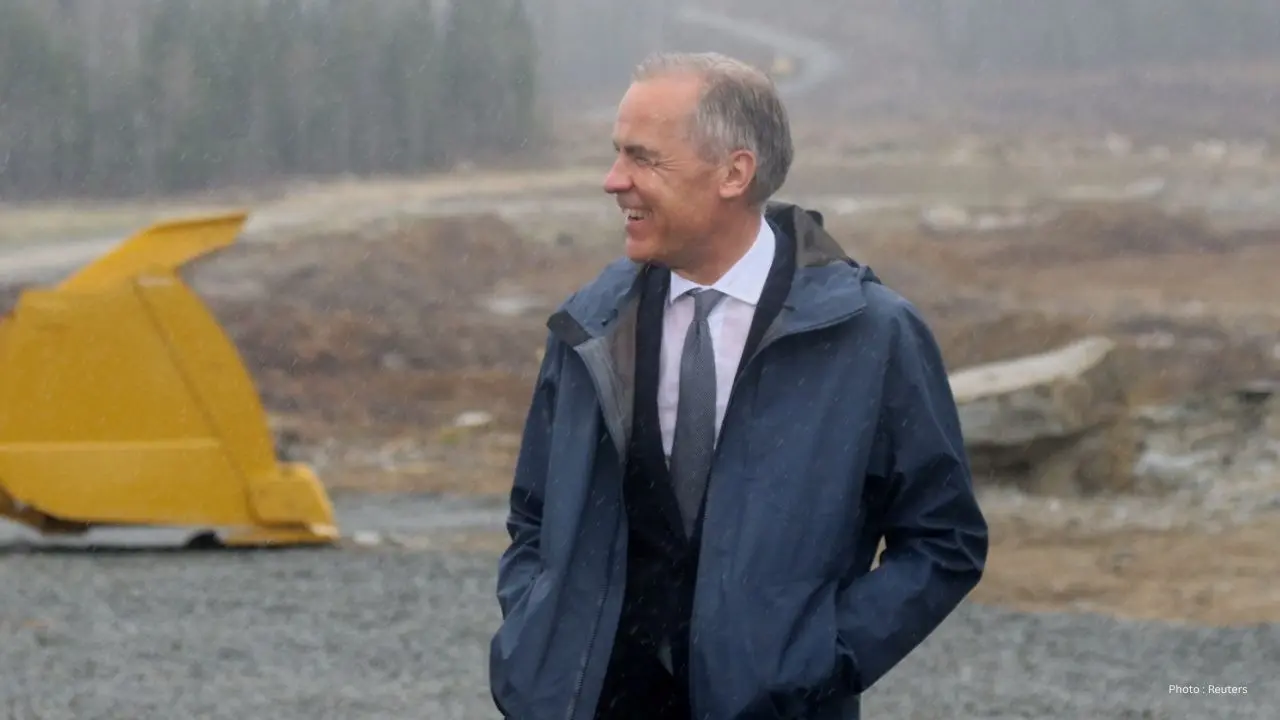
Canadian Prime Minister Mark Carney is facing growing criticism from climate activists and environmental groups who say his recent political decisions do not match the strong climate image many people expected from him. Carney, a former central banker and well-known supporter of green finance policies, built an international reputation over the years as a major voice pushing governments and businesses toward cleaner energy and climate action. However, some of his latest economic and energy policies have raised questions about how far his government is willing to go on climate issues.
Before entering politics, Carney was widely respected in global climate discussions. He previously served as Governor of the Bank of England and promoted financial reforms aimed at reducing climate-related economic risks. He also worked closely with international organizations and business leaders to encourage investment in renewable energy and sustainable industries. Because of this background, many environmental supporters expected him to lead one of Canada’s most aggressive climate-focused governments.
However, critics say Carney’s recent actions as prime minister show a more balanced approach that also protects Canada’s powerful oil and gas industry. Canada remains one of the world’s largest oil producers, and the energy sector plays a major role in the country’s economy, especially in provinces like Alberta. Carney’s government has continued supporting certain energy projects and has avoided introducing some of the stricter climate policies demanded by environmental groups.
One of the biggest criticisms involves pipeline expansion and fossil fuel production. Environmental activists argue that Canada cannot meet long-term climate goals while continuing to approve major oil and gas developments. Some critics also say Carney has focused more on economic stability and energy security than rapid climate transition, especially during a period of global energy uncertainty and rising fuel prices.
Supporters of Carney, however, argue that the situation is more complicated. They say Canada must balance environmental goals with economic realities, including jobs, trade, and energy demand. Government officials have defended Carney’s policies by pointing to investments in clean technology, electric vehicle industries, renewable energy projects, and emissions reduction programs. The administration says it remains committed to Canada’s net-zero emissions targets while also protecting economic growth.
The debate around Carney’s climate image has become more intense as countries around the world face increasing pressure to cut emissions faster. Climate organizations are demanding stronger action from major economies, including Canada, especially after recent reports linked rising global temperatures to more extreme weather events, wildfires, floods, and droughts.
Political analysts say Carney is now facing the difficult challenge of managing both climate expectations and economic pressures. While many Canadians still see him as a leader with strong environmental credentials, others believe his policies show that even climate-focused governments struggle to move away from fossil fuels quickly.
The discussion surrounding Carney’s leadership reflects a larger global debate about how governments should balance climate action, energy security, and economic stability. As Canada moves forward with its climate plans, environmental groups and industry leaders will continue closely watching whether Carney delivers stronger action or maintains a more moderate path.