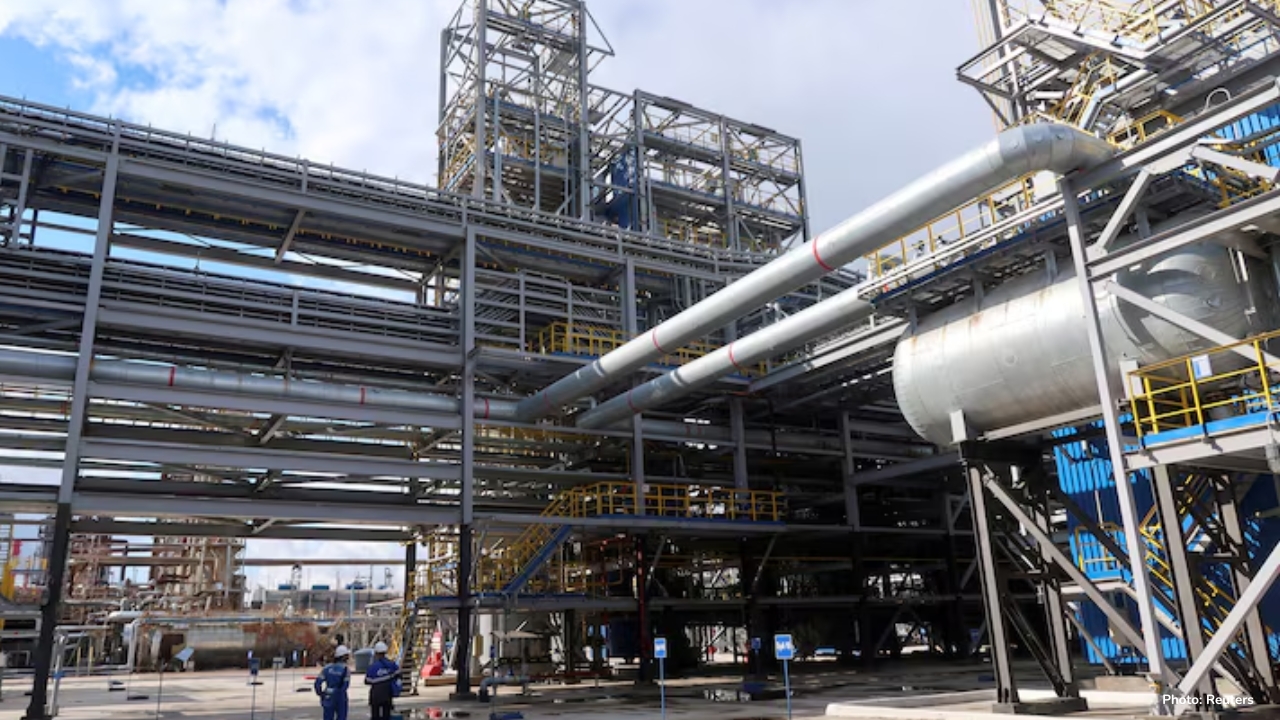
In 2025, the conflict between Ukraine and Russia continues to influence global energy markets. Recently, Ukraine has increased its drone and missile strikes targeting Russian energy infrastructure, including oil refineries, petrochemical complexes, and export terminals. These strikes have caused significant disruptions to Russia's ability to produce and export oil, which is a critical source of revenue for the country.
Key Targets of the Strikes
One of the main targets of Ukraine’s attacks is the Salavat petrochemical complex in Russia. This facility produces gasoline, diesel, and other petroleum products, which are important for domestic use and export. Another key target is the port of Novorossiisk on the Black Sea. This port serves as a major hub for shipping Russian oil to international markets.
The strikes have also affected pipelines and storage facilities, which has limited Russia’s ability to transport and sell fuel. Analysts estimate that the attacks have disrupted a large portion of Russia’s diesel production, a fuel widely used in trucks, ships, and industry.
Russia’s Response
In response to these attacks, Russia has taken several measures to stabilize its domestic fuel market. The government has extended an existing gasoline export ban and imposed a partial ban on diesel exports until the end of the year. These measures aim to ensure that domestic fuel supplies remain sufficient despite production disruptions.
However, limiting exports also has economic consequences. Russia relies on oil exports as a major source of income, and reducing shipments can affect the country’s economy. The government faces a delicate balance between protecting domestic fuel availability and maintaining revenue from exports.
Impact on Global Oil Markets
Ukraine’s strikes and Russia’s export bans have ripple effects on the global oil market. International fuel prices, especially diesel, have risen sharply due to concerns about reduced supply from Russia. Countries that rely on Russian oil imports are facing higher costs, which can increase transportation and industrial expenses.
Europe, in particular, is affected. Many European countries import Russian diesel and gasoline to meet energy demand. The partial export ban and ongoing attacks on Russian infrastructure have created uncertainty about future supply. This has led some countries to seek alternative sources of fuel, including shipments from the Middle East, the United States, and other oil-producing nations.
U.S. President Donald Trump’s Dilemma
The situation presents a complex challenge for U.S. policymakers, including former President Donald Trump, who remains influential in American politics. Trump has publicly supported Ukraine’s right to defend itself against Russian aggression. However, he is also concerned about rising global fuel prices and their potential impact on the U.S. economy.
Higher fuel prices can lead to increased costs for transportation, goods, and services. This can contribute to inflation, which affects household budgets and the overall economy. With the 2026 U.S. presidential election approaching, Trump and other political leaders are aware of the potential economic consequences of prolonged disruptions to global fuel supplies.
Balancing Support for Ukraine and Domestic Interests
The U.S. and other Western nations face a delicate balancing act. On one hand, supporting Ukraine’s efforts to defend its territory is a key foreign policy priority. Ukraine’s success in striking Russian energy infrastructure weakens Russia’s economic and military capabilities, which can help shorten the conflict.
On the other hand, Western nations must consider their own economic interests. Rising fuel prices affect households, businesses, and national economies. Governments must manage the impact on energy costs while continuing to provide support to Ukraine. This includes military aid, financial assistance, and diplomatic backing.
Economic and Political Implications
The disruption to Russian oil exports has broader economic and political implications. For Russia, reduced oil revenue can affect government budgets, social programs, and military spending. A prolonged decline in oil income may force the Russian government to adjust economic policies or seek alternative revenue sources.
For global markets, uncertainty about Russian oil supply increases volatility. Traders and investors are closely watching developments in Ukraine and Russia to assess how fuel prices may change. Higher energy costs can affect inflation, interest rates, and economic growth worldwide.
Impact on Diesel Supply
Diesel is particularly important because it fuels trucks, ships, and industrial machinery. The partial export ban on Russian diesel has created shortages in some regions, especially in Europe and parts of Asia. Companies that rely on diesel for transportation are facing higher costs, which can be passed on to consumers through more expensive goods and services.
This situation highlights how interconnected the global energy market is. A conflict in one region can have wide-reaching effects, impacting businesses and households thousands of miles away.
Future Prospects for Ukrainian Strikes
Ukraine has demonstrated that it can carry out precise attacks on critical infrastructure using drones and missiles. Analysts believe that Ukraine may continue to target Russian energy facilities to weaken Russia’s economy and military capabilities.
The success of these strikes could influence the outcome of the conflict. By limiting Russia’s ability to generate revenue from oil exports, Ukraine increases pressure on the Russian government. However, continued attacks also raise the risk of retaliation, escalation, and further disruption to global energy markets.
International Response
The international community is closely monitoring the situation. European nations are exploring alternative fuel sources and building strategic reserves to reduce reliance on Russian diesel. Countries in Asia and the Middle East are also adjusting trade and shipping strategies to account for supply disruptions.
Western governments are providing financial, military, and technical support to Ukraine. At the same time, they are seeking ways to stabilize energy markets and prevent sharp increases in fuel costs. The situation requires careful coordination among allies to balance geopolitical objectives with domestic economic stability.
Ukraine’s strikes on Russian oil infrastructure have created a significant impact on global energy markets. By targeting key facilities like the Salavat petrochemical complex and the Black Sea port of Novorossiisk, Ukraine has reduced Russia’s ability to produce and export fuel. In response, Russia has imposed a partial ban on diesel exports and extended a gasoline export ban.
These actions have led to rising fuel prices globally, creating economic challenges for countries dependent on Russian oil. The situation presents a dilemma for political leaders, including U.S. President Donald Trump, who must weigh support for Ukraine against the potential domestic economic impact.
The conflict illustrates the complex relationship between war, energy supply, and global markets. Decisions made by Ukraine, Russia, and Western nations will continue to influence fuel prices, trade flows, and economic stability around the world. As the conflict progresses, governments and companies must navigate these challenges carefully to ensure both political and economic objectives are met.
Ukraine’s strategic strikes on Russian energy infrastructure are highly effective and have far-reaching consequences. They highlight the importance of energy in modern conflicts and the interconnected nature of global economies. The world is watching closely as Ukraine continues to press its advantage, Russia manages its domestic needs, and other nations balance geopolitical support with economic realities.