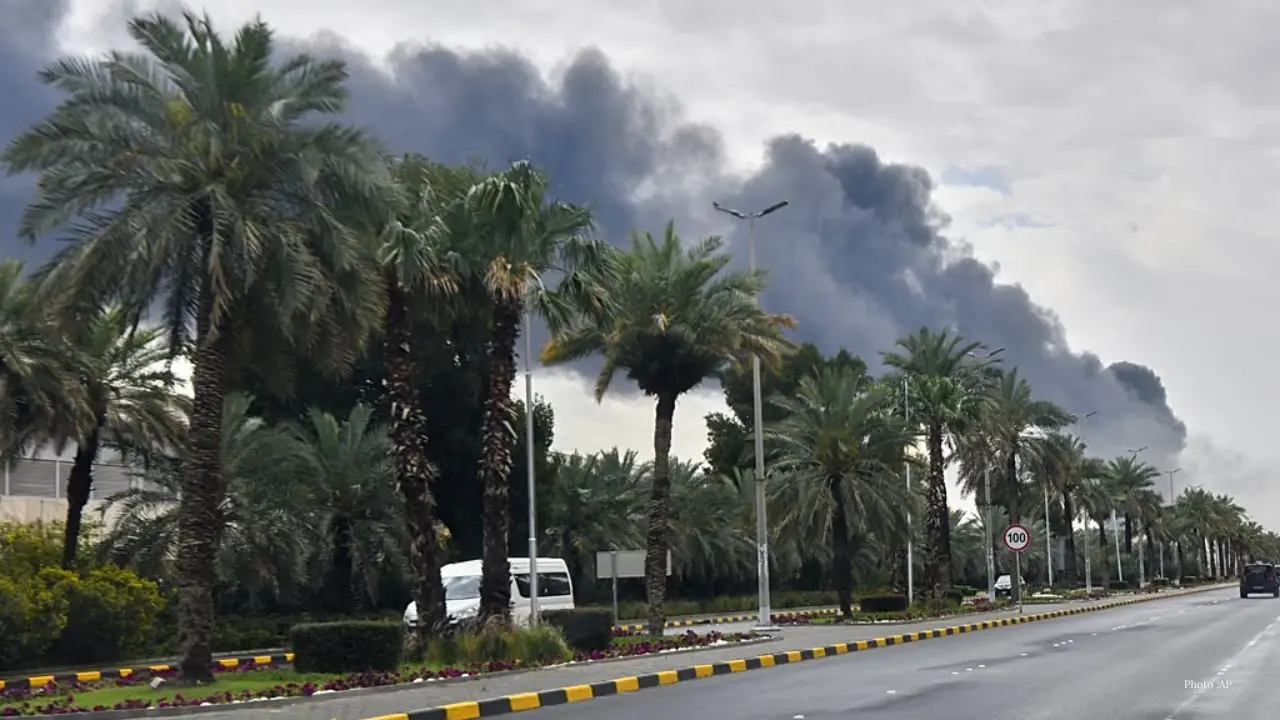
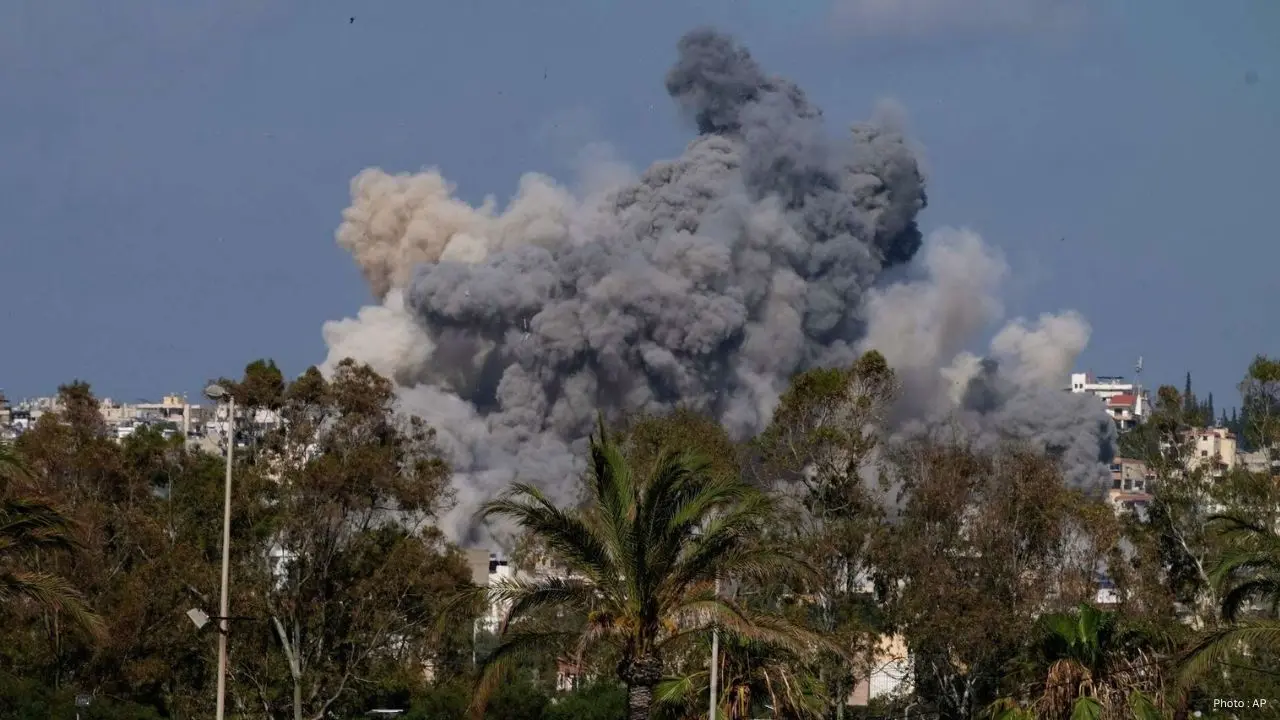
A major Iranian drone and missile attack struck Kuwait International Airport early Wednesday, causing significant damage to airport facilities, injuring several people, and forcing authorities to temporarily suspend and divert commercial flights. The attack marks one of the most serious incidents in the Gulf region in recent months and highlights the growing tensions between Iran and the United States.
According to Kuwait's General Civil Aviation Authority, the attack heavily damaged the airport's Terminal 1 building, one of the country's main passenger terminals. Emergency teams were immediately deployed to the site, while airport officials activated crisis-response procedures to ensure passenger safety. Flights were redirected to alternative airports before limited operations gradually resumed after security assessments.
Kuwaiti authorities described the attack as a serious act of aggression and confirmed that multiple people suffered injuries. Reports indicated that parts of the terminal building sustained severe structural damage, while nearby facilities were also affected by the explosions and falling debris. The attack disrupted travel schedules and created concern among travelers and airlines operating in the region.
The strike came shortly after a new military confrontation between Iran and the United States. American officials said US forces carried out strikes against military targets on Iran's Qeshm Island after intercepting several Iranian missiles and drones. Washington stated that the operation was conducted in response to threats against US personnel, regional allies, and commercial shipping routes in the Gulf.
Iran, meanwhile, launched missile and drone attacks targeting locations associated with US military operations in the region. In addition to Kuwait, missiles aimed at Bahrain were intercepted by US and Bahraini air defense systems. The latest exchange of attacks has raised fears that the fragile ceasefire and diplomatic efforts seen in recent weeks could completely collapse.
Security analysts warn that the situation is becoming increasingly dangerous because critical civilian infrastructure is now being affected. Kuwait International Airport serves as one of the Gulf region's important transportation hubs, connecting millions of passengers each year. Any prolonged disruption could affect regional travel, trade, and economic activity. The attack has also increased concerns about the safety of civilian facilities during military confrontations.
The incident has drawn international attention because it occurred amid ongoing disputes over maritime security, sanctions, and regional military operations. Several governments have urged restraint and called for renewed diplomatic efforts to prevent a wider conflict. Energy markets are also closely watching developments, as further escalation could threaten shipping routes and oil supplies passing through the Gulf region.
For now, Kuwait remains on high alert as authorities assess the full extent of the damage and strengthen security measures. The latest attack demonstrates how quickly tensions between Iran and the United States can spill across the region, affecting neighboring countries and civilian infrastructure. With both sides continuing military operations and diplomatic talks facing uncertainty, concerns are growing that the Gulf could be entering a new and more dangerous phase of instability.