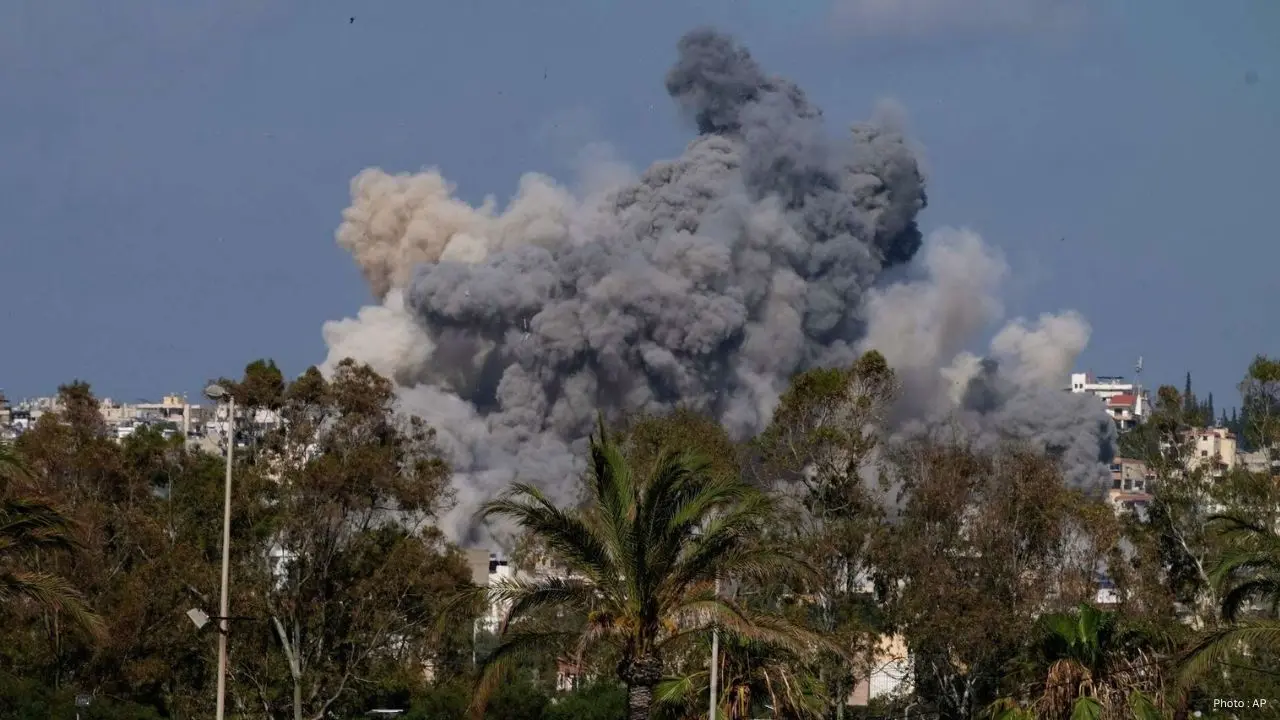
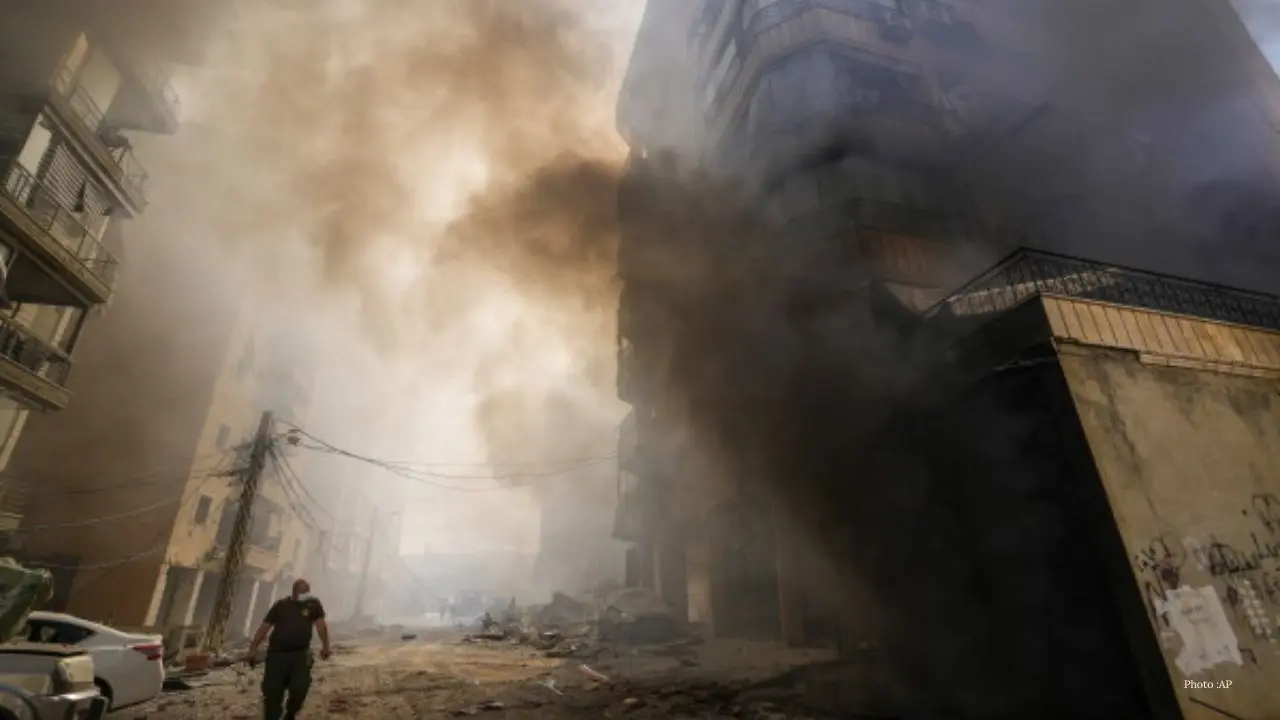
New strikes in southern Lebanon have intensified fears regarding escalating tensions between Israel and Hezbollah, exacerbating an already delicate security scenario along the border. Both factions remain on high alert amid ongoing cross-border incidents.
The recent attack reportedly impacted areas near Tyre, among others, which have been embroiled in military clashes in recent months. Their geographic significance and presence of armed groups magnify their vulnerability.
Hezbollah, a significant armed and political entity in Lebanon, has long-standing hostilities with Israel, resulting in periodic skirmishes primarily triggered by border incidents or broader regional conflicts.
In recent times, both parties have executed a series of attacks and retorts, amplifying concerns that minor confrontations might escalate into a larger conflict if diplomatic measures do not de-escalate tensions.
Southern Lebanon remains a pivotal point in the broader Middle Eastern conflict landscape. Its political sensitivity and geographical characteristics make it a recurrent site of military engagement, leaving local civilians grappling with uncertainties arising from sudden violence.
This latest event has also impacted areas near Beirut, affecting key routes and suburbs crucial for transportation and trade, thereby risking economic and social repercussions in a country already struggling with political and financial woes.
Despite repeated calls from the Lebanese government for tranquility and international intervention to minimize further hostilities, a lack of control over militias and regional rivalries continue to thwart stabilization efforts.
Israel has reiterated that its military actions target potential threats and aim to prevent incursions near its northern frontier. These strikes usually provoke retaliatory actions from Hezbollah, perpetuating a cycle of violence that maintains regional anxiety.
The humanitarian fallout is profound, with local populations in southern Lebanon facing risks of displacement, infrastructure ruin, and significant disruptions to everyday life. Increased violence can impede schools, businesses, and transport systems.
International observers warn that escalating tensions may lead to a broader regional instability. Diplomatic initiatives are under way, but progress remains hindered by deep political divides and security concerns in the area.
The situation underscores the persistent impact unresolved conflicts have on regional peace. Without ongoing dialogue and trust-building actions, even minor disputes could escalate into considerable confrontations.
The recent assault serves as yet another poignant reminder of the precarious balance in the region. Although neither faction seems poised for full-scale war, the repeated acts of aggression raise the chances of miscalculations that could result in dire implications.
The coming weeks will be pivotal as stakeholders continue to observe whether diplomatic efforts will succeed in alleviating tensions or whether the cycle of strikes will persist.