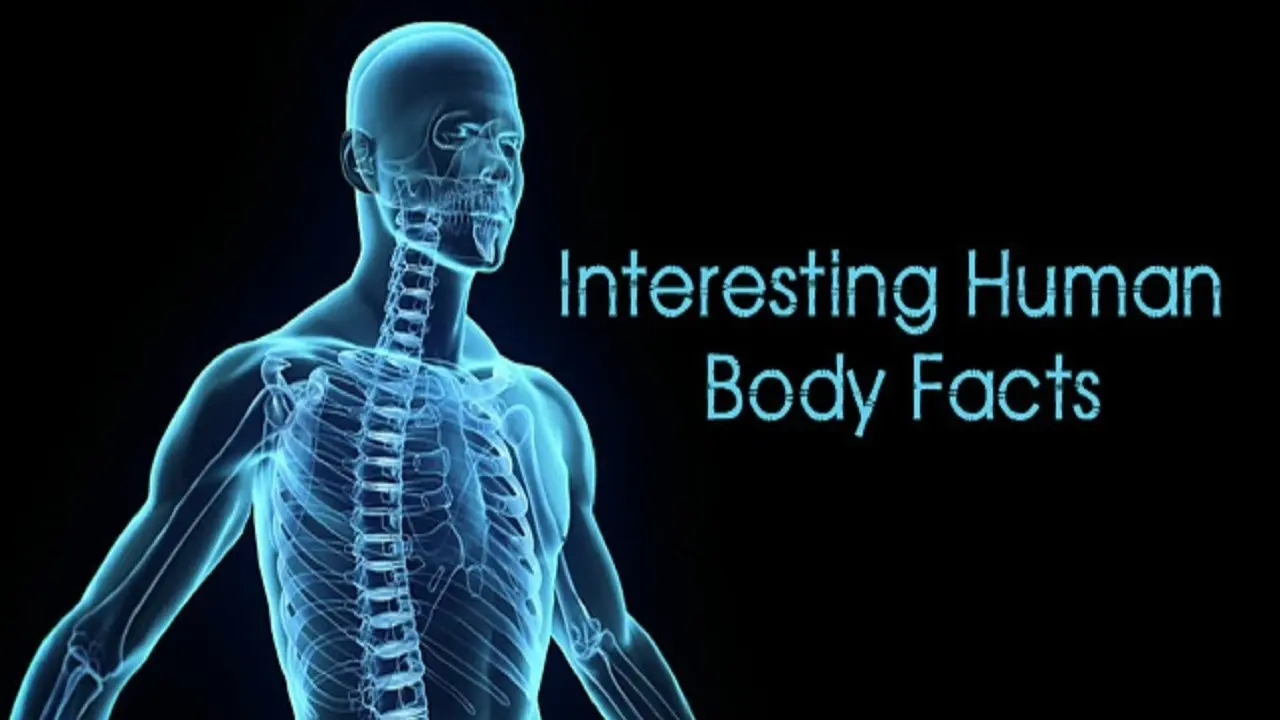
The Human Body's Astonishing Complexity
Despite our daily interaction with our bodies, most people are unaware of how fascinatingly intricate they truly are. Basic school lessons and routine health advice often oversimplify the intricacies of our biological systems, masking the remarkable realities hidden beneath.
Rather than being just mechanical entities, our bodies are dynamic systems capable of self-regulation and adaptation influenced by a myriad of factors including our environment and experiences. Many biological functions work in silence, manifesting phenomena that seem as if pulled from a sci-fi narrative.
Below are ten remarkable facts about the human body that, while they may sound unbelievable, are indeed factual.
1. Neuroplasticity: The Brain's Ability to Change
For years, it was thought that the brain's structural changes ceased after early childhood. This belief has now been upended, revealing that through neuroplasticity, the brain can adapt and rewiring continues throughout life.
Engaging in new learning experiences or recovering from injuries prompts the reorganization of neural pathways, allowing even older adults to forge new connections based on their experiences.
Astoundingly, these changes mean that our thoughts can alter the actual structure of our brains.
2. The Stomach’s Remarkable Regeneration
The stomach, a powerful producer of acid capable of dissolving metal, astonishingly does not harm itself. This remarkable capability is due to its ability to renew its lining every three to five days through specialized cell regeneration.
If this regenerative process were to slow down, the acid could damage the stomach tissue, highlighting the priority the body places on self-preservation.
3. The Invisible Glow of Humans
Though invisible to the human eye, the body emits a faint light due to biochemical reactions in cells. This phenomenon arouses curiosity, with ultra-weak photon emissions occurring during energy generation within our metabolism.
While we cannot perceive this glow, advanced imaging tools can capture it, affirming that humans possess an imperceptible luminescence.
4. Bone's Incredible Strength
Contrary to their fragile appearance, bone is pound-for-pound stronger than steel. A matchbox-sized piece of bone can theoretically support a heavyweight.
The incredible strength is attributed to an intricate internal structure that balances rigidity with flexibility, allowing bones to repair and remodel themselves continuously.
5. The Gut As a Second Brain
Nestled within our digestive system lies the enteric nervous system, a vast network of neurons that operates independently from our brain, managing digestion and nutrient absorption.
With more neurons than the spinal cord, this secondary brain influences emotions, as it produces neurotransmitters like serotonin, which play a vital role in how we regulate our moods.
6. Cellular Renewal in the Body
Our bodies are constantly renewing themselves, with skin cells replaced every few weeks and red blood cells lasting only four months. Although neurons can last a lifetime, many bodily materials are routinely rebuilt.
This consistent regeneration implies that biologically, we are not made from the same material year after year, even though our sense of identity remains coherent.
7. The Immune System's Memory
The human immune system doesn’t just act against threats; it keeps a memory of them. After encountering a pathogen, immune cells retain information, leading to faster responses in the future.
This can last for years, indicating that our bodies carry a personalized record of survival without conscious awareness, embedded in molecular recognition patterns within immune cells.
8. The Heart's Intrinsic Rhythm
Independently of brain signals, the heart operates on its own electrical system that initiates rhythmic contractions. This ability persists even if neural connections to the brain are disrupted, provided the heart receives oxygen and nutrients.
The heart’s rhythm adjusts based on physical and emotional states, reflecting a semi-autonomous functionality that continues to adapt.
9. Microbes: More Than Just Human
The human body is home to trillions of microorganisms essential for digestion and immunity, sometimes outnumbering our human cells. This highlights that our biological identity transcends simple human genetics; we are also living ecosystems.
Without these microbial allies, the body could not function properly.
10. The Subjective Nature of Pain
Though often seen as an indicator of injury, pain represents a complex interpretation by the brain of sensory inputs, context, and expectations.
This complexity explains why pain can exist without discernible physical damage and why it sometimes persists after healing, underscoring the neurological dimensions of pain perception.
What These Insights Reveal
Collectively, these insights underscore that the human body is not a mere collection of mechanical parts, but rather a highly intelligent, adaptive system that interconnects various functions.
Operating simultaneously across systems, these processes react in real time to stimuli, often unnoticed due to their silent, efficient nature.
The Perceived Unreality
These facts may seem unbelievable due to our limited perception; we experience outcomes rather than processes. We sense our hunger, yet remain oblivious to digestion. We feel fatigue without awareness of cellular repair.
Biological functions operate at scales beyond our everyday observation, making scientific discovery essential to unveil these hidden realities.
Understanding the Body: A Modern Necessity
Contemporary lifestyles frequently strain our bodies beyond their evolutionary capacities. Issues like chronic stress and inactivity challenge systems designed for balance and recovery.
Grasping the complex workings of our bodies fosters respect and healthier choices, emphasizing resilience while recognizing fragility.
The Uncharted Human Body
Despite advancements in medicine, vast areas of the human body remain largely unexplored, from system interactions to mind-body links.
What we view as established knowledge may shift as our understanding evolves, highlighting biology as an ever-changing field.
Conclusion
The most striking aspect of our bodies lies not in their fragility, but in their extraordinary functionality.
They possess self-healing abilities, memory, adaptability, and consciousness—all without our conscious command—demonstrating the marvels of evolution.
Recognizing the surrealist nature of our biology makes it challenging to ever take it for granted.
Disclaimer: This article is for informational purposes only and does not replace professional medical advice. Biological responses vary between individuals.