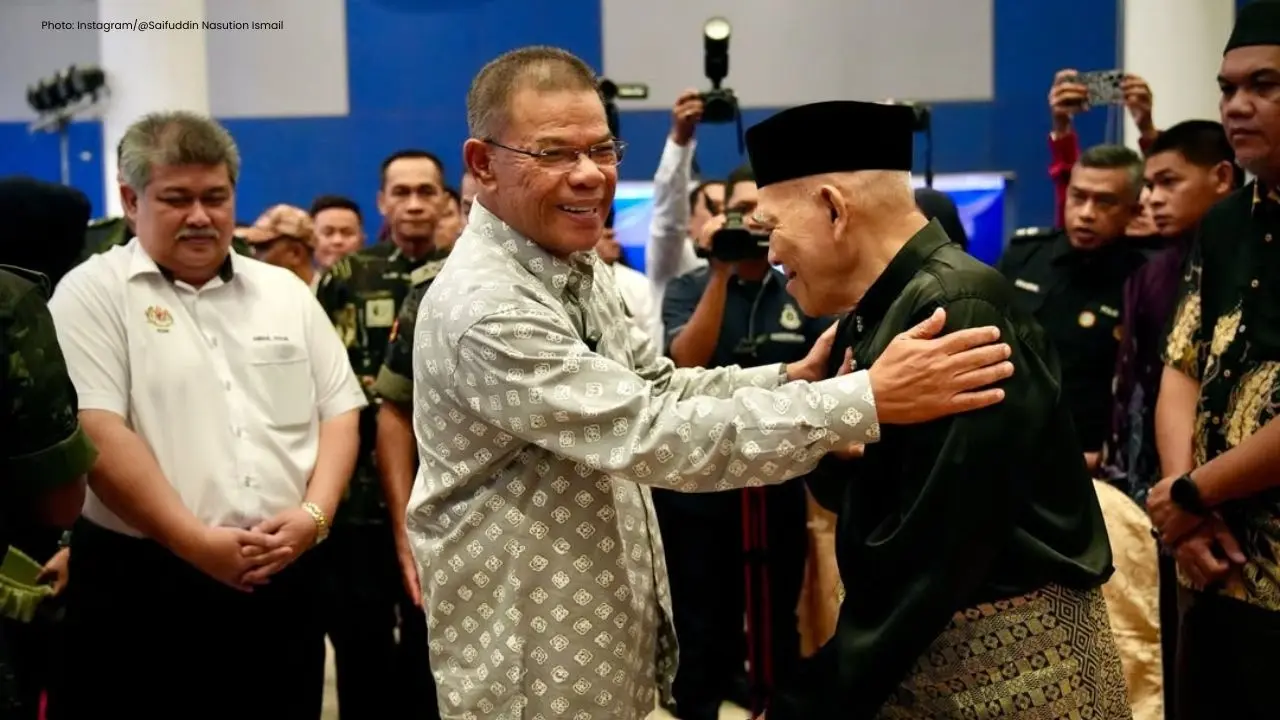
Datuk Seri Saifuddin Nasution Ismail, Malaysia’s Home Minister, has emphatically dismissed allegations that suggest he approved Malaysian citizenship for Chinese nationals without adhering to proper protocols. He characterized the charges as false, malicious, and politically charged attempts aimed at generating confusion and stirring public outrage. The minister asserted that these claims are part of a continuous barrage of fabricated narratives circulating online, despite previous government clarifications.
In a statement posted on social media, Saifuddin Nasution clarified that the process of awarding Malaysian citizenship is rigorously regulated by the Federal Constitution and national laws. He stressed that every application is subjected to comprehensive background investigations, legal reviews, and security assessments prior to approval. He emphasized that citizenship is never granted indiscriminately or for political purposes; all decisions adhere to legal frameworks established by the Malaysian government.
The minister pointed out that he had previously addressed similar claims multiple times in parliamentary sessions and prior media briefings. He noted that the government had offered detailed insights and official statistics on citizenship approvals, yet misleading content through posters and social media messages continues to propagate false accusations. He expressed concern that some of these materials touch on sensitive issues related to religion, race, and royalty—collectively known as the “3R” topics in Malaysia—potentially inciting social discord and jeopardizing national unity.
Saifuddin Nasution encouraged Malaysians to refrain from believing unverified online claims and urged them to consult authentic and official sources for information. He cautioned that the spread of fake news and defamatory content could erode public confidence and foster unnecessary anxiety, especially during challenging economic and global times. He underlined the irresponsibility of disseminating false political propaganda amid economic uncertainty, labeling it harmful to the nation's welfare.
The Home Minister further called out individuals and groups responsible for disseminating these allegations, demanding an immediate halt to the spread of misleading information. He cited such actions as unethical, posing a threat to the country’s stability and cohesion. Saifuddin Nasution noted that the government is currently prioritizing critical national issues such as rising living costs, supply chain challenges, and economic recovery efforts, urging the public not to be swayed by unfounded political assertions.
Political commentators in Malaysia suggest this issue could ignite wider discussions around citizenship policies, immigration, and national identity in light of future political changes. Questions relating to citizenship approvals have always stirred sensitive debates in Malaysian politics owing to the country’s diverse ethnic and religious demographic. Experts warn that misinformation involving race and nationality can rapidly spread online, exacerbating tensions if not promptly addressed by officials.
The Malaysian government has stepped up efforts to combat the spread of fake news and online misinformation, particularly content that can disrupt public order or social harmony. Authorities consistently remind citizens to verify information before sharing it online and to refrain from promoting unverified claims. The Home Ministry has reiterated that citizenship processes are under strict legal oversight, with each application assessed according to constitutional mandates and national security parameters.