Disguised Dangers: When Labels Deceive
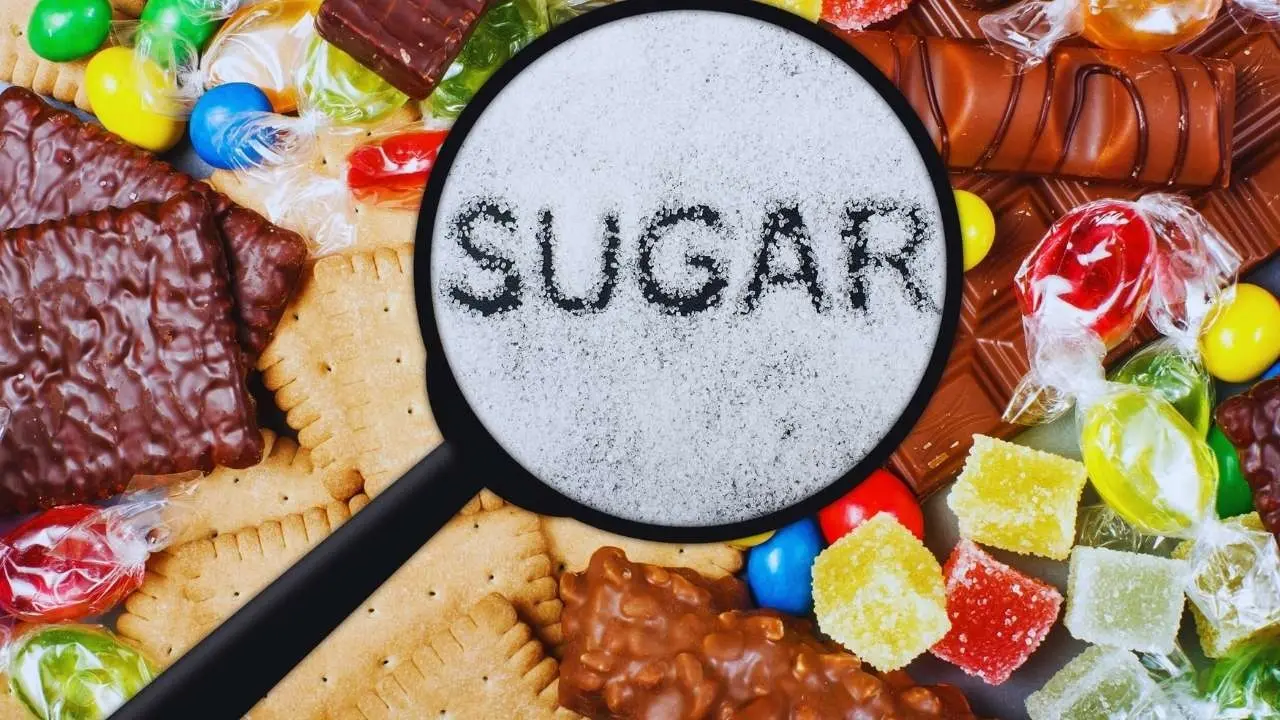
Parents aim to make healthy choices for their children, opting for breakfast cereals that enhance energy, snack bars that promise to be nutritious, and fruit-flavored beverages that seem benign. The colorful wrappers and reassuring claims make these options appear safe. Terms like "low fat," "no added sugar," and "contains real fruit" dominate packaging, transforming snacks into symbols of parental care.
Nevertheless, rising childhood obesity rates tell a different story. It’s a problem persisting not just in cities but extending to rural areas as well, affecting kids who don’t frequent fast-food outlets. The issue lies not solely in greasy foods but is also prevalent in lunchboxes, breakfast meals, and kitchen shelves.
The hidden sugars embedded in these products are shaping children's bodies and patterns long before the ramifications become apparent. They available so subtly behind appealing phrases such as "natural," "fortified," and "boosting energy." By the time weight gain becomes evident, internal damage may already be underway.
It's crucial to identify hidden sugar sources and understand their effects on developing bodies, as childhood obesity is more than just what kids consume—it's about their unknowing intake.
Childhood Obesity: Beyond Just Appearance
Childhood obesity is not merely an issue of looks. It represents a multifaceted medical condition linked to severe health consequences that can impact a child's future.
Health Risks of Excess Weight
When a child is overweight, their organs face increased strain. Blood sugar levels may fluctuate unpredictably, blood pressure could rise, and normal breathing may become labored. Fat accumulation can occur in unhealthy areas such as the liver and muscle tissues.
These changes do not wait for adulthood; many children show signs of diseases typically associated with older demographics, including hormonal imbalance, elevated cholesterol levels, and pre-diabetes.
The Emotional and Social Aspects of Weight
Children with obesity grapple with emotional challenges that match their physical struggles. Bullying, social exclusion, and low self-worth affect their academic success and mental wellbeing. Food becomes a source of comfort, but that comfort quickly morphs into a harmful habit, creating a vicious cycle.
Obesity is not just a physical issue; it often brings along anxiety, isolation, and compulsive eating behaviors.
Identifying Sugar Hiding in Everyday Foods
Sugar isn't limited to sweets anymore. It has insidiously invaded common foods.
Cereals That Contribute to the Problem
Many cereal brands boast benefits like strength and intelligence, yet many contain high sugar amounts masked as "honey," "corn syrup," or "fruit concentrate." A single bowl can deliver a dose of sugar equivalent to several teaspoons.
Kids starting their day with sugary cereals often experience energy boosts that lead to crashes, prompting cravings for more snacks by midday.
Snack Bars and Energy Bites
Often marketed as healthy options, these bars can contain syrups and sweeteners that increase blood sugar levels more rapidly than traditional candy bars. Although portion-controlled packaging suggests moderation, the sugar content is significant.
The body processes sugar by quantity rather than packaging.
Juices and Flavored Dairy
Children frequently consume hidden sugars in fruit juices and flavored milks. These beverages can contain as much sugar as soft drinks, yet lack any evident warning labels.
Liquid sugars are more harmful than solid sugars. They are absorbed rapidly, leaving kids unsatiated and craving more.
Kid-Friendly Yoghurts
Many yoghurts aimed at children are essentially sugar-laden desserts masquerading as healthy dairy options. The fruit flavoring often comprises syrup instead of real fruit.
What parents view as nutritious could be delivering excessive carbohydrates instead.
Why Sugar Impacts Kids More Severely
Children's bodies are still developing, making them react to sugar differently than adults.
The Growing Metabolism Dilemma
Young ones burn energy quickly, but excess sugar can confuse their hunger signals. The brain associates sweetness with reward, disrupting natural appetite regulation.
Early exposure to sugar alters taste preferences, making natural fruits less appealing and vegetables taste unpleasant.
Hormonal Imbalance
Sugar impacts hormones responsible for hunger and satiety, leading children to ignore their inner signals over time.
As this system becomes ineffective, kids begin to eat not based on hunger, but on cravings.
The Marketing Tactics Targeting Young Consumers
Food companies understand that while parents make purchases, children have significant influence.
Cartoon Characters as Marketers
Characters and collectibles draw attention away from nutritional values, focusing instead on fun. The food item becomes associated with pleasure.
Kids start linking joy with specific products long before they comprehend health implications.
Misleading Language
Terms like "natural sweeteners," "no refined sugar," and "fruit-based" create an illusion of healthiness without guaranteeing it.
Sugar, identical in effect whether from cane or fruit concentrate, remains a culprit.
The Influence of Screen Time on Sugar Cravings
An increase in screen time correlates with decreased activity levels and increased snacking.
Sugar as a Companion to Screens
Children rarely consume media without snacks. Food becomes an ingrained part of the experience.
Reduced Activity Compounding Effects
Elevated sugar intake combined with minimal physical activity accelerates fat accumulation, leading to calorie imbalances.
Fast Food's Visible Blame Versus Hidden Pantry Sugars
While fast food presents a clear view of unhealthy eating, pantry sweets remain unnoticed.
Perception Misconceptions
A burger is labeled as “bad,” whereas a cereal bar is viewed as “good,” despite their sugar content possibly telling a different story.
Parents exhibit vigilance outside the home but often let their guards down within.
Long-Term Consequences of Sugar in Childhood
The repercussions are gradual yet impactful.
Insulin Sensitivity Before Adulthood
Excessive sugar intake conditions the body to tolerate elevated blood sugar levels.
Ultimately, insulin fails to function properly.
Fat Accumulation in Non-Alcoholic Kids
Conditions once attributed to alcohol consumption are now surfacing in kids who excessively consume sugary drinks.
The liver endures silently.
Joint Stress and Mobility Problems
Excess weight leads to unprecedented strain on growing joints.
This often results in decreased physical confidence.
Learning to Read Labels Critically
Labels typically prioritize appeal over clarity.
Count Disguises, Not Just Figures
Sugar comes in various forms: syrup, extract, malt, and concentrate.
Fewer ingredients tend to indicate safer choices.
Trust Quality Over Claims
Front-of-package claims can be misleading; always refer to the nutritional information.
If sugar appears near the top of the ingredients list, it’s a warning sign.
Effective Changes That Don’t Feel Punitive
Children benefit from gradual change instead of strict bans.
Replace Instead of Prohibit
Swap sugary cereals for oats and juice for water and fruit.
Children are more open to new options when they are introduced slowly.
Revamping Snack Choices
Offer quick snack options such as nuts, fruits, eggs, and homemade yoghurts.
Make healthy choices both visible and accessible.
Engage Kids in Decision Making
Encourage them to take an active role in reading labels.
Empowerment fosters better choices.
Establishing Meal Patterns
Regular meal schedules can curb unhealthy grazing habits.
Timely hunger reduces the chance of sugar crises.
The Role of Schools in Dietary Habits
Schools play a crucial role in shaping students' habits.
Snack Quality Impacts Learning
Sugary options hinder educational accomplishments.
Clean food choices cultivate better eating habits.
Favor Water Over Sugary Beverages
Promote the intake of water.
Thirst is often mistaken for hunger.
Mental Health and Sugar Cravings
The battle against sugar is as much emotional as it is nutritional.
Sugar's Role in Mood Fluctuations
High sugar intake can lead to irritability and fatigue.
Children may become restless and anxious.
Celebrations Shouldn’t Be Sweets-Centric
Tying rewards to food creates dependency.
Affirmation should not be a sugary treat.
Common Parental Missteps
Love sometimes overlooks nutritional values.
Using Snacks as Quieting Tools
Feeding a child may quiet them, but this habit could lead to health issues later.
Assuming Kids Will Naturally Outgrow Bad Habits
Habits can solidify if not actively corrected.
Without guidance, they could harden into lifelong patterns.
Creating a Sugar-Conscious Home
The journey starts with awareness.
Lead Through Actions
Kids emulate what they see rather than what they’re told.
Cook Meals Whenever Possible
Whole foods satisfy hunger better than processed options.
Keep Healthy Foods Visible
If healthy options are tucked away, they are out of mind. Visibility is key.
Advance Planning is Essential
Hungry children will grab whatever is at hand.
Prepared parents help guide healthier choices.
When to Consider Professional Guidance
Specific signs require professional attention.
Sudden Weight Fluctuations
Don’t disregard sudden rapid weight gain.
Ongoing Fatigue
Consistent tiredness may indicate fluctuations in blood sugar.
Emotional Dependencies on Food
When food becomes a substitute for comfort, it can be a warning sign.
Finding Hope Without the Need for Perfection
This conversation is not aimed at guilt but rather clarity.
Perfect solutions are unrealistic; awareness, however, can empower change.
Children don’t need perfect guardians.
They need informed ones.
Conclusion: The Most Deceptive Sweetness Is the One We Consume Daily
Childhood obesity isn’t solely a fast-food phenomenon; it often begins at breakfast and in snack choices.
Sugar often remains undetected, masked behind packaging and misleading health claims.
But once we recognize it, we can mitigate its hold. Families that educate themselves, question norms, and adapt can create healthy environments.
Obesity doesn’t have to be inevitable; it is a path that can shift.
One snack at a time.
One label at a time.
One educated decision in a child's life.
Disclaimer
This article provides general information and is not a substitute for professional medical advice. Parents with concerns about their child’s weight or health should consult qualified healthcare professionals before making significant dietary alterations.