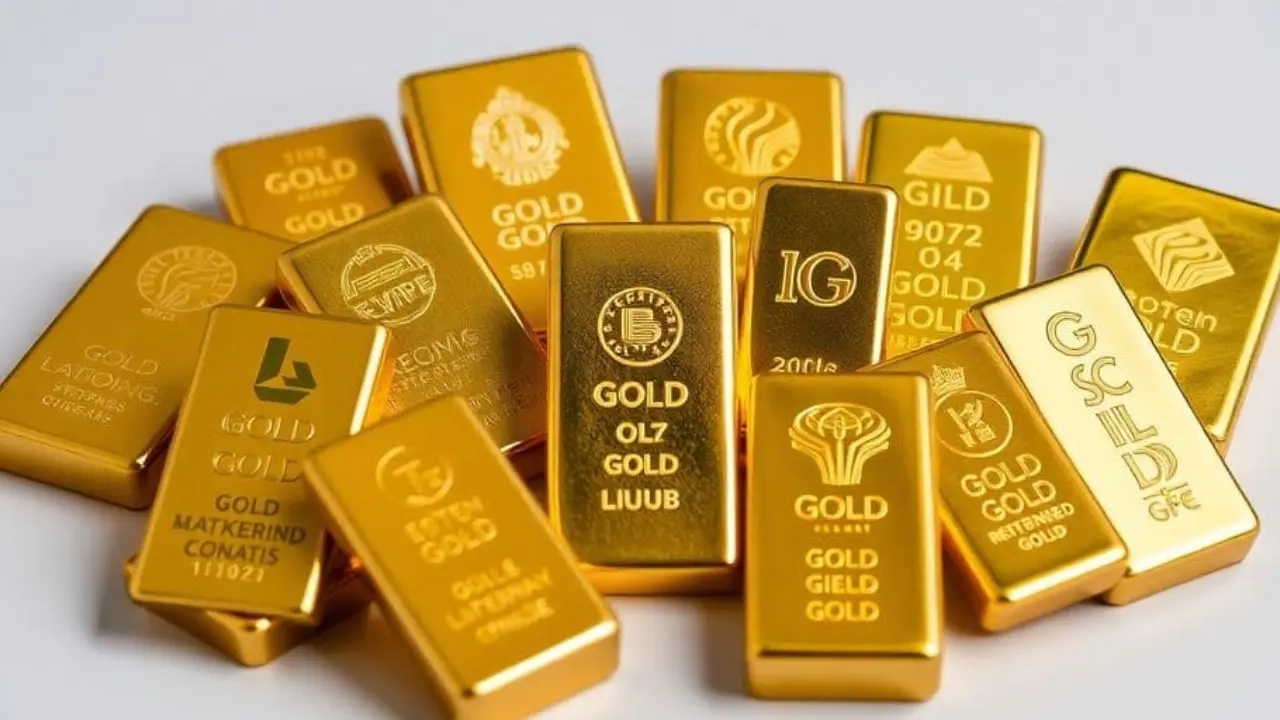
Gold's Ascent Amid Global Instability
As fears of escalating trade conflicts grow, gold prices have climbed closer to historic peaks. Investors are increasingly seeking safety amidst worsening market conditions linked to renewed trade disputes, especially between the United States and Europe. The looming possibility of tariffs and economic friction has fostered a broader ‘risk-off’ sentiment, prompting a shift of capital towards safe-haven assets like gold and silver. This trend reflects surging investor anxiety over potential disruptions in global economic growth and financial stability.
Spot gold has maintained elevated levels, remaining close to its recent all-time highs, indicating robust demand driven by macroeconomic and geopolitical influences. U.S. gold futures have risen alongside, showcasing bullish sentiment and notable trading activity in the commodity sector.
Silver, typically viewed as a complementary safe haven to gold, is also trading near its historic highs, supported by similar sentiments and encouraging diversification among precious metals investors.
Escalating Trade Tensions Driving Gold Demand
Renewed Fears of a Trade War
A key catalyst for soaring gold prices has been the resurgence of trade war anxieties. The potential for renewed tariff conflicts—particularly involving major global powers—has unsettled markets and eroded investor confidence. Disputes over strategic economic regions and trade regulations have heightened perceptions of global economic vulnerability.
Threats from political leaders regarding the imposition or expansion of tariffs on trading partners have contributed to an environment where the future of global economic cooperation appears uncertain. Assets known for their defensive qualities, such as gold, are becoming increasingly appealing as investors look for protection against forecasted market volatility and currency depreciation.
Global Market Ripple Effects
The significant impact of trade and geopolitical unrest has been felt across international markets. Equity indexes have experienced declines as traders reevaluate growth forecasts. Increased volatility is apparent in government bonds and currency markets, further encouraging portfolio reallocations toward precious metals.
This ripple effect highlights the interconnectedness of global financial markets: tensions in trade policies can catalyze shifts not only in commodity values but also in equity assessments, exchange rates, and fixed-income securities.
Currency Fluctuations' Role
Dollar Decline Bolsters Gold
Another significant factor supporting gold’s rise is the weakening U.S. dollar. As gold is dollar-denominated, a softer greenback makes it more appealing to international buyers and can sustain higher price levels in local currencies. Recently, the dollar has shown susceptibility against major currencies, encouraging increased gold investments.
When the dollar weakens, not only does gold benefit, but safe-haven currencies like the Japanese yen and Swiss franc often gain, indicating a broader risk-averse attitude among investors.
Domestic Price Impacts
In primary consumer markets, such as India—where gold prices are influenced by local currency fluctuations—a declining dollar can lead to increased domestic bullion prices. Rising international rates typically correlate with higher premiums domestically, affecting local buying habits.
Investment Trends in Precious Metals
Increased Gold Trust Holdings
Reflecting strong investor interest, major gold-backed exchange-traded funds (ETFs) have reported upticks in holdings, signaling that institutional investors are diversifying portfolios to include bullion as a risk management strategy. ETF inflows are often indicative of institutional confidence in gold's defensive nature during turbulent times.
Importance of Physical Demand
Physical demand significantly influences gold prices as well. Major consumers like India and China, where cultural affinity drives gold purchases for jewellery and investment, remain engaged even amid high prices. Local premiums can fluctuate based on supply conditions, import duties, and local demand sentiments.
Increased physical demand in key markets provides an additional layer of support for international prices beyond just investment-driven flows.
Market Movements of Silver and Other Precious Metals
Silver Tracking Gold
Silver, which is often influenced by gold trends but also by industrial demand, remains strong. While prices slightly dipped from intraday highs, they continue to trade near historical prices, showcasing sustained demand and the influence of gold’s safe-haven status.
Silver's unique position as both a monetary and industrial metal means its price resilience is also tied to optimism regarding global industrial activity and technological advancements, especially in renewable energy and electronics.
Platinum and Palladium Responses
Other precious metals, including platinum and palladium, have shown varied reactions to current market shifts. Platinum may benefit from safe-haven interest but usually faces influence from distinct industrial trends, while palladium's demand fluctuates with automotive and manufacturing market dynamics.
Together, these metals contribute to a vital framework in commodity markets, reflecting larger investor preferences and risk assessments.
Market Sentiment and Technical Influences
Investor Behavior Dynamics
One crucial driver sustaining the gold rally is shifting investor psychology. During uncertain periods, the shift in behavior from risk-taking to risk aversion amplifies allocations to defensive assets. This psychological transition can significantly influence market trends when reinforced by direct macroeconomic signals such as geopolitical unrest or indicators of slowing growth.
Technical Chart Indicators
From a technical standpoint, gold has surpassed multiple resistance levels, previously viewed as upper limits. Breaking such thresholds often attracts technical traders, leading to momentum-driven buying that intensifies the upward trend. These technical signs, coupled with fundamental demand drivers, have fortified a favorable price trajectory.
Monitoring Economic Indicators
Interest Rate Projections
Predictions of forthcoming interest rate reductions by central banks—especially the U.S. Federal Reserve—have also reinforced gold's appeal. Lower interest rates reduce the opportunity cost for holding non-yielding assets like gold, making them more attractive compared to income-generating securities. This situation has driven investors to recalibrate portfolios toward bullion in anticipation of a more lenient monetary policy.
Inflationary Trends
Global inflation trends are continuously influencing demand for precious metals. High inflation, or even the expectation of it, typically leads to a rise in gold’s status as a hedge against purchasing power erosion. Even in environments where central banks manage inflation effectively, the anticipation of inflationary pressures can motivate investors to maintain their gold positions to safeguard long-term wealth.
Impacts on Retail and Institutional Investment
Retail Investor Reactions
Retail investors may react to gold price fluctuations based on local customs and economic situations. In regions where gold carries significant cultural importance, soaring prices may temporarily suppress retail buying, as observed recently with elevated premiums. Conversely, persistent high prices can create urgency among certain investors who regard gold as a long-term store of value.
Institutional Portfolio Allocations
Institutional players, including sovereign wealth funds and pension schemes, have increasingly woven gold into diversified portfolios as a safeguard against market instability and currency fluctuations. This trend is particularly evident during renewed geopolitical or economic uncertainty.
Future Outlook: Price Projections and Trends
Analyst Predictions
Many analysts now forecast that gold could exceed even higher benchmarks in the coming months, with some targeting psychological levels well above current records, should risk-averse sentiment persist. Such psychological price markers significantly influence trading behaviors, especially when breaks above recognized thresholds can spark speculative activity.
External Risk Considerations
As we look ahead, developments in geopolitics, shifts in monetary policies, and new economic data releases will be pivotal in steering gold's price trajectory. An escalation in trade conflicts or unforeseen changes in global growth could further heighten gold’s status as a preferred safe haven.
Disclaimer:
This article is for informational purposes only and does not constitute financial advice. Market conditions can change rapidly, and decisions regarding investments should be based on individual research or consultation with financial professionals.