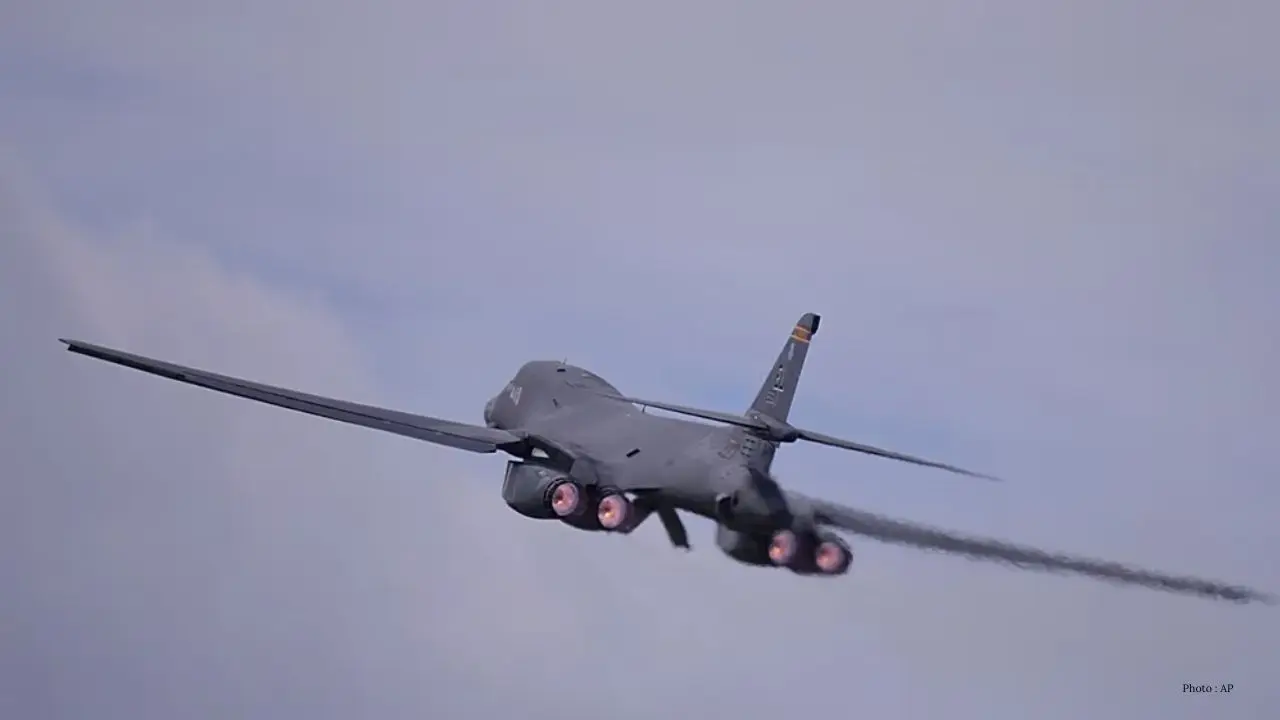
The United States military has carried out another strike against Iranian targets just days after earlier military action in the region, increasing tensions between Washington and Tehran during already fragile negotiations. The latest operation comes as U.S. President Donald Trump expressed growing frustration over the slow progress of diplomatic talks with Iran and warned that patience inside the White House is running out.
According to U.S. officials, American forces launched what they described as “defensive strikes” against Iranian military infrastructure near the Strait of Hormuz after detecting threats involving Iranian attack drones. U.S. Central Command reportedly shot down four Iranian drones operating close to commercial shipping routes and later targeted a drone control station in Bandar Abbas that officials said was preparing to launch another attack drone.
The Strait of Hormuz remains one of the world’s most strategically important waterways because a major portion of global oil shipments passes through the narrow route every day. Any military escalation in the region quickly affects global energy markets, shipping operations, and international security concerns. Following news of the latest strikes, market analysts reported renewed concerns over oil prices and stability in the Gulf region.
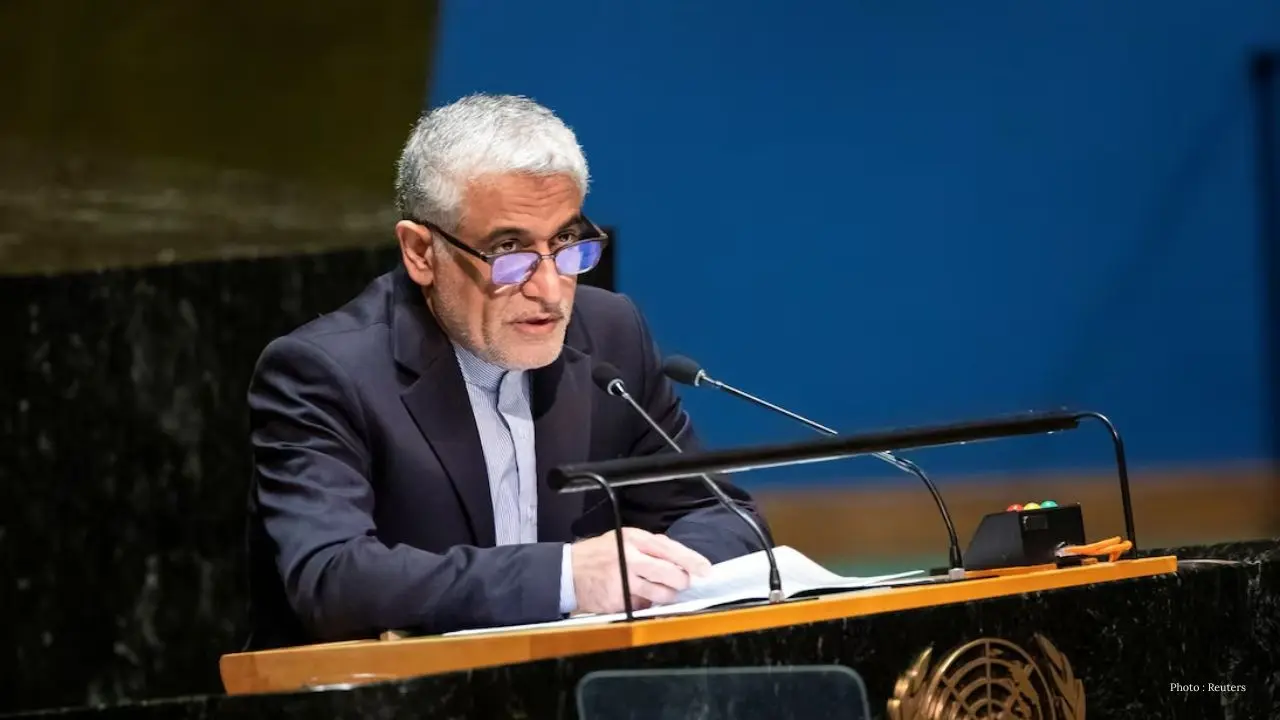
Iran strongly criticized the U.S. military action and accused Washington of violating ongoing ceasefire understandings connected to the recent conflict. Iranian officials claimed the strikes were aggressive and warned that Tehran would continue defending its territory and military interests if further attacks occur. Iranian media later reported retaliatory actions involving military targets linked to U.S. operations in the region.
President Trump also increased pressure during a Cabinet meeting in Washington, where he claimed Iran was “negotiating on fumes” because of economic pressure, sanctions, and military losses suffered during recent confrontations. Trump insisted the United States would not rush into a weak agreement simply because of political pressure or upcoming elections.
The American president said his administration remains focused on preventing Iran from expanding its nuclear capabilities while also protecting commercial shipping routes and U.S. military forces operating in the Middle East. However, Trump admitted that negotiations remain difficult and warned that military options remain available if diplomacy fails to produce acceptable results.
Despite the military escalation, diplomatic discussions between the two countries have not completely collapsed. Reports suggest mediators from regional countries, including Oman, continue trying to reduce tensions and prevent a wider regional conflict. Still, analysts say the latest exchange of strikes has made any immediate breakthrough far more complicated.
Political observers believe the current situation highlights the growing challenge facing both Washington and Tehran. The United States wants stricter limits on Iran’s nuclear activities and military operations, while Iran continues demanding sanctions relief and recognition of its regional influence before agreeing to major concessions.
The conflict has also created concern among America’s allies and international energy markets. Several countries are now monitoring shipping activity around the Gulf region more closely as fears grow that continued military incidents could threaten international trade and oil supplies.
Defense experts warn that even limited strikes can quickly escalate if retaliatory attacks continue on both sides. The situation remains highly sensitive because of the presence of American military bases, naval operations, and commercial vessels across the region.
As diplomatic efforts continue behind the scenes, the latest strikes show that tensions between the United States and Iran remain dangerously unstable despite ongoing negotiations. Global leaders are now urging restraint while closely watching whether the conflict moves toward further escalation or renewed diplomacy.