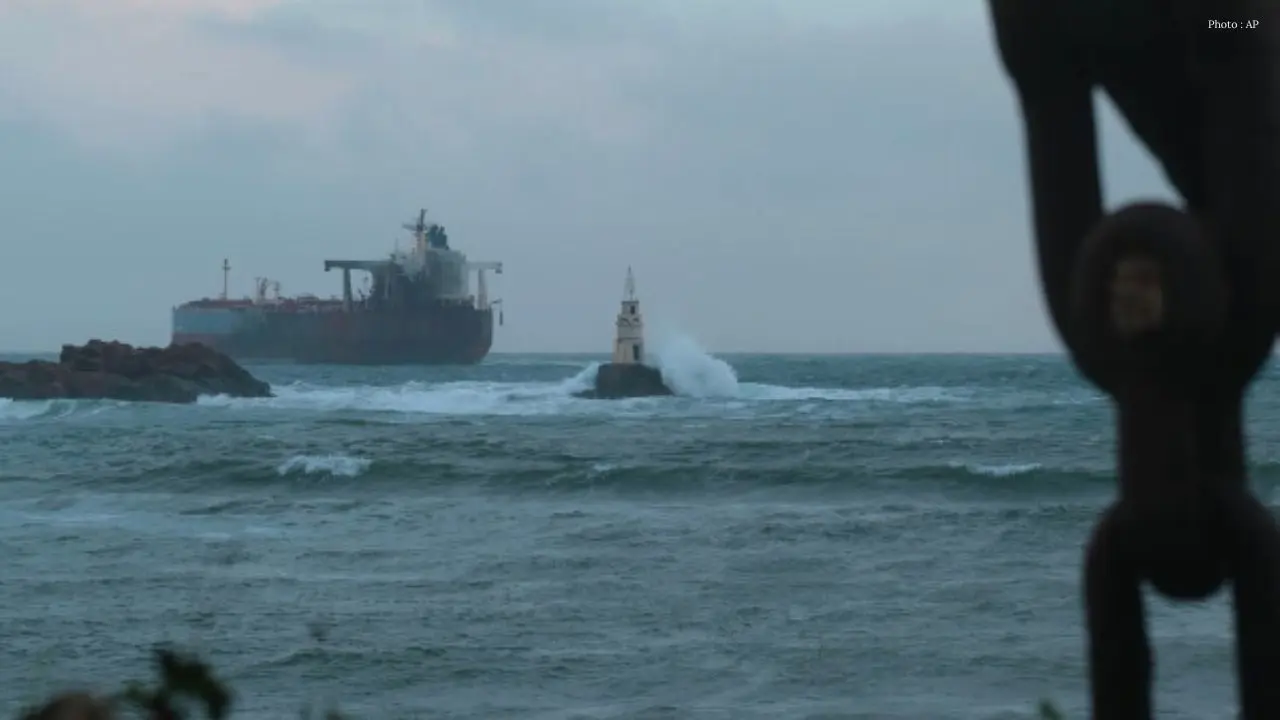
French naval forces, with support from the United Kingdom, have intercepted a Russian-linked oil tanker in a move that highlights growing European efforts to enforce sanctions and monitor maritime activities connected to Russia's energy exports. The operation has attracted international attention as Western nations continue increasing pressure on Moscow over its ongoing war in Ukraine and its global oil trade.
According to reports, the tanker was intercepted while traveling through waters where European authorities have increased surveillance of vessels suspected of helping Russia bypass international sanctions. French naval units conducted the operation with intelligence and logistical support from British authorities. Officials said the action was part of broader efforts to ensure compliance with international regulations and maritime security requirements.
European governments have become increasingly concerned about what is often referred to as Russia's "shadow fleet" — a network of aging tankers and vessels allegedly used to transport Russian oil while avoiding sanctions, insurance restrictions, and price-cap measures imposed by Western countries. Authorities believe some of these ships operate under complex ownership structures and frequently change flags or registration details to avoid scrutiny.
French officials stated that the interception was carried out in accordance with international maritime law. The vessel was reportedly stopped for inspection and verification of documentation related to its cargo, ownership, insurance status, and compliance with existing sanctions. Authorities have not publicly released detailed findings from the inspection but emphasized that the operation was conducted peacefully and professionally.
The United Kingdom has played a leading role in supporting efforts aimed at limiting Russia's energy revenues since the start of the Ukraine conflict. British authorities have introduced multiple rounds of sanctions targeting Russian oil exports, shipping companies, financial institutions, and individuals connected to the Kremlin. London has also increased cooperation with European allies to monitor maritime routes used for oil transportation.
The interception comes as Western governments continue tightening restrictions on Russian energy exports. Although Russia remains one of the world's largest oil producers, sanctions imposed by the European Union, the United Kingdom, the United States, and their allies have sought to reduce Moscow's ability to generate revenue from global energy markets. These measures are designed to increase economic pressure on Russia while limiting resources available for military operations.
Moscow has repeatedly criticized Western sanctions, describing them as illegal and politically motivated. Russian officials argue that attempts to restrict energy exports disrupt global markets and contribute to higher fuel prices worldwide. Russia has also worked to redirect a large portion of its oil exports toward buyers in Asia, the Middle East, and other regions outside the Western sanctions system.
Security analysts say maritime enforcement has become increasingly important because sanctions are only effective if governments actively monitor shipping activities. Authorities across Europe have expanded naval patrols, intelligence-sharing programs, and port inspections to identify vessels suspected of violating restrictions. The growing focus on maritime trade reflects concerns that some sanctioned goods continue reaching international markets through alternative shipping networks.
The operation also demonstrates the close defense cooperation between France and the United Kingdom despite political differences that have occasionally emerged since Brexit. Both countries remain key NATO members and continue working together on security issues ranging from European defense and counterterrorism to maritime surveillance and support for Ukraine.
Experts note that incidents involving Russian-linked tankers could become more common as sanctions enforcement efforts increase. European governments have indicated that they intend to continue monitoring shipping routes and investigating vessels suspected of helping evade restrictions. This approach is expected to remain a central part of Western policy toward Russia in the coming months.
The interception has already sparked discussion among international observers about the future of maritime sanctions enforcement. Supporters argue that stronger monitoring is necessary to ensure sanctions remain effective, while critics warn that increased naval involvement could raise tensions between Russia and Western countries.
As investigations related to the tanker continue, the incident serves as another example of how the conflict in Ukraine continues to influence global trade, energy markets, and international security. With Western nations maintaining pressure on Moscow and Russia seeking alternative ways to sustain its exports, maritime operations are likely to remain an important front in the broader geopolitical struggle.