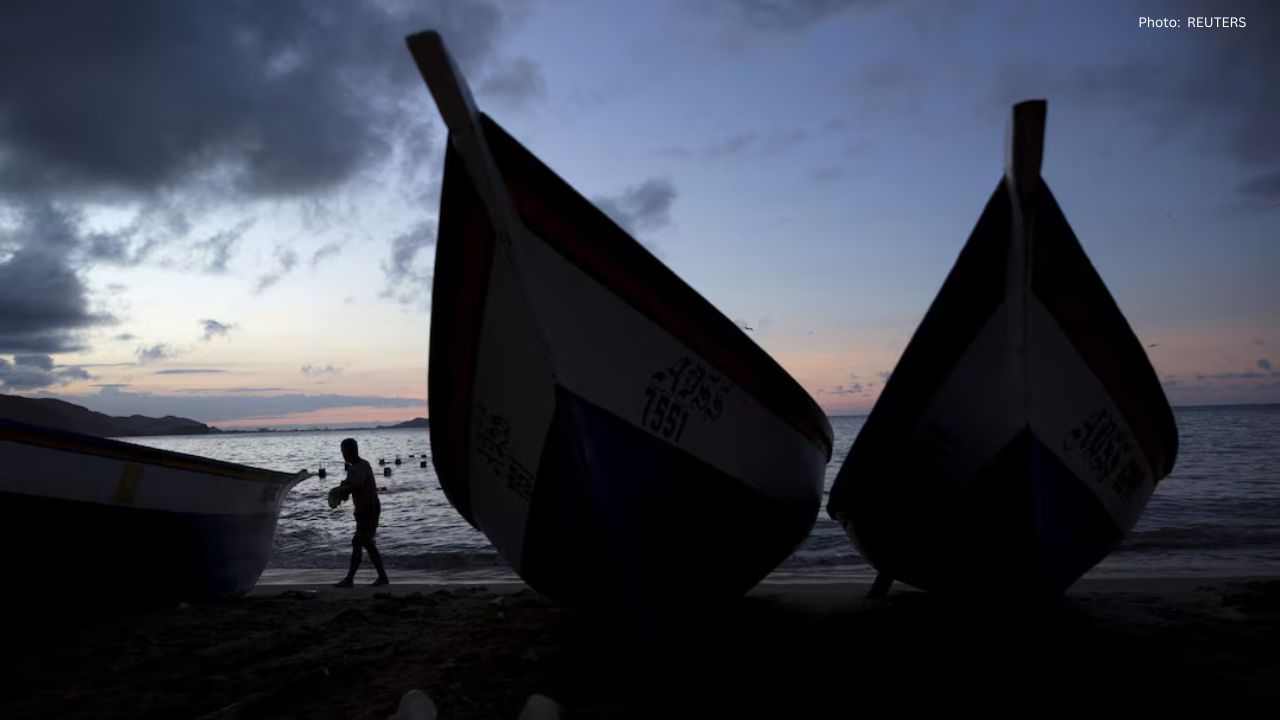
In Venezuela's remote northeastern Sucre state, life has turned tense and unpredictable following a series of U.S. strikes aimed at suspected drug boats. Residents report a surge in security patrols, intelligence personnel, and government party supporters, creating an atmosphere of fear and uncertainty along the Caribbean coast.
The U.S. initiated months of targeted strikes against boats allegedly used by drug cartels, resulting in over 80 casualties off the Venezuelan coast, including victims from Sucre, which is located near Trinidad and Tobago. This region, one of Venezuela’s poorest, relies heavily on government jobs, with around 60% of its population depending on them for survival.
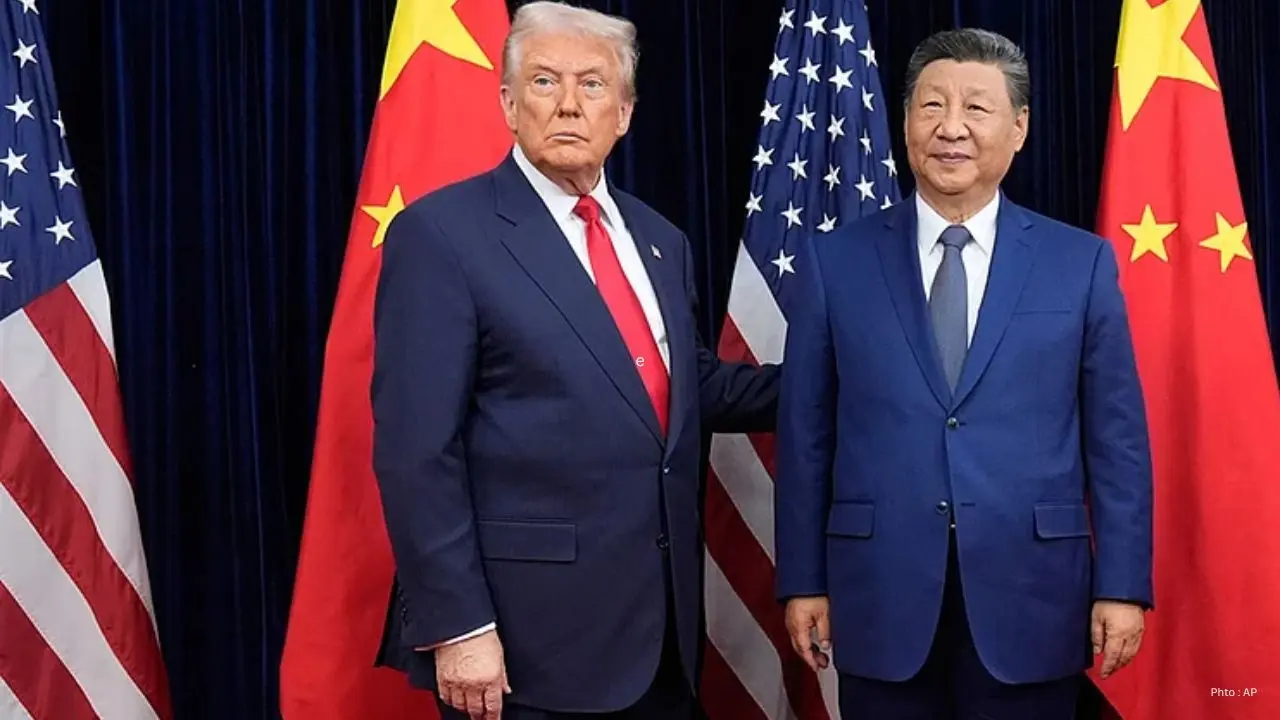
According to U.S. authorities, the strikes aim to dismantle criminal organizations, including those purportedly linked to President Nicolás Maduro's regime. However, Maduro denies these allegations, asserting that the U.S. seeks political leverage to exploit Venezuela's extensive natural resources, particularly its oil reserves.
Families of victims from the strikes have reported a drastic shift in their lives as they cope with the aftermath. Two relatives, wishing to remain anonymous due to fear of repercussions, shared that Venezuelan police and SEBIN agents visited their homes shortly after the bombings, searching their premises and warning them against discussing their loved ones online. They lamented a lack of official communication, leaving them grieving without closure.
In the coastal town of Guiria, the heightened presence of security forces has become noticeable since mid-September, with an even sharper increase in recent weeks. Residents witness ongoing patrols from SEBIN, along with military and police forces, many in civilian clothes and unmarked vehicles, making them feel increasingly uneasy.
The DGCIM, under U.S. sanctions and facing scrutiny from the International Criminal Court, has been criticized by human rights organizations for allegations of torture and extrajudicial killings. SEBIN, notorious for surveilling journalists and critics of the government, has intensified its activities in the area.
A community leader noted that security patrols are now constant, in contrast to the previously intermittent presence of authorities. Another local merchant commented on the collaboration between police and ruling-party motorcycle groups, known as “colectivos,” saying that while things seem calm, the omnipresent surveillance breeds fear.
The local economy, already fragile, faces further decline due to halted smuggling and trade with Trinidad and Tobago. Residents report that boats have ceased departing for the islands, crippling commerce and halting the movement of people across borders. The shops only recently experienced small bursts of activity due to government bonus payments; otherwise, money circulation is nearly nonexistent.
In Carupano, a local noted that DGCIM has established a command center in a nearby hotel, contributing to the growing emptiness in public spaces as people prefer staying indoors. Some residents have recognized intelligence agents among those in civilian clothes, leading to cautious discussions on sensitive matters.
The situation in Sucre is a microcosm of a broader trend in Venezuela, where surveillance intertwines with daily life. For many, the prevailing sentiment of fear, combined with economic hardship, cultivates a heavy atmosphere of anxiety. Once a region celebrated for fishing and community spirit, Sucre now faces an uncertain future, marked by a longing for relief amid increasing pressures.
The ramifications of the U.S. strikes ripple beyond coastal waters; shaping life on land, tightening governmental control, and leaving families in mourning without clarity. In Sucre, uncertainty looms large, and the sensation of being watched has become an inescapable part of life.