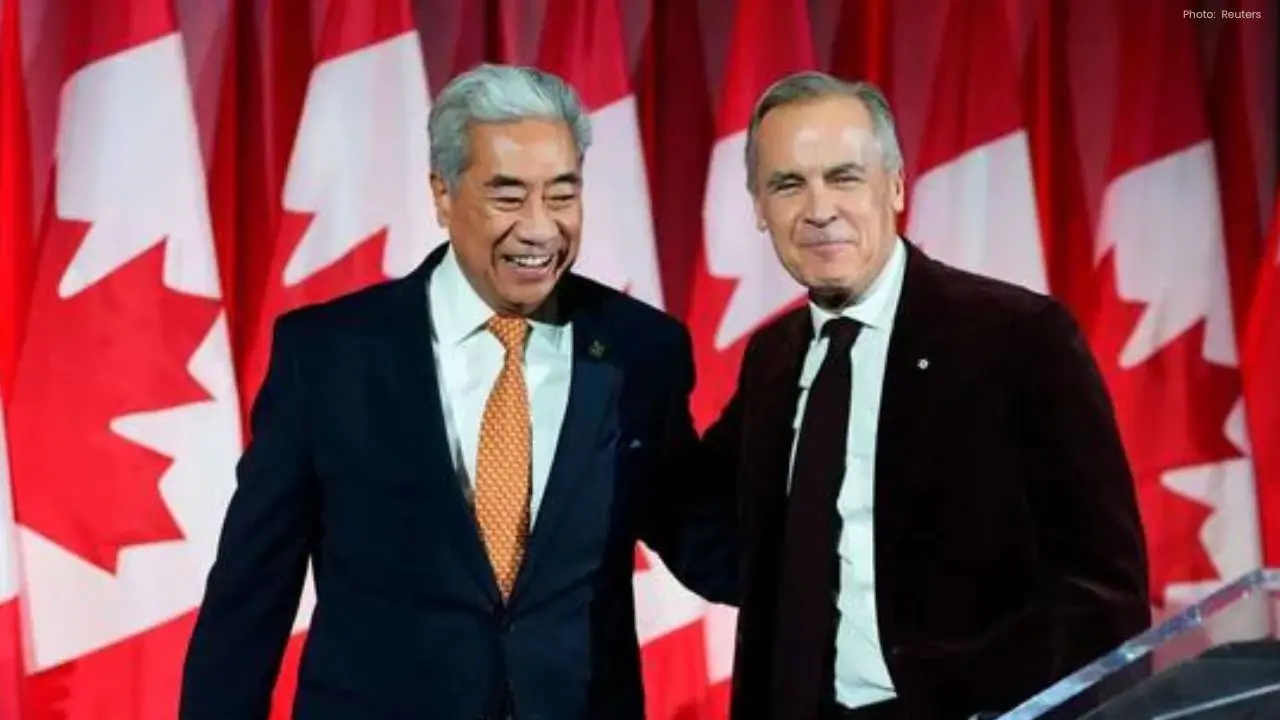
The recent defection of Conservative MP Michael Ma to the Liberal Party has reignited a long-standing debate at the heart of Canadian parliamentary democracy: how a government earns and maintains legitimacy in the House of Commons.
Conservative leader Pierre Poilievre has framed the move as evidence of political manipulation, accusing Prime Minister Mark Carney of attempting to secure a majority through behind-the-scenes arrangements rather than a public mandate. According to Poilievre, a majority government should only be formed through a general election, not by attracting MPs from opposing parties.
Carney, however, has dismissed those claims, stating that the true measure of legitimacy is the ability to command the confidence of the House. From his perspective, whether that confidence is achieved through elections, alliances, or individual MPs choosing to change sides is consistent with parliamentary tradition.
Canada’s system does not allow voters to directly elect majority or minority governments. Citizens vote for individual MPs, who then determine which leader governs. As long as a prime minister can survive confidence votes, the government remains valid under parliamentary rules.
Floor-crossing is not new to Canadian politics. Over the years, MPs from all major parties have switched allegiances, including several high-profile defections to Conservative governments in the past. Notably, attempts to restrict this practice have failed, including a proposal that would have forced MPs to contest byelections after changing parties.
Critics argue that switching sides undermines voter trust, especially when MPs abandon positions they defended during election campaigns. Supporters counter that MPs are elected to exercise judgment, not simply act as extensions of party leadership.
Historically, minority governments have relied on cooperation to survive. In the previous Parliament, the Liberals governed with the support of another party through a confidence-and-supply arrangement, effectively creating a working majority without formal floor-crossing.
What makes the current situation unusual is the possibility that individual defections alone could push the governing party over the majority threshold. While unprecedented at the federal level, it remains fully legal.
Ultimately, accountability rests with voters. MPs who cross the floor—and leaders who welcome them—must justify their decisions at the next election. In Canada’s parliamentary system, political consequences are delayed but unavoidable.