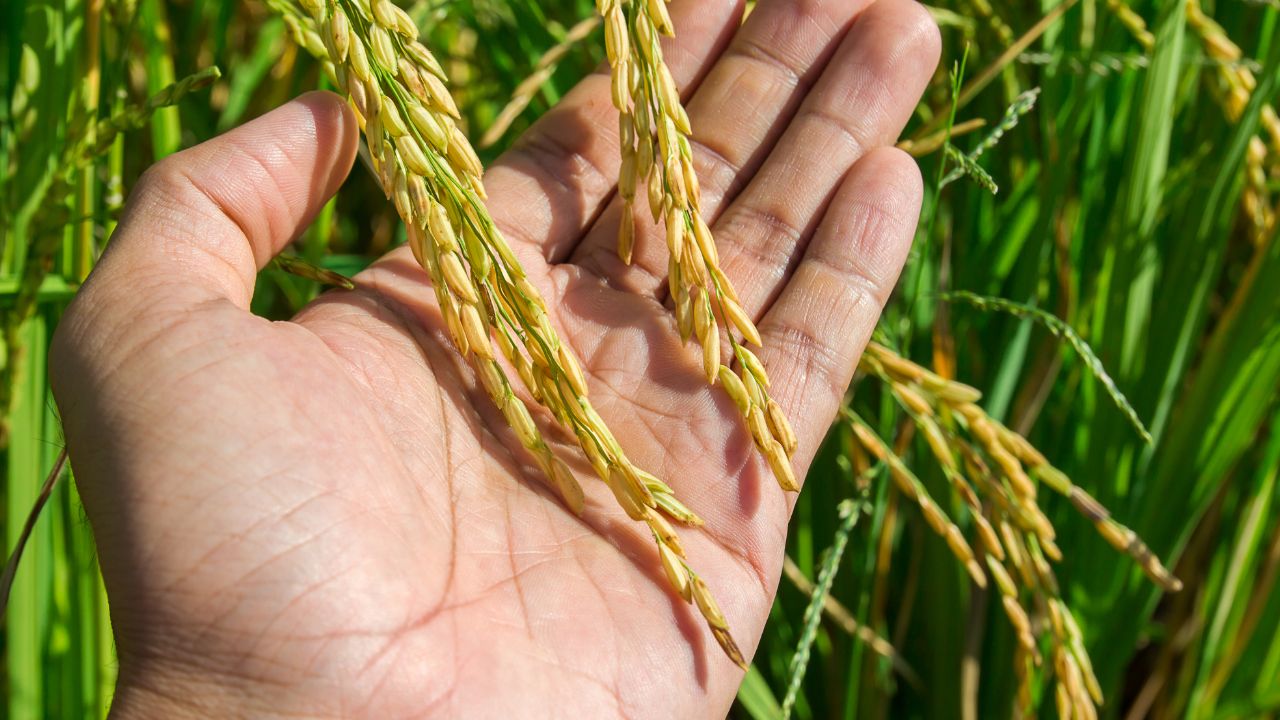
Feedgrain prices are facing a steep decline in recent times, largely driven by a significant drop in domestic demand for feed barley. This shift in the agricultural marketplace is not only affecting farmers who grow barley but also has far-reaching effects on livestock producers, grain traders, and the broader food supply chain. Understanding the causes, immediate effects, and future implications of this trend is essential for stakeholders across the agricultural spectrum and the general public who rely on these food systems.
Understanding Feedgrain and Its Importance
Before diving into the current trends, it is important to understand what feedgrain is, why it is crucial, and the role barley plays specifically.
Feedgrain is a category of cereal grains grown primarily to feed livestock — animals like cattle, pigs, and poultry that produce meat, milk, eggs, and other products. Common feedgrains include corn (maize), barley, oats, sorghum, and wheat (in some regions). These grains provide the energy and nutrients animals need for growth and production.
Barley holds a special place among feedgrains because of its adaptability to different climates, nutritional value, and relative cost. It is widely used in animal feed rations, especially for cattle and pigs, and also serves as raw material for brewing and food processing industries. Due to these uses, barley demand can show variability depending on shifting livestock feed patterns, brewing industry health, and export markets.
Why Are Barley Demand and Feedgrain Prices Dropping?
There are several factors that influence the declining demand for barley, which consequently drags feedgrain prices downwards. These can be broadly categorized into economic, supply, and consumption-related reasons.
1. Changes in Livestock Feeding Patterns
One of the primary drivers of barley demand is livestock feed. Recently, many livestock producers have reduced their barley intake due to cost and availability concerns, substituting barley with other feed options such as corn, wheat, or by-products like distillers grains. Corn, for example, often provides a cheaper or more energy-efficient alternative, especially when prices fluctuate. Additionally, advancements in animal nutrition have enabled feed producers to optimize feed formulas using varied ingredients, reducing dependency on a single grain.
2. Economic Pressures on Livestock Producers
Farmers and livestock producers face tight profit margins due to rising input costs such as fuel, fertilizers, labor, and veterinary services. Lowering feed costs is one way to ease financial stress, resulting in reduced demand for pricier feedgrains like barley. Drought conditions or poor pasture quality in some regions may also force farmers to adjust feeding programs, sometimes limiting animal numbers or altering feed rations, indirectly decreasing barley consumption.
3. Domestic Market Weakness
The domestic market for barley-based feed has weakened due to subdued demand from the poultry and dairy sectors. Consumer preferences shifting towards plant-based or alternative protein products may affect meat consumption and therefore animal feed demand. Also, in regions where livestock growth has slowed or stagnated, feedgrain demand remains suppressed.
4. Export Demand Fluctuations
Barley is often traded internationally. If global buyers reduce barley imports due to price competition, better deals elsewhere, or geopolitical trade disruptions, domestic surplus supplies can build up. Such a surplus situation tends to push prices lower as sellers compete to offload stock.
5. Supply-side Factors
Conversely, good weather and improved farming techniques have increased barley production in some areas, leading to higher harvest volumes. When supply outpaces demand, it creates downward pressure on prices. Storage and transportation challenges may also influence how excess grain enters the market, further impacting prices.
Who Is Affected by Falling Feedgrain Prices?
The decline in feedgrain prices, especially barley, impacts a wide range of stakeholders, sometimes in conflicting ways.
1. Barley Farmers
Farmers growing barley face direct income losses from falling prices. Lower grain prices mean lower revenues for the same quantity sold. This can strain their ability to sustain operations, invest in future crops, or pay off debts. For smallholder farmers or those with weak financial buffers, the impact can be severe. Crop diversification and alternative markets are potential solutions, but switching crops or markets requires time and investment, which may not always be feasible.
2. Livestock Producers
Paradoxically, livestock farmers may benefit from lower feedgrain prices in terms of reduced input costs. Feed makes up a large portion of their expenses, so falling barley prices can help improve profitability or offset other rising costs. However, if low feedgrain prices reflect deeper structural problems in the market—such as reduced meat demand—this benefit could be temporary.
3. Grain Traders and Processors
Lower barley prices reduce profit margins for businesses involved in storage, transportation, processing, and trading of feedgrain. Some companies might find it hard to keep operations profitable, especially if costs do not decrease proportionally. Market instability can also discourage investment and innovation in the sector.
4. Consumers
For consumers, lower feedgrain prices can lead to reduced costs for animal products like meat, eggs, and dairy. However, any sustained challenges to farming incomes could eventually affect food supply or quality. Moreover, consumer shifts towards alternative proteins might mean the feedgrain market shrinking over time.
Broader Economic and Environmental Implications
Economic Effects on Rural Communities
Regions that rely heavily on barley cultivation and related agricultural business often experience broader economic effects when prices drop. Reduced farm incomes can lead to less spending in local economies, affecting retail, services, and employment. In extreme cases, this can contribute to rural depopulation and socio-economic challenges.
Environmental Considerations
Price drops can influence farming practices and land use. Some farmers might switch to other crops or reduce planted areas, impacting soil health, biodiversity, and water use. Conversely, sustained low prices could discourage overproduction and reduce intensive farming pressure, which may have some environmental benefits.
Strategies to Address the Challenges
1. Diversification and Crop Rotation
Farmers can mitigate risks by diversifying crops, adding value-added products, or engaging in contract farming with assured buyers. Crop rotation improves soil quality and can reduce dependence on barley alone.
2. Improved Market Linkages
Strengthening connections between producers, processors, and buyers can stabilize demand and prices. Cooperatives and farmer groups can wield more negotiating power and reduce transaction costs.
3. Government Support and Policy Measures
Governments can assist through price support mechanisms, subsidies, or investment in infrastructure to improve market access. Research into alternative feed sources and better storage facilities can also help.
4. Innovation in Feed Formulation
Animal nutrition research aiming to utilize locally available ingredients or by-products can reduce reliance on traditional feedgrains and improve feed efficiency.
5. Encouraging Export Markets
Exploring new export markets or improving trade agreements can help absorb surplus supply and support prices.