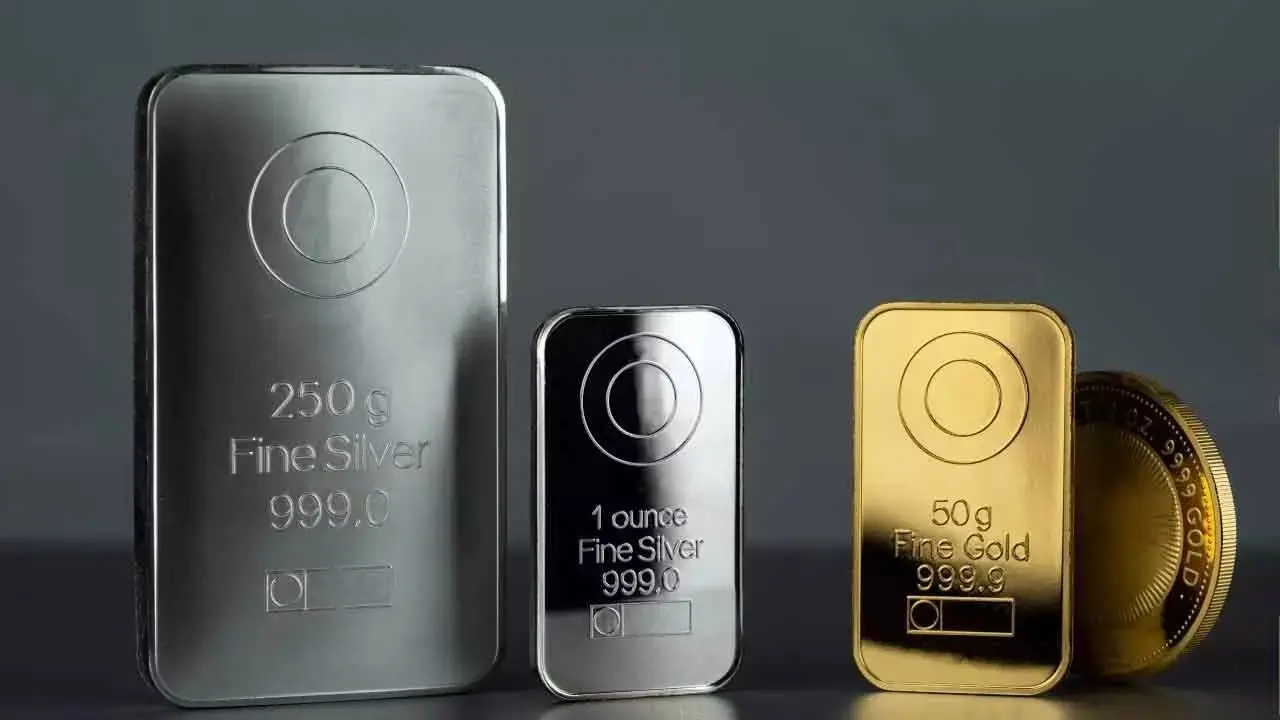
Gold and silver have seen a significant decrease from their historic highs, leading investors to ponder a critical question: what caused these precious metals to decline after such an impressive surge? Following a prolonged period of gains fueled by macroeconomic instability, geopolitical concerns, and rising safe-haven demand, this recent price drop hints at changing market sentiments. This piece explores various factors shaping the precious metals market, which include profit-taking, shifts in risk preferences, currency fluctuations, monetary policy anticipations, and broader commodity market movements. By breaking these factors down, we aim to provide a comprehensive insight into the recent price corrections and considerations for investors ahead.
Price Trends for Gold and Silver: An Overview
Historic Peaks and Recent Declines
Both precious metals surged to record levels in early 2026 before experiencing a notable pullback in the following sessions. Spot gold achieved an unprecedented high near $4,888 per ounce, while silver also neared lifetime highs in international markets. In India, gold prices around ₹1,59,700 per 10 grams and silver around ₹3,34,300 per kilogram showcased the extent of the rally.
However, the subsequent retreat saw gold prices drop approximately 1.5%, with silver falling over 4%, highlighting a significant shift after sustained upward movement. These corrections have been evident across both physical and futures markets, indicating widespread adjustments rather than isolated incidents.
Factors Influencing Precious Metals' Pullback
Profit Taking Following Strong Successes
A primary reason for the decline in gold and silver prices was profit booking by traders aiming to lock in gains after record highs. This practice involves selling holdings to take advantage of previous gains, ultimately adding supply to the market and pushing prices downward.
Such behaviors typically occur following extended rallies and can trigger technical corrections as traders reassess their risk exposure. The scale of recent profit-taking mirrors the magnitude of earlier gains, driven by heightened demand for safe havens.
Improving Geopolitical Conditions and Risk Appetite
Geopolitical conditions significantly impact safe-haven assets like gold and silver. Recently, a reduction in tensions and a decline in investor anxiety weakened the demand for precious metals. For instance, certain U.S. policy changes eased perceived risks in international relations, prompting markets to reevaluate the need for safe-haven investments.
As global risk sentiment improves, investors often shift their funds toward higher-return assets such as stocks, steering clear of traditional safe havens like bullion. This transition can place downward pressure on gold and silver demand, triggering price retracements.
Stronger U.S. Dollar Influence
The strength of the U.S. dollar dramatically affects the prices of dollar-denominated commodities like gold and silver. When the dollar appreciates, these commodities tend to become more expensive for foreign holders, decreasing international demand and potentially leading to price declines.
Current market data indicates a strengthening dollar, fueled by monetary policy expectations and economic indicators highlighting resilience in the U.S. economy. This dollar strength diminished bullion's attractiveness to international investors, contributing to downward pricing pressure.
Monetary Policy and Interest Rate Influences
Evaluating the Opportunity Cost of Gold and Silver
Monetary policy directly impacts precious metal valuations, especially in major economies like the U.S. Increased interest rates elevate the opportunity cost of holding non-yielding assets like gold and silver, as investors can achieve better returns from interest-bearing investments such as bonds. Conversely, lower interest rates tend to bolster bullion prices by lessening the appeal of fixed-income assets.
Recent signals from the Federal Reserve indicated evolving rate expectations, which could impact investor attitudes in bullion markets. Speculation regarding tighter monetary policies can dampen demand for safe havens, but anticipated rate cuts often support gold and silver prices. This complex interplay can lead to volatility in precious metal pricing.
Inflation Expectations and Real Yields
Gold and silver serve as popular hedges against inflation. Rising inflation expectations typically boost interest in these metals. However, when inflation data aligns with forecasts and does not exceed expectations, markets may view the environment as less threatening to purchasing power, consequently reducing urgency to invest in precious metals.
Moreover, real yields, which adjust nominal yields for inflation, impact bullion demand. Increased real yields can make gold and silver less attractive due to heightened opportunity costs. Recent shifts in yield curves and inflation metrics further contribute to this scenario.
Market Liquidity and Broader Commodity Trends
Volatility within Commodity Markets
Precious metals do not operate in isolation; they are part of a wider commodity market ecosystem. The prices of energy, base metals, and agricultural goods often respond to macroeconomic shifts and investor expectations. Variations in these markets can indirectly influence bullion pricing by affecting investor risk preferences and capital allocation.
Periods of heightened liquidity and risk-seeking behavior generally divert capital from safe havens toward growth-oriented investments, while risk-averse conditions enhance demand for gold and silver. The current retreat in precious metals coincided with stability across broader commodity and equity markets, prompting profit-taking and reallocations.
Investor Sentiment and Behavioral Insights
Dynamics of Safe-Haven Demand
Gold and silver typically attract investment during times of economic uncertainty, geopolitical turmoil, and currency depreciation. This safe-haven appeal spurred the robust rally seen over the last year as traders sought protection from market volatility.
However, sentiment can shift quickly. Once traders perceive that acute distress has abated—even if only temporarily—demand for these metals may begin to wane. Recent easing of global tensions and reassessment of economic risks contributed to a decline in immediate safe-haven demand, thereby applying some selling pressure.
Technical and Corrections in the Market
Consolidation vs. Market Panic
Many market analysts regard these price pullbacks as a natural correction rather than a crash. Corrections are typical in any lengthy bullish market and help redistribute positions and absorb excess leverage. In this light, the recent dips in gold and silver prices may be temporary pauses, potentially paving the way for future rallies once new catalysts arise.
Moreover, corrections can signify overbought conditions, where rapid price gains leave markets susceptible to short-term reversals. Such fluctuations can intensify when automated trading systems execute profit-taking based on momentum indicators.
Implications for Investors and Traders
Assessing Long-Term Trends
Despite the recent downturns, the essential drivers behind precious metal demand remain robust. Factors such as central bank purchases, ongoing geopolitical uncertainties, currency devaluation worries, and persistent inflationary pressures continue to support gold and silver’s role as portfolio diversifiers.
Long-term investors might view the recent correction as a chance to buy at more favorable prices, while short-term traders may focus on technical signals and volatility patterns for timing their market entries and exits.
Conclusion
The recent decline in gold and silver prices indicates a collection of market dynamics rather than a single underlying cause. Profit-taking after substantial gains, a decrease in geopolitical tensions, dollar strength, shifting monetary policy expectations, and broad commodity trends all contributed to the price adjustments. A deep understanding of these interrelated factors is crucial for investors navigating the precious metals market amidst ongoing global volatility.
As markets continue to adjust, gold and silver will likely remain responsive to macroeconomic changes, policy developments, and shifts in investor sentiment. The trajectory—whether the recent price movements signal a short-lived correction or a longer-term consolidation phase—will largely depend on how these factors evolve in the coming months.
Disclaimer: This article serves informational purposes and is not financial advice. Readers should conduct their own research or consult professionals prior to making investment decisions.