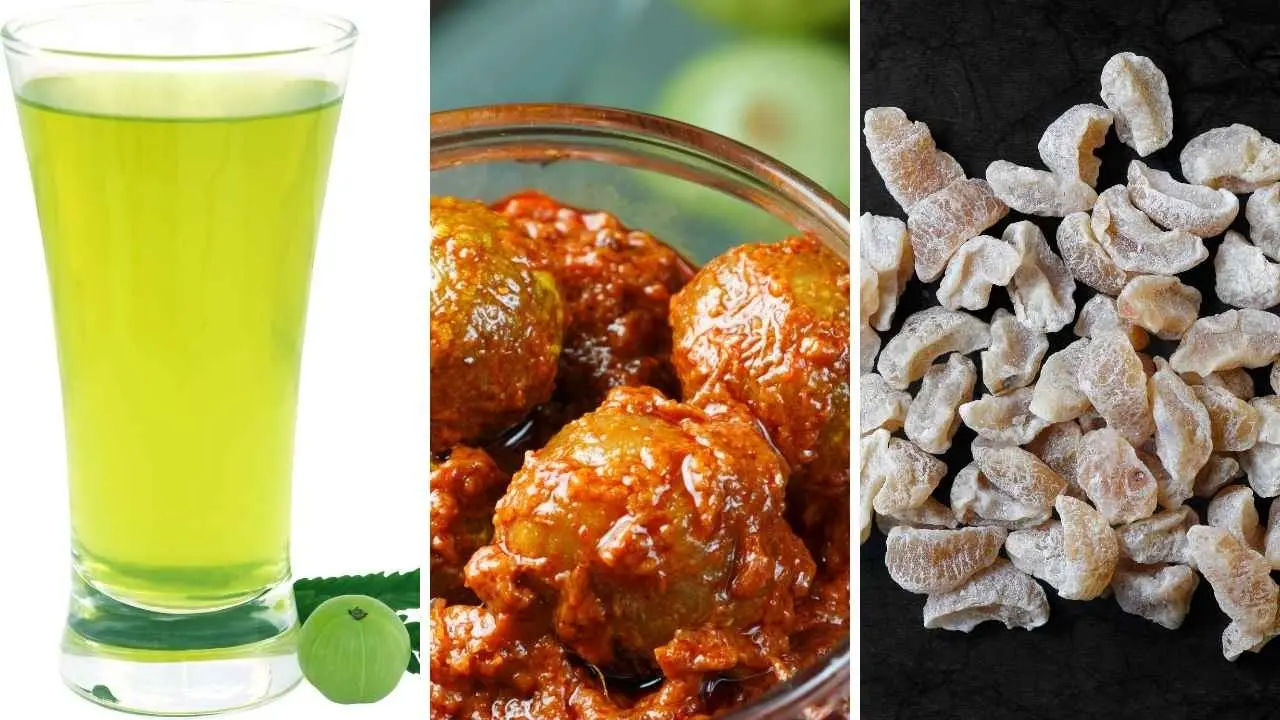
Amla Juice, Achaar, or Candy: Uncovering Nutritional Power
Amla, known as Indian gooseberry, has long been a staple in households across India. Before the advent of contemporary health supplements, amla was widely relied upon for its health-enhancing properties, including boosting immunity, promoting digestion, and overall vitality. Today, it continues to be celebrated as one of nature's superfoods.
People consume amla in various ways: some choose fresh amla juice, while others prefer it in the form of amla achaar with their meals, and many enjoy the sweetness of amla candy. This variety leads to an important question: which preparation offers the most health benefits and nutrition?
To discern this, it’s crucial to investigate how amla's nutritional profile changes when made into juice, pickle, or candy and how these transformations impact its health benefits.
Amla: The Superfruit
Amla is abundant in vitamin C, a nutrient known for its role in enhancing immune function and overall health. Vitamin C facilitates better iron absorption, maintains skin and hair health, and fosters quicker recovery from ailments. Additionally, the antioxidants present in amla combat the detrimental effects of pollution, stress, and aging.
Besides strengthening immunity, amla is beneficial for digestion, metabolism, and energy levels. However, the method of preparation significantly influences how much nutrition is actually available for absorption.
The Nutritional Advantage of Amla Juice
Amla juice is produced by crushing fresh amla and extracting its liquid content, making it the closest to its natural form.
Nutritional Content
Fresh amla juice retains most of its vitamin C and antioxidants, allowing for quicker absorption by the body.
Key Health Benefits
Considerations
Many commercially available amla juices may contain added sugars, preservatives, or artificial flavors, which can diminish their health benefits. Opting for fresh or naturally produced, sugar-free juice is ideal.
Best For
Individuals seeking optimal health benefits and enhanced nutrient absorption for daily immunity and digestive support.
Amla Achaar: Flavorful Yet Limited in Nutrition
Amla achaar consists of chopped amla preserved in oil, salt, and spices, typically consumed in moderation with meals.
Nutritional Profile
While amla achaar still offers some minerals and antioxidants, the vitamin C content diminishes during the cooking and preservation process. Although the oil aids nutrient absorption, the overall nutritional value is less than that of fresh amla.
Health Benefits
Drawbacks
Due to its high salt and oil content, excessive consumption of achaar can lead to issues with blood pressure and digestive health.
Best For
Those looking for taste with mild health benefits, though it shouldn’t be relied upon for vitamin C intake.
Amla Candy: Convenient and Least Nutritious
Amla candy is crafted by cooking amla in a sugar syrup and then dehydrating it, making it a popular sweet treat.
Nutritional Content
The heating and sugar processing significantly decrease the vitamin C levels; what remains mainly includes fiber and minimal minerals.
Health Benefits
Limitations
The high sugar content diminishes its nutritional value, thus it shouldn't be considered a major source of nourishment.
Best For
Occasional indulgence, especially for those who prefer sweeter flavors over sour ones.
Which Form of Amla Reigns Supreme?
In comparing nutritional benefits and absorption, the verdict is clear:
-
Amla Juice → Superior nutrition and absorption
-
Amla Achaar → Moderate nutritional value with flavor
-
Amla Candy → Minimal nutrition, primarily for taste
Fresh amla juice delivers the highest concentration of vitamin C and antioxidants, positioning it as the healthiest choice.
What Should You Choose?
Your selection should align with your health priorities:
-
For immune support and wellness → Amla Juice
-
For digestive benefits and flavor → Amla Achaar (in moderation)
-
For satisfying sweet cravings → Amla Candy (sparingly)
Incorporating all varieties in moderation yields the most benefits.
Optimizing Amla Benefits
-
Consume amla juice on an empty stomach
-
Avoid adding hot water to amla juice
-
Select natural, sugar-free options
-
Moderate intake of any one type
-
Prioritize balanced consumption over sheer quantity
Amla is an incredibly potent fruit, and how it is consumed can significantly affect its benefits. Amla juice provides the richest nutritional profile and promotes the best absorption, making it the ideal choice for enhancing your health. While amla achaar adds an enjoyable flavor with some health perks, it should be consumed judiciously. As for amla candy, it is delightful but offers the least nutritional value.
Small, informed choices regarding how you include amla in your diet can contribute to improved immunity, digestion, and overall health over time. With thoughtful use, amla can significantly benefit your well-being in a natural way.
Disclaimer
This article serves purely for informational purposes and should not be viewed as a substitute for professional medical guidance, diagnosis, or treatment. The content provided is derived from general health knowledge and may not be fitting for everyone.
Personal health requirements, body reactions, and medical conditions differ among individuals. It is recommended that readers consult a healthcare professional, physician, or nutrition specialist before implementing any significant dietary changes, especially for those with health issues, digestive concerns, allergies, or ongoing medication. The authors and publishers are not liable for any health consequences resulting from the use of this information.