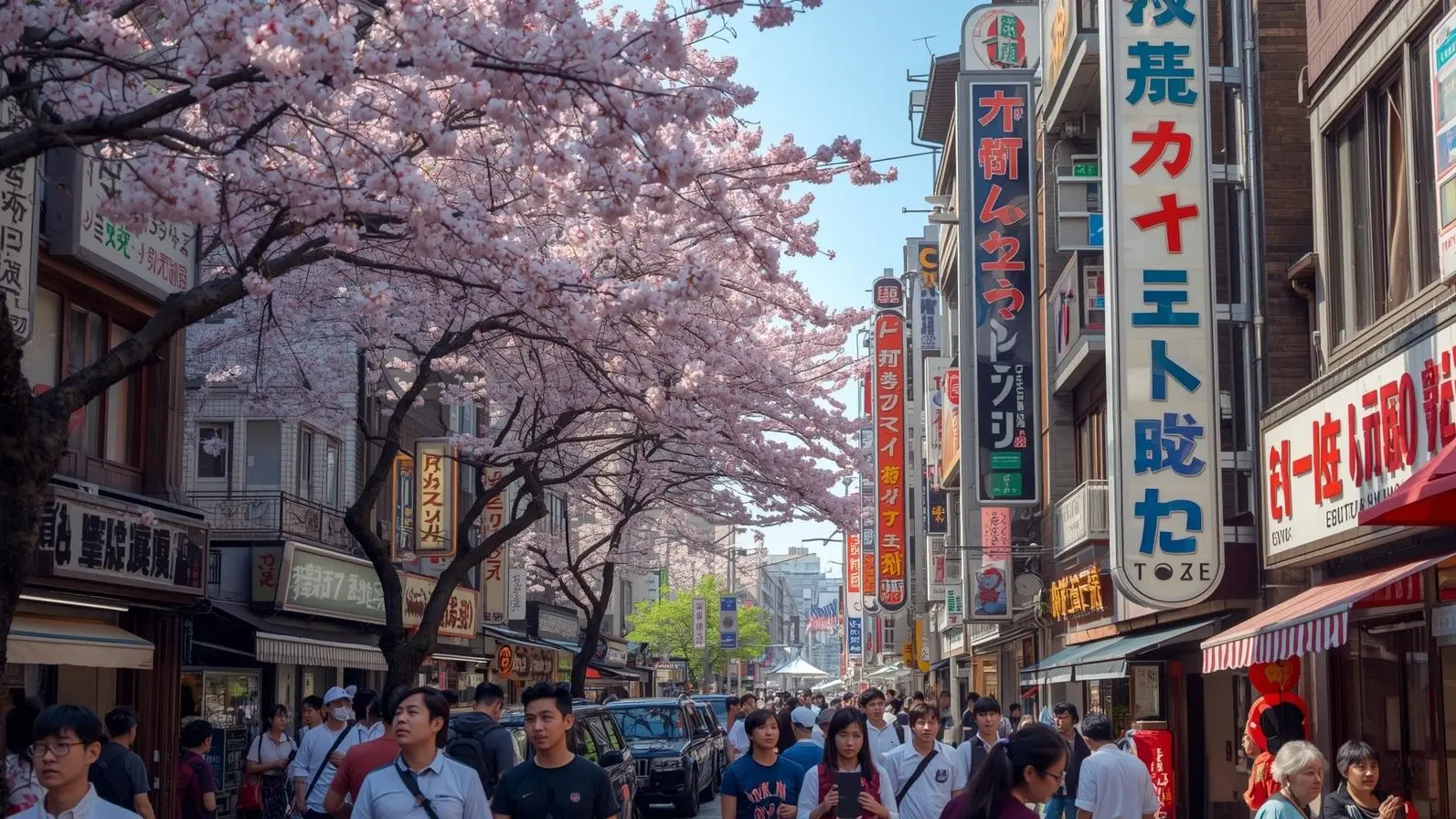
Explore Japan: 7-Day Itinerary from Tokyo to Kyoto and Osaka
Japan is the ideal destination for a brief yet enriching getaway, with its cities offering excellent connectivity, safety, and a blend of rich culture and modern attractions. This week-long itinerary highlights Tokyo, Kyoto, and Osaka, presenting essential landmarks, travel routes, culinary experiences, and a balanced pace for an enjoyable trip.
Why Tokyo, Kyoto, and Osaka are Perfect for a 7-Day Trip
Tokyo embodies modernity with shopping, pop culture, and vibrant neighborhoods, while Kyoto retains Japan’s traditional essence, boasting temples, shrines, and historic districts. Osaka adds to the mix with its renowned street food, nightlife, and a laid-back atmosphere. High-speed trains seamlessly connect these cities, ensuring smooth travel for newcomers.
Day 1: Tokyo Arrival and Local Discoveries
Tokyo is where most international visitors begin their journey. After arriving, settle into your hotel and take a leisurely first day to recuperate. Explore nearby neighborhoods like Shinjuku, Shibuya, and Ueno. Shinjuku is known for its glitzy streets and restaurants, Shibuya showcases the famous crossing and youthful culture, while Ueno offers a quieter vibe with parks and museums. Enjoy a simple dinner with options like ramen or donburi, or even delightful convenience-store meals.
Day 2: Iconic Sites of Tokyo
Reserve the second day for sightseeing in Tokyo’s most famous spots. Begin with Asakusa to visit the historic Senso-ji Temple and stroll through Nakamise Street for traditional snacks. Next, head to Tokyo Skytree for breathtaking views. In the afternoon, explore Harajuku and the serene Meiji Shrine, a peaceful wooded respite amidst the bustling city. Conclude your day in either Shibuya or Shinjuku for shopping and nightlife. Efficient public transport will keep your schedules on track throughout.
Day 3: Personalize Tokyo with Culture or Shopping
Day 3 is your chance to tailor your Tokyo experience. Cultural enthusiasts can visit museums in Ueno, digital art exhibitions, or explore neighborhoods like Yanaka. For shopping enthusiasts, Ginza welcomes luxury seekers while Akihabara caters to fans of anime and electronics. Alternatively, consider a day trip to nearby spots like Nikko or Kamakura. Return to Tokyo in the evening, gearing up for your next adventure.
Day 4: Bullet Train to Kyoto
Traveling from Tokyo to Kyoto via the Shinkansen takes approximately 2 hours and 15 minutes. Early morning trains are recommended to maximize your sightseeing. Check into your hotel and begin exploring local attractions such as the geisha district of Gion, known for its charming wooden architecture. Spend the evening by the Kamogawa River, enjoying a tranquil dinner amidst the scenic backdrop.
Day 5: Embrace Kyoto's Cultural Heritage
Dedicate your entire day to exploring Kyoto’s historical landmarks. Start with Fushimi Inari Shrine and its iconic red torii gates, and continue to Kiyomizu-dera for stunning city views. Stroll the picturesque Higashiyama area, lined with quaint tea houses and souvenir shops, before heading to Kinkaku-ji, the stunning Golden Pavilion. Wrap up your day with a traditional dining experience or a casual meal at an izakaya, savoring Kyoto's slower pace.
Day 6: Discovering Osaka's Vibrant Scene
Osaka is a quick 15 to 30-minute train ride from Kyoto. After arrival, drop off your luggage or check in and jump right into exploration. Start at Osaka Castle, nestled in a sprawling park, then dive into the culinary heart of the city at Dotonbori, famous for treats like takoyaki and okonomiyaki. Spend your evening in lively districts such as Namba or Shinsekai, where the ambiance contrasts with tranquil Kyoto.
Day 7: Final Osaka Highlights Before Departure
Your last day can be tailored to explore any unvisited attractions in Osaka that pique your interest. Theme park enthusiasts can spend the day at Universal Studios Japan, while shoppers can explore Shinsaibashi and Umeda. Cultural aficionados might prefer summits at Sumiyoshi Taisha or local markets for unique offerings. Thanks to its international airport and rail connections, Osaka serves as a convenient departure city.
Optimizing Travel Routes
Traveling from Tokyo to Kyoto is most efficiently done via Shinkansen for comfort and speed. For Kyoto to Osaka, local express trains are frequent, offering affordability. For travelers considering day trips, purchasing regional passes can be advantageous. Additionally, luggage forwarding services can spare you the hassle of carrying heavy bags on trains.
Recommended Accommodations
In Tokyo, opt for Shinjuku, Shibuya, or Ueno for easy access to transport and attractions. In Kyoto, areas near Kawaramachi, Gion, or Kyoto Station are prime for convenience. For Osaka, accommodations surrounding Namba, Umeda, or Shin-Osaka ensure connectivity. Choices span from budget hotels to luxurious ryokans, catering to diverse travel styles.
Must-Try Culinary Experiences
Tokyo is celebrated for sushi, ramen, and diverse international fare. Kyoto is known for elegant kaiseki dinners, matcha-infused sweets, and traditional confections. Osaka shines in street food and laid-back dining options. Convenience stores offer quality meals throughout the cities, enhancing your food adventures.
Budget Considerations for 7 Days
Japan can offer budget-friendly or upscale options. Mid-range travelers can expect reasonable accommodation rates, public transport costs, and food expenses. Casual dining and street food options help manage costs while maintaining quality. Factor in transportation tickets for the Shinkansen as a significant expense, but they save valuable time.
Essential Tips for First-Time Travelers
- Utilize public transport cards for convenient travel.
- Start your day early to beat the crowds.
- Have cash readily available for smaller retailers and temples.
- Show respect for local customs and maintain low noise levels in public.
- Plan luggage arrangements efficiently for easy city transitions.
Why This 7-Day Plan is Effective
This itinerary strikes a harmonious balance of modern experiences, cultural engagement, culinary exploration, and efficient transport. It allows ample time for exploration, ensuring you capture iconic sights within a week. The Tokyo-Kyoto-Osaka triangle delivers a comprehensive introduction to the beauty of Japan.
Disclaimer
This travel guide serves as general information. Always check for up-to-date details regarding transport, costs, and entry regulations before finalizing your travel plans.