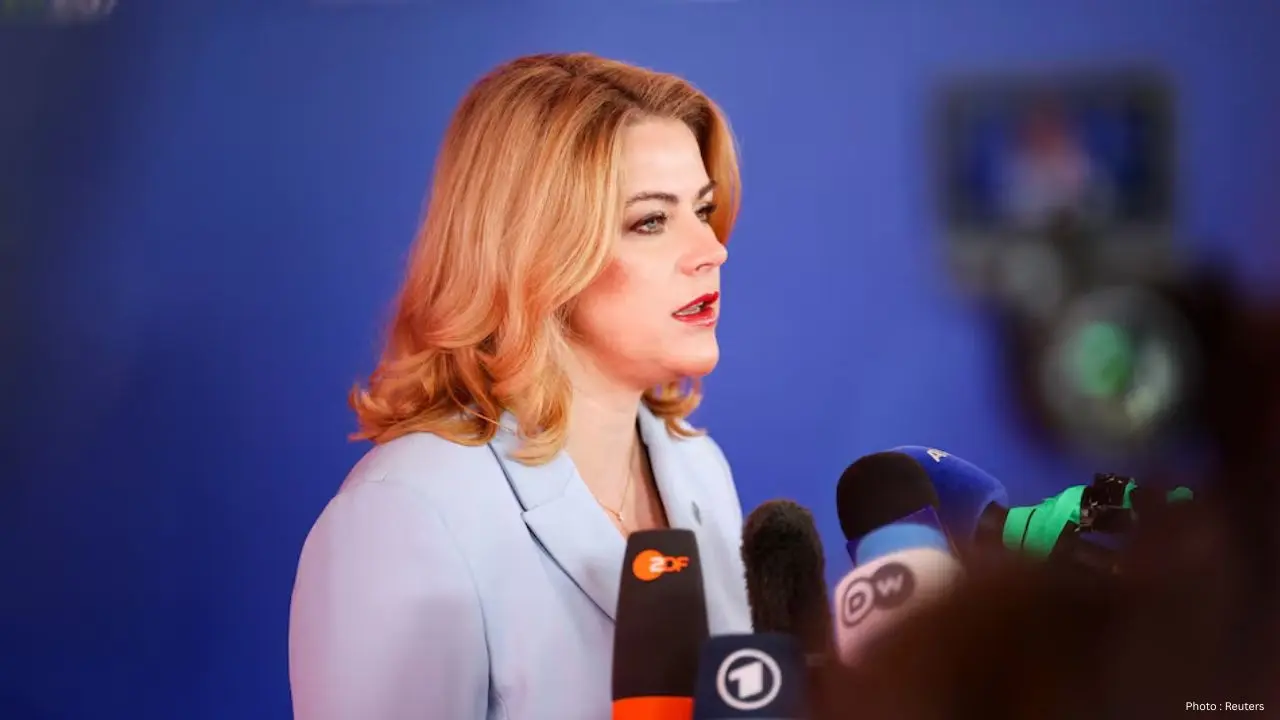
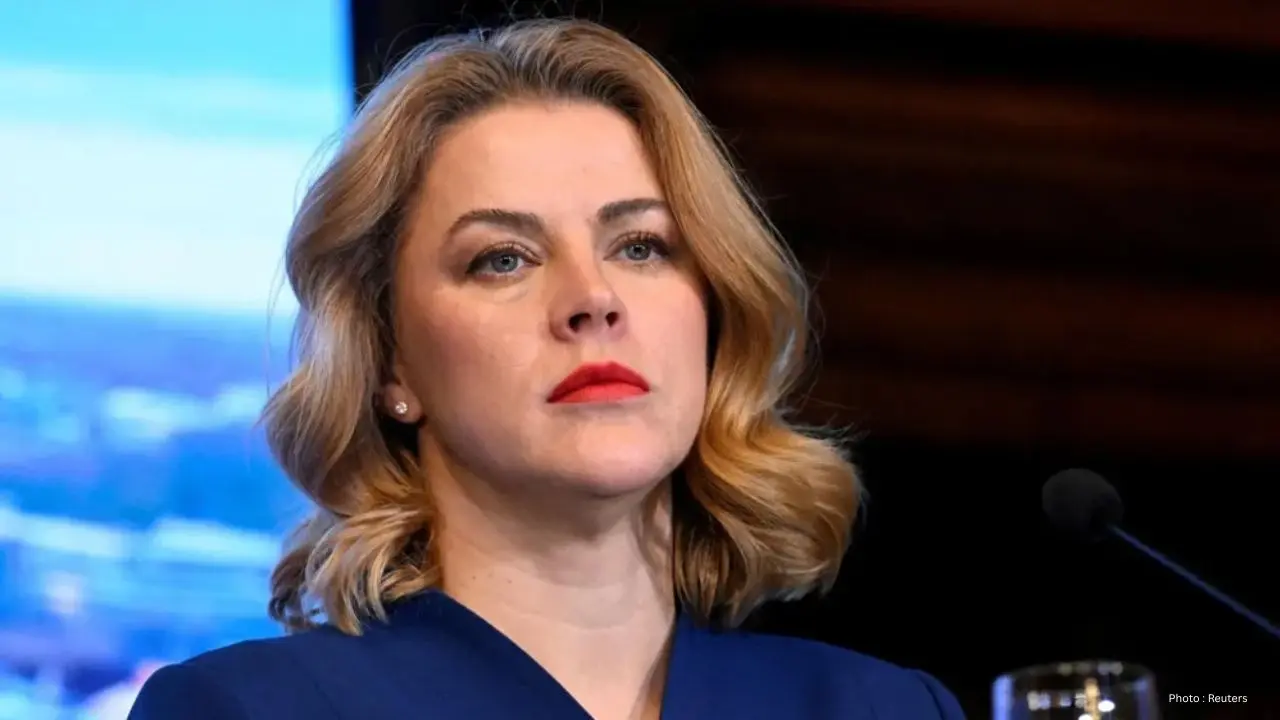
In a notable shift in Latvian politics, Prime Minister Evika Silina has resigned following the disintegration of her coalition government. This development casts a shadow of uncertainty over the Baltic state, already grappling with security threats and rising political pressure as elections loom.
Having taken office in 2023, Silina led a coalition consisting of multiple political factions. However, internal disputes gradually eroded the unity of her government. The political climate was exacerbated by security-related tensions, particularly recent drone incidents near Latvia’s borders.
The incursions by drones into Latvian airspace, which damaged oil storage facilities, raised alarms about the nation’s defense readiness. The government faced backlash regarding its approach to national security, leading to the resignation of Latvia’s Defence Minister, further inflaming tensions within the coalition.
The defense minister’s exit sparked discord among coalition members, with one key partner withdrawing its backing, stripping Silina of her parliamentary majority. This left the government's future precarious, culminating in her resignation.
Political analysts note that this crisis underscores the growing impact of security issues on European governance, particularly for nations close to the backdrop of the Russia-Ukraine conflict, highlighting the urgent need for robust defense mechanisms.
Silina's departure is likely to ignite discussions among political factions regarding the formation of a new administration. Latvia’s president is anticipated to convene with party leaders soon to seek potential solutions. With elections approaching later this year, the atmosphere remains charged.
Experts are cautious about how this resignation could redefine Latvia’s political narrative ahead of voter engagement. Opposition parties might leverage the situation to challenge the government’s ability to tackle security and economic crises, while coalition members may strive to regain public trust.
Silina had cultivated an image as a reform-driven, pro-European leader during her tenure, advocating for enhanced cooperation with European partners and policies focused on growth. Yet, the current crisis reveals the fragile nature of political alliances when unity falters.
The situation in Latvia mirrors broader challenges faced across Europe today, where governments contend with rising defense demands, economic strains, inflation, and public calls for strong leadership. In such times, even minor political rifts can spiral into significant crises.
For the Latvian populace, the immediate concern is stability. Citizens await the outcome of negotiations to see if political leaders can forge a resilient government equipped to address national security, economic challenges, and regional tensions during this turbulent chapter for Europe.