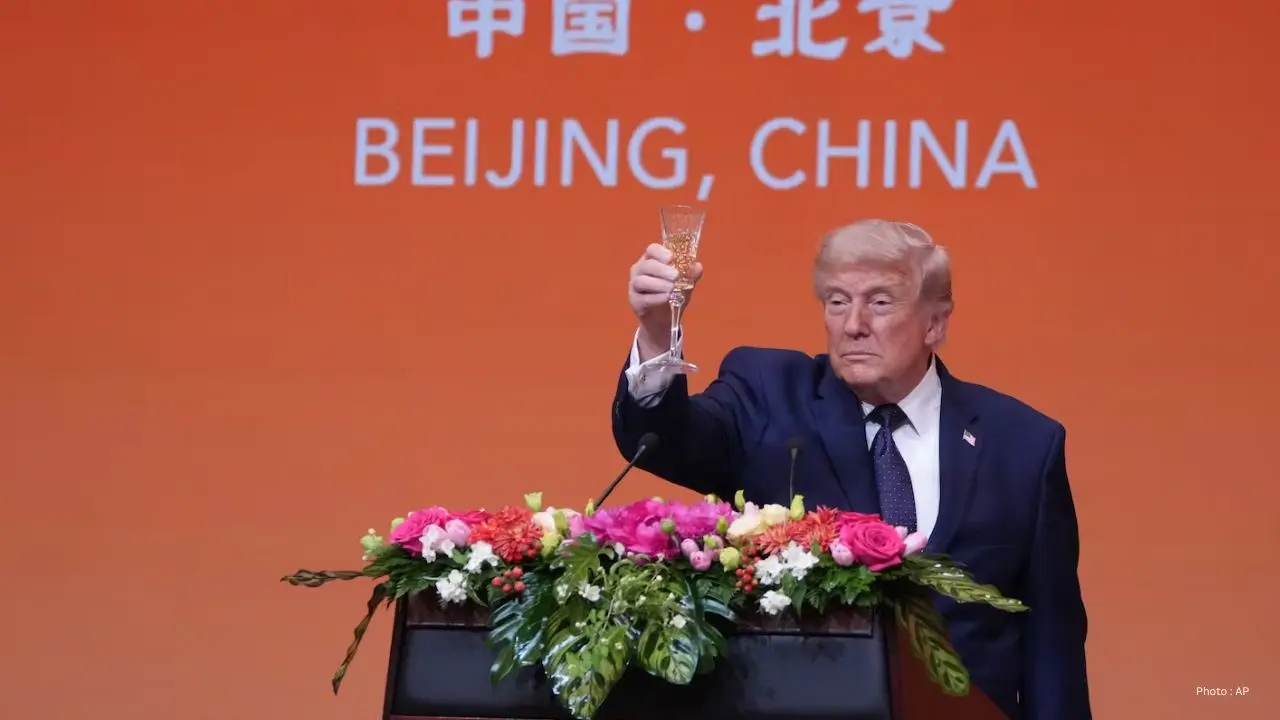
Chinese President Xi Jinping warned U.S. President Donald Trump that growing disagreements over Taiwan could potentially lead to serious conflict between China and the United States, highlighting one of the most dangerous flashpoints in global politics. The warning came during high-level discussions between the two leaders as tensions continue rising across the Indo-Pacific region.
According to officials familiar with the summit discussions, Xi stressed that Taiwan remains a “core national interest” for China and said Beijing would not tolerate any actions supporting Taiwanese independence. Chinese leaders have repeatedly stated that reunification with Taiwan is a national priority and warned foreign governments against interfering in what Beijing considers an internal matter.
Xi reportedly cautioned Trump that continued military cooperation, political engagement, or strategic support between Washington and Taiwan could push relations toward direct confrontation. Chinese officials emphasized that the Taiwan issue represents the most sensitive area in U.S.-China relations.
Trump acknowledged the importance of maintaining stability while also reaffirming America’s long-standing strategic interests in the Indo-Pacific region. U.S. officials continue supporting Taiwan through arms sales, military cooperation, and unofficial diplomatic ties under the Taiwan Relations Act.
Taiwan has become increasingly central to global geopolitical tensions in recent years. China has expanded military exercises near the island, sending fighter jets, naval vessels, and surveillance aircraft into areas surrounding Taiwanese territory. Beijing argues these operations are necessary to defend national sovereignty and discourage independence movements.
The United States and its allies, however, view China’s growing military pressure around Taiwan as a major regional security concern. American naval patrols and military partnerships in the Indo-Pacific have increased as Washington attempts to reassure allies and maintain freedom of navigation in the region.
Political analysts say Xi’s warning reflects Beijing’s growing frustration with expanding U.S.-Taiwan cooperation. American lawmakers and officials have increased contact with Taiwanese leaders in recent years, while the United States has approved additional military equipment and defense support for Taipei.
Taiwan’s government strongly rejects China’s territorial claims and maintains that the island’s future should be decided democratically by its own people. Taiwanese officials have repeatedly warned that Beijing’s military pressure threatens regional peace and stability.
The Taiwan issue carries enormous international importance because any military conflict involving the island could severely disrupt global trade, technology production, and international shipping routes. Taiwan is home to some of the world’s most advanced semiconductor manufacturing companies, making the island critical to global technology supply chains.
The warning from Xi came during broader discussions covering trade tensions, artificial intelligence, tariffs, cybersecurity, and economic competition between the world’s two largest economies. Although both governments continue communicating diplomatically, strategic rivalry between Washington and Beijing remains intense.
Experts say both China and the United States are trying to avoid direct military confrontation while simultaneously strengthening their strategic positions in Asia. However, miscalculations, military incidents, or political escalation surrounding Taiwan remain among the biggest risks facing international security.
Global markets and international allies are closely monitoring U.S.-China relations because worsening tensions could affect economic stability worldwide. Countries across Asia, Europe, and the Pacific region remain concerned about the possibility of conflict involving Taiwan and its impact on global trade and regional security alliances.
Some analysts believe diplomatic communication between Trump and Xi remains important for reducing misunderstandings and preventing escalation even when major disagreements continue. Others warn that rhetoric surrounding Taiwan is becoming increasingly aggressive on both sides.
As geopolitical competition between China and the United States continues growing, Taiwan remains at the center of a broader struggle involving military power, economic influence, technology leadership, and regional dominance in the Indo-Pacific.
Xi’s warning during the summit demonstrated how deeply the Taiwan issue now shapes the future of U.S.-China relations and why many experts consider it one of the most dangerous diplomatic challenges facing the world today.