Your Comprehensive Guide to Winter Travel in Iceland: Safety, Gear & Road Tips
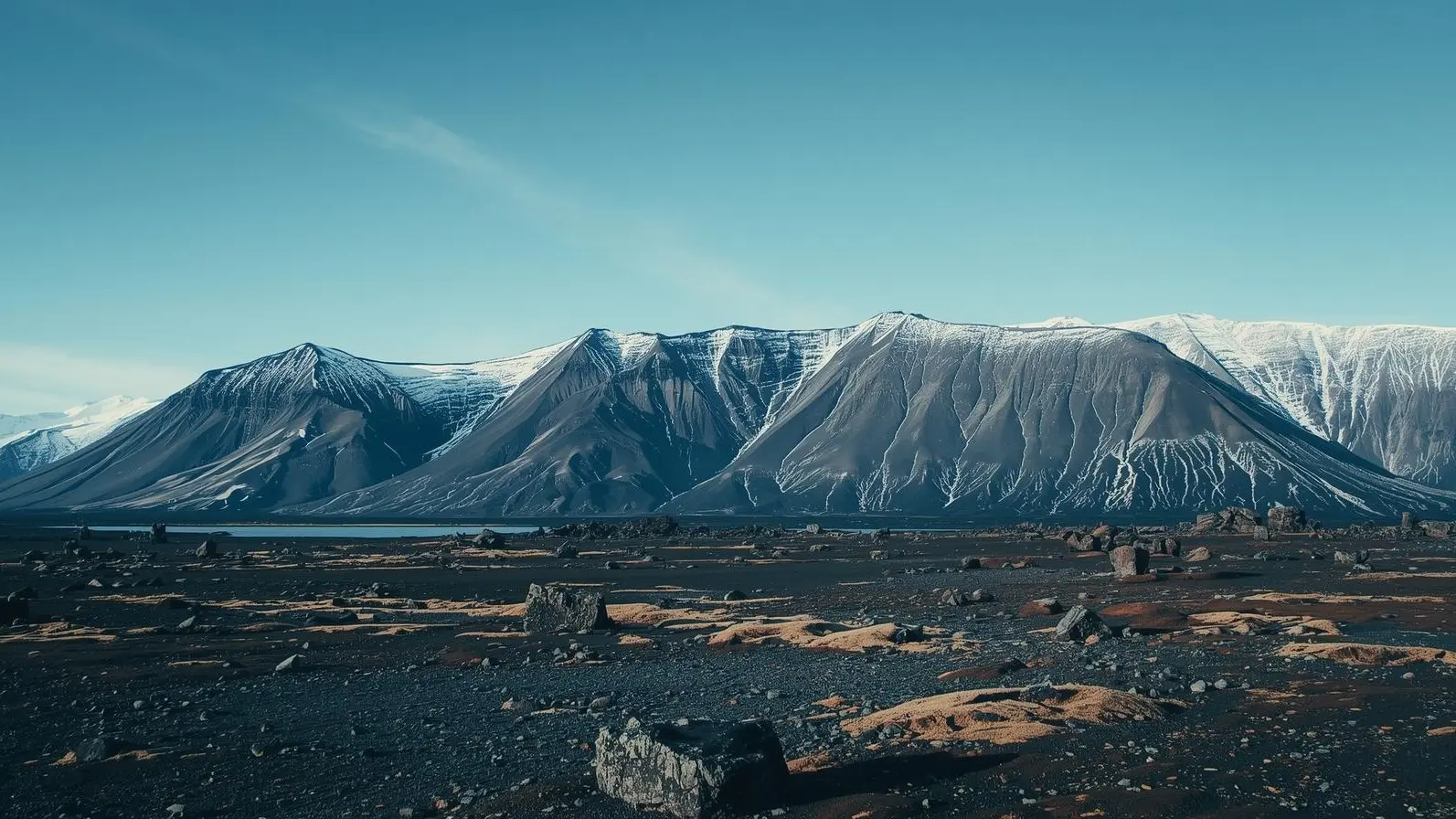
Experiencing Iceland in winter is enchanting yet challenging. The snowy vistas, cascading frozen waterfalls, mesmerizing northern lights, and tranquil atmosphere create a unique allure. However, the harsh weather conditions, restricted daylight hours, and tricky road situations necessitate thorough preparation. This checklist-style guide offers insights into everything you need to know before your winter adventure in Iceland, emphasizing road safety, appropriate clothing, practical travel tips, and more, allowing you to relish the journey with confidence.
Assessing Winter Conditions in Iceland
Iceland's winter months span from November to March, occasionally extending into April. Temperatures range from -1°C to 5°C, but the wind chill can make it feel significantly colder. Snowfall is variable depending on the region, and unpredictable weather shifts are common. Be especially mindful of daylight limitations in December and January when daylight may only be available for four to five hours.
Winter Road Conditions in Iceland
Roads can become icy and snow-laden during winter. Key routes such as Route 1, known as the Ring Road, are typically kept clear; however, conditions can deteriorate quickly due to strong winds and snow accumulation. Many mountain paths and highland routes may be completely inaccessible during the winter months.
Driving in these conditions demands both skill and caution. Black ice is a frequent hazard, particularly on bridges and shaded spots. High winds can disrupt vehicle stability, especially for larger vehicles. Always check the daily road updates before setting off and be ready to adjust your plans.
Driving Safety for Tourists in Winter
Winter driving can be safe with the right preparation and flexibility. If icy roads or scant daylight unsettles you, consider guided tours as a safer alternative. Tour operators will closely monitor weather developments and tweak itineraries as needed. For those opting to drive themselves, it’s wise to plan shorter trips and steer clear of night-time driving whenever possible.
Critical Winter Clothing Checklist
The right clothing is perhaps the most crucial aspect of ensuring comfort and safety during an Icelandic winter. Layering is vital due to the varying weather conditions and indoor heating.
A windproof and waterproof outer jacket is essential. A thermal base layer aids in body heat retention. Insulated mid-layers like fleece or down jackets ensure warmth. Waterproof trousers shield against snow and wet elements. Thermal socks are important for keeping feet warm, and it’s advisable to carry spare pairs.
Sturdy, insulated waterproof boots with good grip are necessary for navigating snowy and icy terrain. Insulated, windproof gloves and a warm hat that covers the ears are indispensable. A neck gaiter or scarf is also crucial for shielding against the cold winds.
Importance of Waterproof Gear Over Bulky Clothing
The cold in Iceland often coincides with moisture from snow, rain, or sleet. Staying dry is far more critical than layering on thick clothes. Wet garments lead to increased heat loss and discomfort. Instead, opt for waterproof outer layers paired with insulating inner garments to ensure optimal protection.
Choosing Proper Footwear and Ice Safety
Many walking routes, parking lots, and attractions can become slippery during winter. Footwear lacking proper traction raises the risk of falls and injuries. Boots with enhanced grip are recommended; some travelers choose to carry removable ice cleats for better footing on icy terrains, particularly near waterfalls.
Winter Driving Safety Essentials
If you’re planning to drive, renting a four-wheel-drive vehicle is highly recommended. Winter tires are essential in Iceland during these months and are included in rental agreements. Keep headlights on at all times, even in daylight.
Always have a fully charged mobile device, a charger for your vehicle, and emergency contact details on hand. It’s wise to inform someone of your planned route, especially if you're venturing into remote areas. Fuel stations can be sparse in rural locations, so refuel whenever possible.
Monitoring Weather and Staying Flexible
Weather in Iceland can change quickly. Storms may cause road closures with minimal forewarning. Always check weather forecasts and road updates before embarking on your journey. Incorporating buffer days into your travel plans will help accommodate any weather-related setbacks.
Avoid driving amidst severe weather advisories. Ignoring these warnings can lead to accidents and perilous situations that may necessitate costly rescues.
Winter Daylight Planning
Limited daylight presents a significant challenge in winter months. During December, daylight may span from roughly 11:30 AM to 3:30 PM. Organize your sightseeing during these hours and steer clear of tightly scheduled itineraries. Prioritize photography, scenic drives, and outdoor activities during the available daylight.
Tips for Viewing the Northern Lights
Winter is undoubtedly the prime season for witnessing the northern lights. Clear skies and reduced light pollution amplify your chances. Daily checks on aurora forecasts and cloud coverage are advisable. Dress warmly and prepare to spend prolonged periods outdoors while waiting.
First-time visitors are encouraged to consider northern lights tours, as they include guides who are adept at monitoring weather conditions to maximize viewing opportunities.
Accommodation Choices for Winter Travelers
Selecting well-located lodging mitigates travel hazards. Opt for hotels or guesthouses situated near main roads rather than secluded areas where driving conditions could worsen. Numerous accommodations provide heating, blackout curtains, and even aurora wake-up calls.
Choosing flexible cancellation policies can be beneficial should the weather necessitate itinerary alterations.
Food and Supplies Considerations
In winter, restaurants and grocery stores may operate on reduced hours, particularly outside of Reykjavik. When traveling long distances, carry snacks and water. Enjoying hot meals and beverages aids in maintaining body warmth during outdoor excursions.
Health and Personal Safety in Winter
Cold conditions elevate the risks of dehydration, fatigue, and frostbite. Stay hydrated even when you don’t feel thirsty, and take breaks to warm up indoors. Avoid unstable ice near rivers, coastal areas, and cliffs.
Travel insurance that covers winter-related activities, weather delays, and medical emergencies is essential.
Guided Tours vs Self-Driving in Winter
Winter tours provide safety and convenience, especially for activities like glacier hikes, ice cave explorations, and northern lights spotting. Self-driving offers flexibility but requires experience and careful consideration. Many travelers find a balanced approach beneficial, opting for guided tours for challenging outings and self-driving for manageable distances.
Avoiding Common Winter Travel Pitfalls
Underestimating weather conditions can lead to pressured itineraries and unsafe driving. Non-waterproof shoes can result in discomfort and injuries. Neglecting weather advisories can disrupt your trip. Excessive planning without buffer days can heighten stress.
Optimal Winter Months for Visiting Iceland
November and March offer a mix of stunning winter scenery and increased daylight. December and January provide a quintessential winter ambiance but come with reduced daylight. February is ideal for catching the northern lights, boasting slightly longer days.
Iceland's winter beauty is extraordinary — yet it demands respect for nature and meticulous planning. With the right attire, practical itineraries, awareness of road conditions, and a focus on safety, your winter adventure can be truly unforgettable. Preparation isn’t optional in Iceland’s winter; it’s crucial for safely enjoying its raw beauty.
Disclaimer
This information serves only for reference. Weather, road situations, and safety protocols in Iceland can change swiftly. Always check official updates before and throughout your journey.