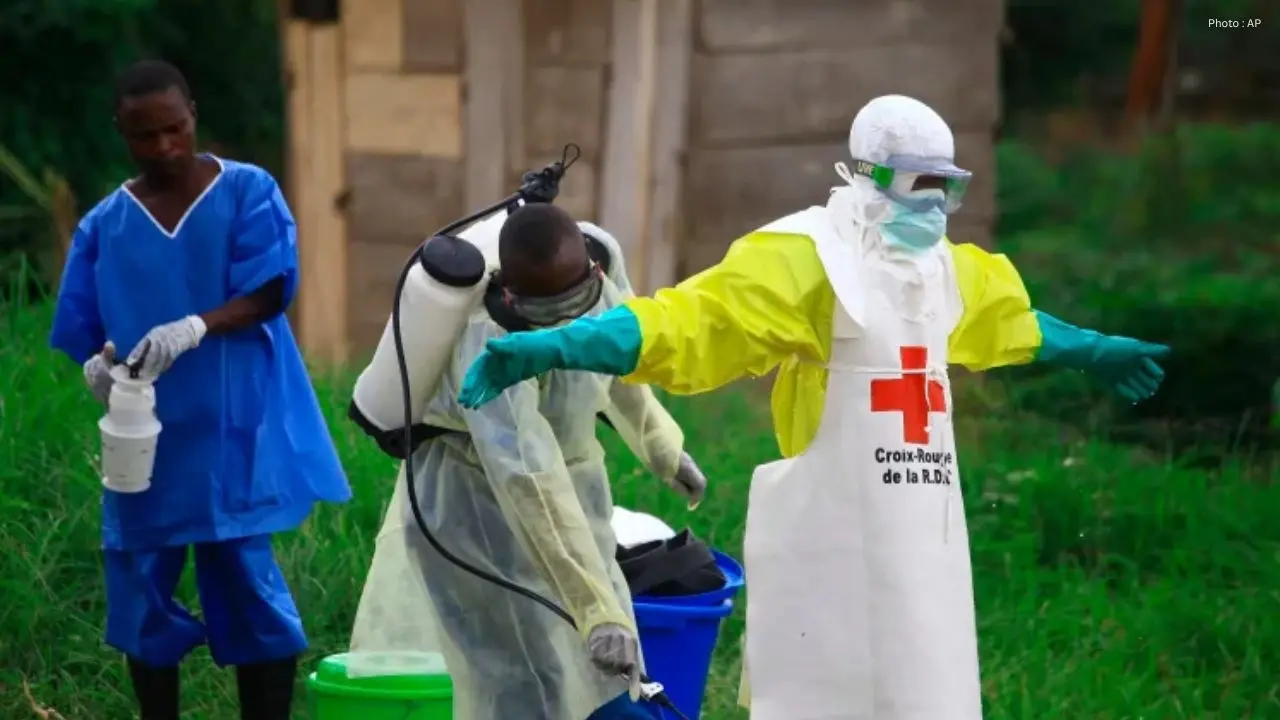
Health officials and humanitarian organizations are warning that the Ebola response in eastern Democratic Republic of the Congo is facing serious challenges because of weak healthcare systems, public mistrust, armed violence, and growing insecurity in affected regions. Experts say these problems are slowing efforts to control the outbreak and increasing fears that the deadly virus could spread further across the region.
The latest Ebola outbreak has mainly affected eastern areas of DR Congo, where healthcare infrastructure has already been damaged by years of conflict, poverty, and political instability. Many rural clinics lack basic medical supplies, trained healthcare workers, proper isolation units, and reliable transportation systems. Humanitarian groups say some health centers are overcrowded and struggling to handle rising numbers of suspected Ebola patients.
Medical teams working in the region say insecurity remains one of the biggest obstacles to controlling the outbreak. Armed groups continue operating in several affected areas, making it dangerous for doctors, nurses, and emergency workers to travel safely between communities. In some cases, treatment centers and health teams have reportedly faced attacks, threats, or forced evacuations due to violence in the region.
Public mistrust has also become a major concern for health officials. Some local residents remain suspicious of government authorities and international aid organizations because of past political tensions, misinformation, and fear surrounding Ebola treatment programs. Health workers say false rumors about the virus and vaccines have caused some families to hide sick relatives or avoid medical treatment completely.
The World Health Organization and other humanitarian agencies have warned that delayed reporting of infections makes it more difficult to trace contacts and stop transmission chains. Experts say rapid testing, isolation, and contact tracing are essential during Ebola outbreaks because the virus spreads through direct contact with infected bodily fluids.
Local healthcare workers are also facing exhaustion after working under extremely difficult conditions for long periods. Many hospitals and clinics are operating with limited staff while trying to manage Ebola cases along with other serious diseases such as malaria, cholera, and measles. Humanitarian organizations say the healthcare system in eastern Congo remains under severe pressure.
International aid agencies continue sending medical teams, protective equipment, vaccines, and emergency funding to support the outbreak response. Vaccination campaigns are ongoing in several high-risk communities, while border screening and public awareness programs have also been expanded to reduce the risk of wider regional spread.
However, experts warn that controlling Ebola will remain difficult unless security conditions improve and local communities build greater trust in healthcare workers. Public health specialists say community cooperation is critical because fear and misinformation can quickly weaken emergency response efforts during outbreaks.
The Ebola virus is one of the world’s deadliest infectious diseases and can cause severe fever, bleeding, organ failure, and death in many cases if untreated. Previous Ebola outbreaks in DR Congo and West Africa caused thousands of deaths and created major international health emergencies.
Despite the ongoing challenges, health officials say emergency teams are continuing their work to contain the outbreak and prevent further infections. International organizations have urged stronger global support for Congo’s healthcare system, warning that long-term investment in hospitals, training, and public health infrastructure will be necessary to improve future outbreak responses.