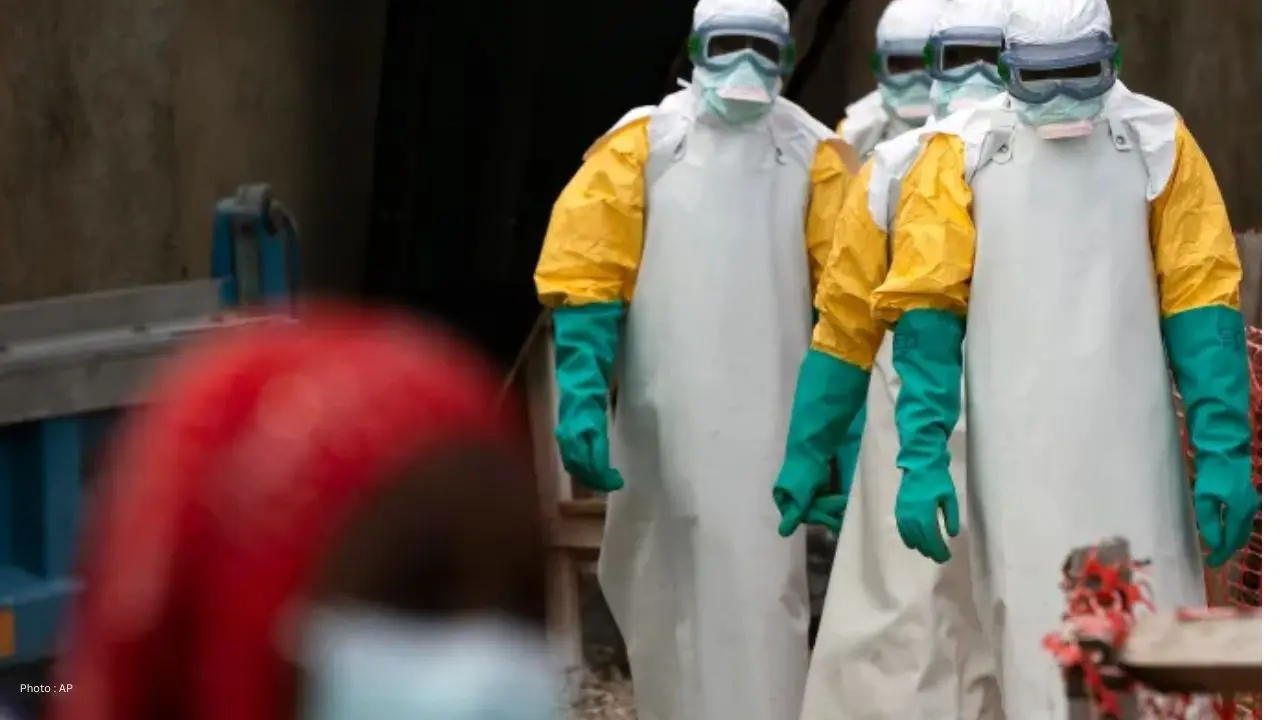
A deadly Ebola outbreak in Democratic Republic of the Congo has triggered major health concerns across Central Africa after officials confirmed at least 65 deaths linked to the virus. Health authorities are now increasing emergency measures and cross-border monitoring to prevent the disease from spreading into neighbouring countries as fears grow over regional transmission risks.
According to Congolese health officials and international medical agencies, the outbreak has affected several remote areas where healthcare systems are already under pressure from conflict, poor infrastructure, and limited medical resources. Doctors and emergency response teams are working to identify infected patients, isolate confirmed cases, and trace individuals who may have come into contact with the virus.
The Ebola virus is one of the world’s most dangerous infectious diseases and can spread through direct contact with infected bodily fluids, contaminated surfaces, or infected animals. Symptoms often begin with fever, weakness, muscle pain, headaches, and sore throat before progressing into vomiting, internal bleeding, and severe organ failure in serious cases. Medical experts warn that Ebola outbreaks can spread quickly if early containment measures fail.
Health officials said the current outbreak has already forced authorities to strengthen border screening operations in nearby countries, including Uganda, Rwanda, and South Sudan. Airports, border crossings, and regional transport routes are now under closer medical monitoring as governments attempt to stop cross-border infections. Travellers entering affected regions are being checked for symptoms, while emergency medical teams remain on standby.
The World Health Organization and international aid agencies have also increased support for Congo’s response operations. Medical workers are distributing protective equipment, improving testing systems, and launching public awareness campaigns in vulnerable communities. Vaccination programs are also being expanded in high-risk areas where possible, although difficult terrain and security concerns continue slowing some response efforts.
Officials say one of the biggest challenges is reaching remote villages where healthcare access remains limited. In some communities, fear, misinformation, and distrust of authorities have made it harder for health workers to identify infected people quickly. Aid organizations are now working with local leaders and community groups to improve public understanding about how the virus spreads and why early treatment is important.
The outbreak has also raised concerns about the economic impact on nearby countries. Border trade, transportation, and local businesses in affected regions may face disruptions if stricter travel controls become necessary. Some neighbouring governments have already started preparing emergency health centres near border regions in case infections spread further.
Medical experts say Congo has faced multiple Ebola outbreaks over the past several decades, making the country one of the regions most familiar with fighting the disease. However, specialists warn that each outbreak remains dangerous because Ebola has a high fatality rate and can place enormous pressure on already weak healthcare systems.
International health agencies are continuing to monitor the situation closely while supporting containment operations inside Congo. Officials stressed that rapid testing, isolation of patients, vaccination campaigns, and cross-border cooperation will be critical in preventing the outbreak from turning into a larger regional health emergency.
Authorities have urged residents in affected areas to report symptoms quickly, avoid direct contact with infected individuals, and follow official health guidance as emergency teams continue working to stop the spread of the deadly virus.