China has called for a permanent ceasefire in West Asia and demanded the urgent reopening of major international shipping lanes as tensions continue affecting global trade, oil markets, and regional security. Chinese officials said lasting peace and stable maritime routes are necessary to prevent further economic damage and reduce the risk of a wider international crisis.
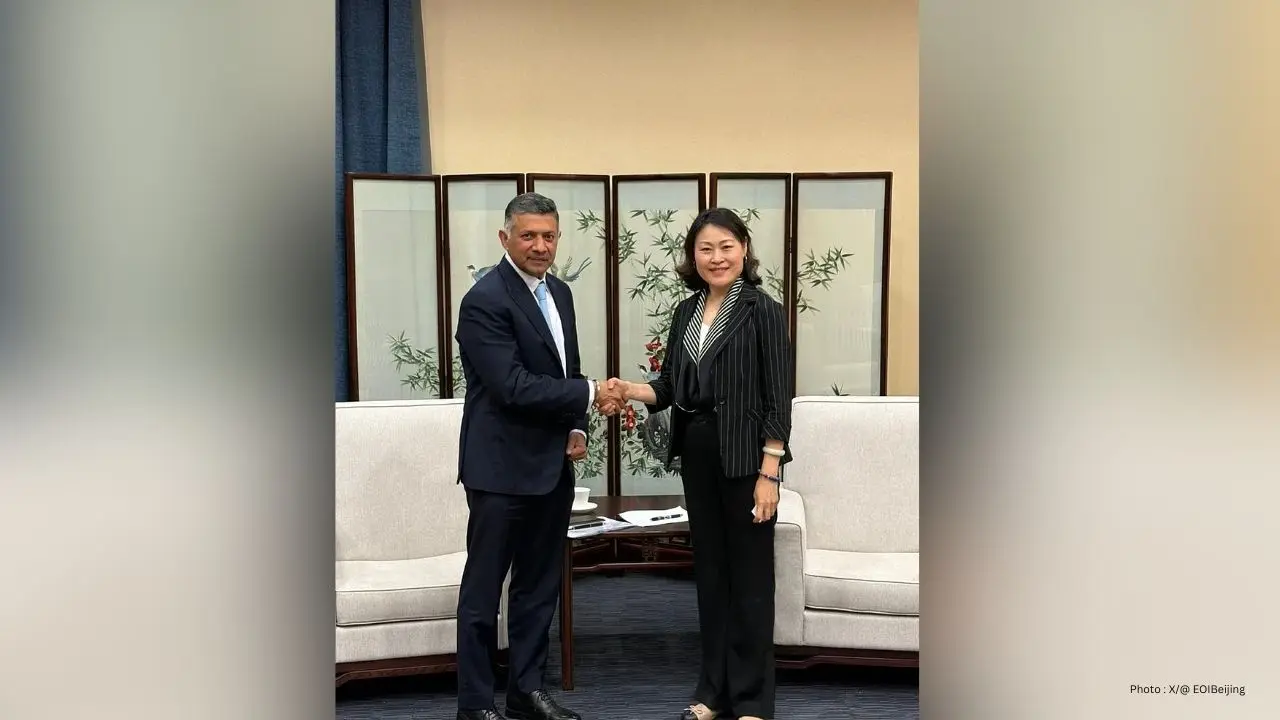
The statement came during high-level diplomatic discussions involving Chinese leaders and international officials as concerns continue growing over conflicts affecting the Middle East region. According to China’s Foreign Ministry, Beijing supports a “comprehensive and permanent ceasefire” instead of temporary pauses in fighting. Chinese officials argued that only long-term political dialogue and diplomacy can restore stability in the region.
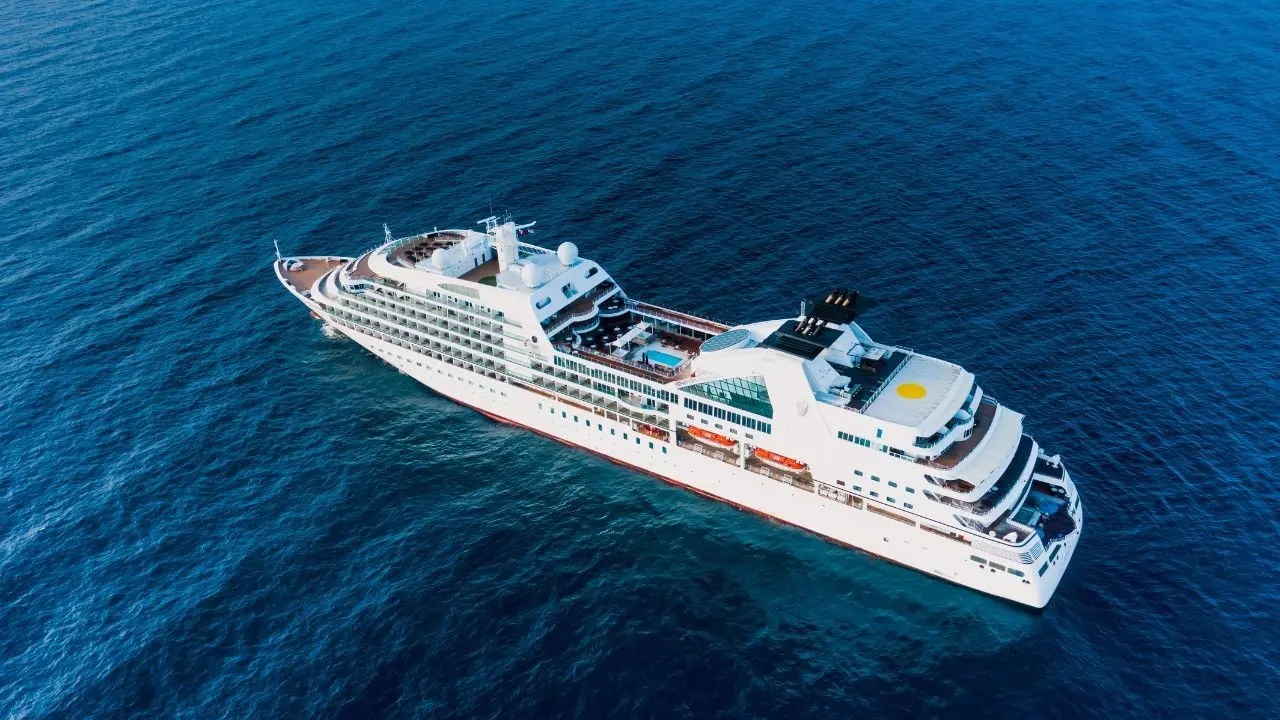
China also stressed the importance of reopening major shipping lanes “as soon as possible,” especially routes connected to the strategically important Strait of Hormuz and Red Sea region. These waterways are considered some of the world’s most important trade corridors because large amounts of global oil, gas, and commercial goods pass through them every day.
The ongoing regional conflict has already caused major disruptions to maritime trade and international energy markets. Shipping companies have faced rising insurance costs, delayed cargo deliveries, and security threats linked to attacks on commercial vessels and naval tensions in the Gulf region. Several global shipping operators have reportedly reduced or suspended routes passing through high-risk areas because of safety concerns.
Chinese officials warned that prolonged instability in West Asia could seriously affect the global economy, especially developing countries that depend heavily on imported energy and stable trade routes. Beijing said freedom of navigation must be protected and called on all sides to avoid actions that could increase military tensions or threaten commercial shipping.
The comments come during a period of rising international concern over the security of the Strait of Hormuz, where regional tensions linked to Iran, Israel, and the United States have disrupted normal maritime activity in recent months. Reports indicate that shipping traffic through parts of the Gulf region has dropped sharply during periods of military escalation, creating pressure on oil prices and global supply chains.
China has positioned itself as a supporter of diplomatic solutions and multilateral negotiations in the Middle East. Analysts say Beijing’s growing involvement reflects both its economic interests and its increasing political influence in the region. China depends heavily on Middle Eastern oil imports, making stable shipping routes extremely important for its economy and energy security.
International observers believe China’s latest statement is also part of broader efforts to present itself as a global diplomatic power capable of helping reduce international conflicts. In recent years, Beijing has expanded political and economic partnerships across the Middle East while encouraging negotiations instead of military confrontation.
Meanwhile, global markets continue closely watching developments in the Gulf region because any long-term disruption to shipping lanes could affect fuel prices, inflation, and international trade. Energy experts say the Strait of Hormuz alone handles a major share of the world’s oil exports, making it one of the most strategically important waterways in the global economy.
Chinese officials said dialogue, ceasefire agreements, and international cooperation remain the only realistic path toward restoring regional stability. Beijing also repeated calls for all parties to avoid escalation and work together to reopen critical shipping routes to support economic recovery and global trade security.