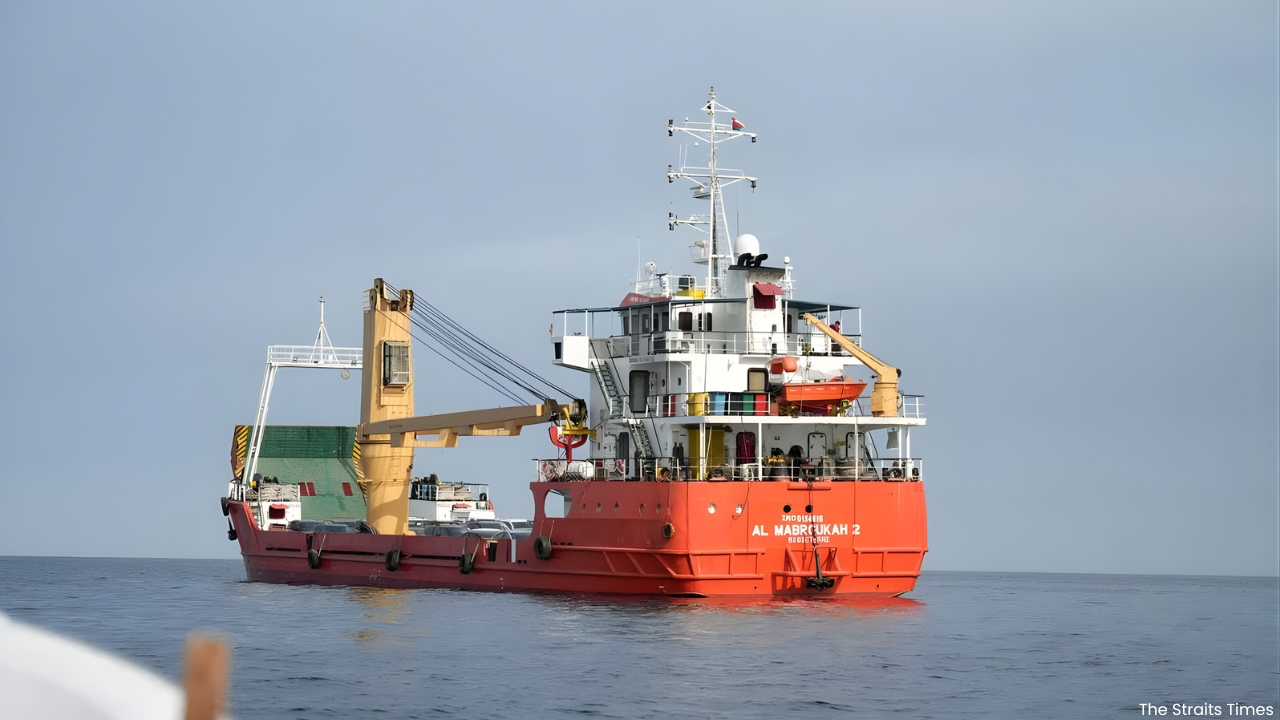
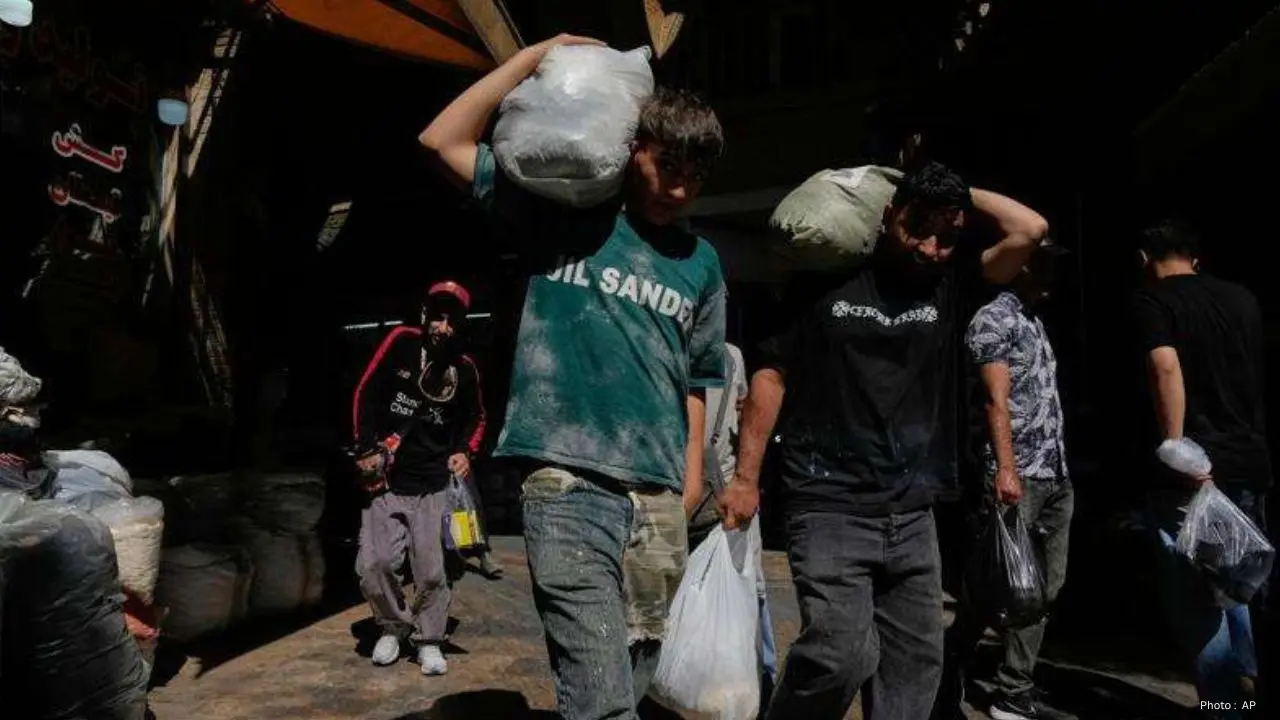
Photo : X / The Straits Times
The ongoing conflict between the US and Iran has escalated notably, as the United States enforces a strategic blockade on Iranian ports. This initiative has immediate repercussions for global shipping and energy markets, especially given the existing strains on international trade networks. While the Gulf region has been a theater for military maneuvers before, this blockade marks a significant shift in tactics, prompting shipping operators and logistics experts to adapt their risk management strategies rapidly, even as oil prices stabilize unexpectedly.
Analysts interpret this blockade as a strategic effort to limit Iran's oil exports without engaging in large-scale military action. By redirecting attention to key maritime routes, the US seeks to undermine Iran's economic foundation and manipulate economic conditions through maritime control—a tactic increasingly common in geopolitical strategies today.
Nonetheless, the blockade holds substantial risks, particularly in the sensitive Strait of Hormuz, a crucial point for global maritime traffic. Disruptions here could have wide-reaching consequences, affecting international energy supply chains and escalating the situation into a worldwide issue that transcends regional boundaries.
Interestingly, despite the tension, global oil prices have shown signs of easing. This could indicate a cautious optimism among market players regarding potential diplomatic solutions, suggesting that stakeholders are still banking on negotiations to defuse the situation.
For transport operators, this blockade provides a temporary reprieve. Lower fuel prices could alleviate some financial stresses for airlines and shipping firms; however, looming uncertainties remain. The risk of escalating conflict remains high, which could prompt a sharp uptick in costs.
Maritime logistics are experiencing the immediate brunt of this blockade. Shipping companies are investigating alternative routes, leading to longer transit times and increased costs. Insurance rates for vessels cruising in affected areas are anticipated to increase significantly due to heightened risks.
The domino effect on global supply chains is significant. Industries dependent on timely transportation—such as manufacturing and automotive—may suffer disruptions that could impact production cycles. Ports outside the conflict zones may experience congestion as shipping patterns shift, complicating logistics even further.
The aviation industry faces challenges too, with airspace restrictions and security escalations potentially leading to rerouted flights, elevated fuel consumption, and prolonged travel times, thereby complicating global transit operations.
This blockade encapsulates a larger geopolitical rivalry for supremacy and stability in the Middle East. While it signals a firm approach from the US, the simultaneous dip in oil prices implies that back-channel diplomatic negotiations are still unfolding. This dual nature of military action and potential negotiations creates an unpredictable scenario for the global community.
The blockade underscores the increasing significance of maritime strategy in global politics. As international trade relies heavily on sea routes, control over these pathways is becoming pivotal within global relations. This Iran blockade starkly illustrates how swiftly geopolitical clashes can lead to economic and logistical challenges.
Going forward, the global community stands at a critical point. Decisions made in the upcoming weeks will significantly influence the trajectory of international trade and transport. Should dialogue prevail, this blockade could prove a minor setback, reinforcing the value of diplomatic engagement. Conversely, any escalation may lead to prolonged disruptions, characterized by fluctuating markets and changing trade routes.
For sectors embroiled in transport and logistics, agility will be vital. Those able to pivot quickly, diversify their routes, and effectively manage risk will navigate these uncertainties more successfully. Ultimately, this situation serves as a poignant reminder that in a globally connected world, the flow of goods, energy, and people is fundamentally intertwined with the dynamics of power.