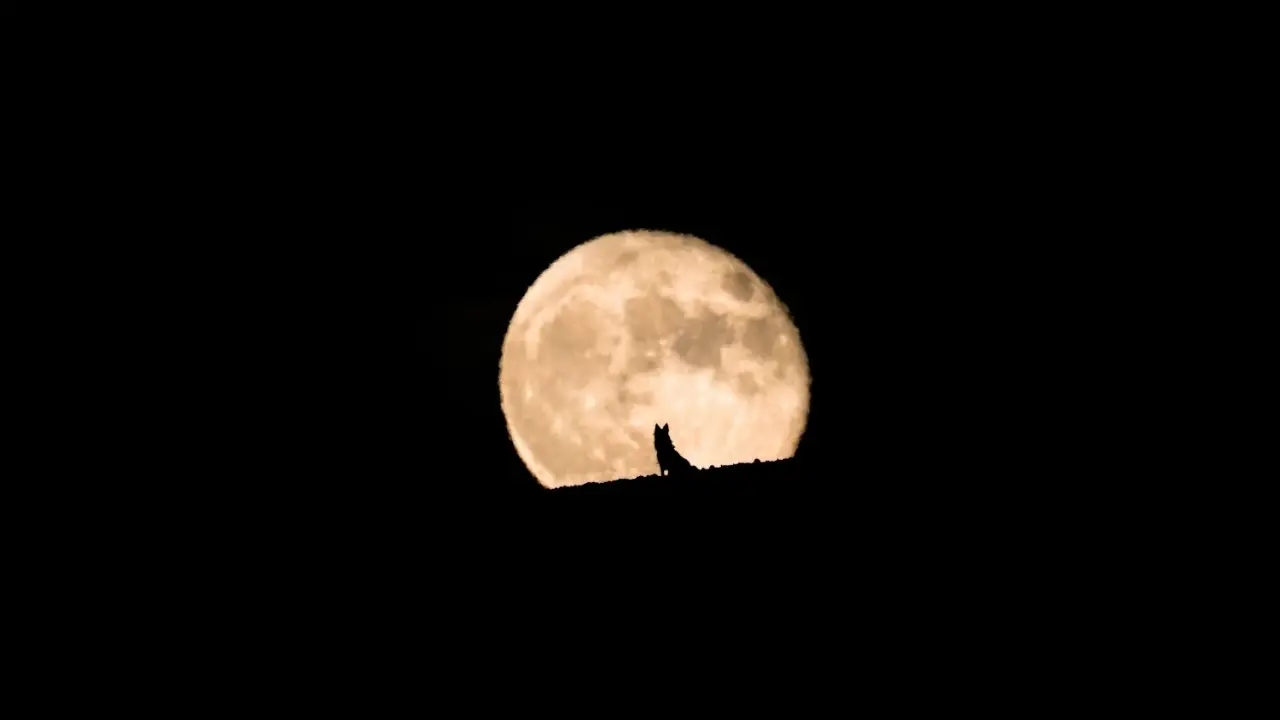
A Stunning Start to 2026
Get ready for a visual delight as the first full moon of 2026 rises this evening. Dubbed the Wolf Moon, this January full moon also qualifies as a supermoon, creating an exciting astronomical spectacle. Sky enthusiasts, photographers, and onlookers will enjoy witnessing the Moon in its most magnificent form—large, bright, and captivating against the cold winter sky.
Historically, the Wolf Moon symbolizes survival, seasonal transformations, and the depths of winter. This year's supermoon adds a fascinating element, merging ancient traditions with contemporary celestial interest.
Understanding the Wolf Moon
Origins of the Name
The term “Wolf Moon” derives from age-old naming customs associated with the lunar cycle. Indigenous peoples and early settlers employed names for full moons as a guide for tracking seasons and agricultural cycles. This January moon received its name from the howling of wolves, which resonated through towns during the harsh winter as food supplies dwindled.
Wolves howl throughout the year, but their cries become more pronounced in winter due to tranquil surroundings and extended nights, further linking January's moon to these creatures.
More Than a Name
While the name is more folkloric than scientific, it remains popular today. Modern astronomy embraces these traditional titles as a bridge between celestial phenomena and human cultural heritage.
What Makes January’s Full Moon a Supermoon?
Defining a Supermoon
A supermoon occurs when a full moon aligns with the Moon’s closest point to Earth, known as perigee. At this time, the Moon appears significantly larger and brighter than an ordinary full moon.
In January 2026, the Wolf Moon reaches this near-Earth proximity, making it the first supermoon of the year.
Visual Magnitude
To the naked eye, the supermoon can appear up to 7% larger and about 15% brighter than a standard full moon. The difference may be subtle without reference points; however, viewing it near the horizon against buildings, trees, or mountains can enhance its perceived size.
Optimal Viewing of the Wolf Moon
Best Times for Viewing
The Wolf Moon rises just after sunset, remaining visible throughout the night. Full illumination occurs when the Moon is positioned directly opposite the Sun, appearing fully lit from our perspective.
For the best viewing conditions, seek clear skies and low light pollution; however, the Moon’s brightness ensures it can even be appreciated from urban settings.
Ideal Observing Conditions
Cold winter air often means clearer skies, making January an excellent time for lunar observation. Dressing warmly and allowing your eyes to adapt to the darkness can enhance the experience.
Why the Wolf Moon Appears Brighter in Winter
Effects of the Atmosphere
Winter air typically contains less moisture and fewer particles, which minimizes light scattering. This clarity enables moonlight to appear sharper and more intense.
Reflection from Snow
In snowy regions, moonlight reflects off the ground, increasing brightness and creating a fantastical, almost glowing landscape. This phenomenon enhances the Wolf Moon’s striking presence.
Cultural Significance of the Wolf Moon
Symbolism Across the Ages
Many societies viewed January’s full moon as a period of endurance and contemplation. It symbolizes resilience during winter’s harshest moments.
Some cultures consider it a time to set intentions, release the past year's burdens, and mentally gear up for renewal in the coming months.
The Wolf’s Symbolic Role
Wolves emblemize loyalty, survival, intuition, and community. The Wolf Moon thus embodies strength through unity and perseverance amidst challenges.
Scientific Relevance of a Full Moon
Gravitational Effects
During a full moon, the alignment of the Sun, Earth, and Moon results in increased gravitational forces. This alignment creates higher-than-usual tides, commonly referred to as spring tides.
Supermoons can heighten these tidal effects slightly, though they are rarely extreme in isolation.
Impact on Nature
Many species are influenced by lunar cycles. Brighter nights can alter feeding and migration patterns, with nocturnal wildlife often becoming more active under full moonlight.
The Wolf Moon and Human Emotions
Does the Full Moon Influence Our Behavior?
Numerous beliefs connect full moons to mood swings or sleep disturbances. While scientific backing varies, some studies propose that heightened moonlight can affect sleep quality, particularly for light-sensitive individuals.
Regardless of scientific validation, the captivating presence of a bright full moon undeniably draws attention upward, encouraging introspection.
Astrological Insights on the Wolf Moon
A Moment for Reflection
In astrology, January’s full moon often symbolizes closure, clarity, and emotional depth. It serves as a time to review personal goals set at the start of the year.
Many believe the energy of a supermoon can amplify emotions, marking a noteworthy period for self-reflection and adjustment.
Fresh Starting Energy
As the first full moon of 2026, the Wolf Moon carries significant meaning as a signifier of new beginnings and long-range goals.
Photography Tips for the Wolf Moon
Incorporate Foreground Elements
Adding buildings, trees, or landscapes can provide scale and context, allowing the Moon to appear larger in images.
Avoid Overexposure
The Moon shines brighter than it seems. Opt for lower ISO settings and faster shutter speeds to capture surface details.
Timing is Key
Photos taken just after moonrise or just before moonset tend to look more dramatic due to atmospheric distortion and color variations.
Why the Wolf Moon Captivates Each Year
A Universal Experience
Unlike many celestial occurrences that necessitate specialized equipment, a full moon is accessible to all. The Wolf Moon, visible across much of the globe, fosters a shared experience of awe.
A Link Between Past and Present
From ancient calendars to today's skywatching apps, the Wolf Moon connects generations of human observation, reminding us that the night sky we admire now was also watched by our forebears.
What Makes January 2026’s Wolf Moon Unique?
The Year’s Initial Supermoon
Beginning 2026 with a supermoon adds special significance to this cosmic event, establishing a striking tone for the year’s celestial journey.
Winter Contrast Enhances Beauty
The sharp contrast between the bright moonlight and the dark winter evenings amplifies the visual thrill, making this Wolf Moon especially unforgettable.
How to Maximize Your Experience Tonight
Simple Enjoyment Tips
Step outside for a few tranquil moments, stroll under the moon's glow, or observe how shadows morph in its light. Even brief periods of stargazing can feel grounding.
Share the Moment
Experiencing the Wolf Moon with family or friends transforms an ordinary astronomical event into a cherished memory.
A Bright Start to the Year
As January’s Wolf Moon rises tonight, it illuminates more than just the night sky. It represents the initial chapter of 2026’s lunar saga, merging science, tradition, and quiet amazement. Whether seen through a camera lens, from a balcony, or across a serene snowy landscape, this supermoon invites us to pause, look upward, and embrace our lasting bond with the cosmos.
Disclaimer
This article serves educational purposes. Visibility of astronomical phenomena may vary by location and weather. Readers should follow local guidelines for viewing celestial events.