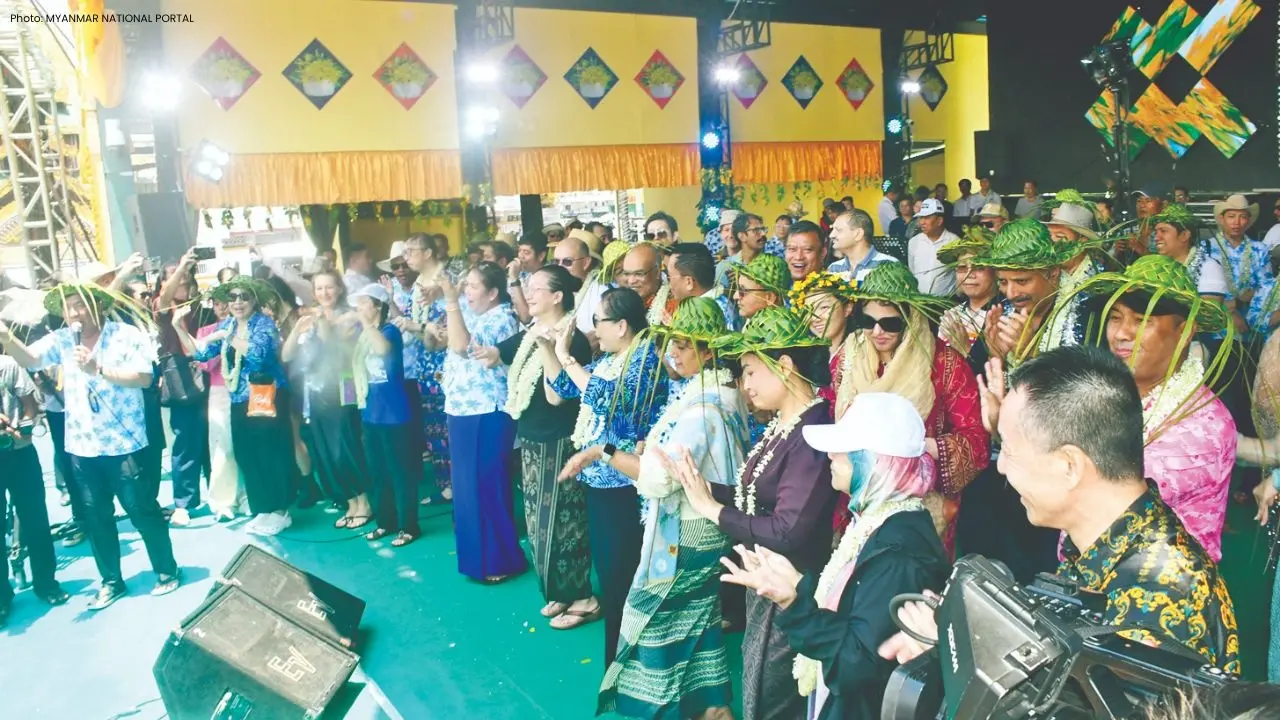
On April 14, 2026, Yangon came alive as the Thingyan Festival, which signifies Myanmar’s traditional New Year, welcomed enthusiastic participation from diplomats, UN officials, and their families. The festival drew in both locals and the international community, fostering a vibrant and inclusive atmosphere across the city.
Events unfolded at key venues such as Yangon People’s Square, Maha Thingyan Pavilion, and Maha Bandula Park, where large crowds congregated to partake in the traditional water festival—a celebration representing purification, renewal, and the ushering in of a new year. Regional leaders and officials greeted diplomats and guests warmly, epitomizing the festival's spirit of hospitality.
As the festivities progressed, attendees engaged in customary activities like applying Thanaka, a unique cosmetic paste noted for its yellowish hue, prevalent in Myanmar’s tradition. Diplomats and their families mingled with locals, delighting in playful water splashes that are central to the Thingyan experience. This participation fostered joyful moments and connections, uniting diverse cultures through cherished traditions.
The event was a showcase of Myanmar’s rich cultural legacy, featuring performances that captivated audiences. The Ministry of Foreign Affairs and various local groups presented dance shows, with awards honoring performers for their exceptional contributions, enriching the festive spirit with vibrancy and depth.
Music played a crucial role in elevating the celebratory mood, as live performances and collective singing united attendees in a shared cultural experience. National and traditional tunes resonated throughout the event, enhancing the sense of togetherness among participants. During the celebrations, several ambassadors conveyed New Year greetings, underlining themes of friendship, collaboration, and cultural appreciation.
Notable diplomatic figures, including ambassadors from Nepal, China, and Sri Lanka, delivered goodwill messages emphasizing the importance of strong international ties. Their engagement reflected the festival's global significance and its role in encouraging cultural exchange.
The celebration continued at Maha Thingyan Pavilion, where guests enjoyed further performances before joining the lively walking festival down Maha Bandula Park Road. The streets vibrated with music, dance, and water festivities, as both locals and visitors fully embraced the celebratory spirit.
Ultimately, the Thingyan Festival in Yangon served as a strong emblem of cultural unity and harmony, gathering individuals from various backgrounds in a joyful, peaceful environment and showcasing how traditional festivities bridge communities and nations.