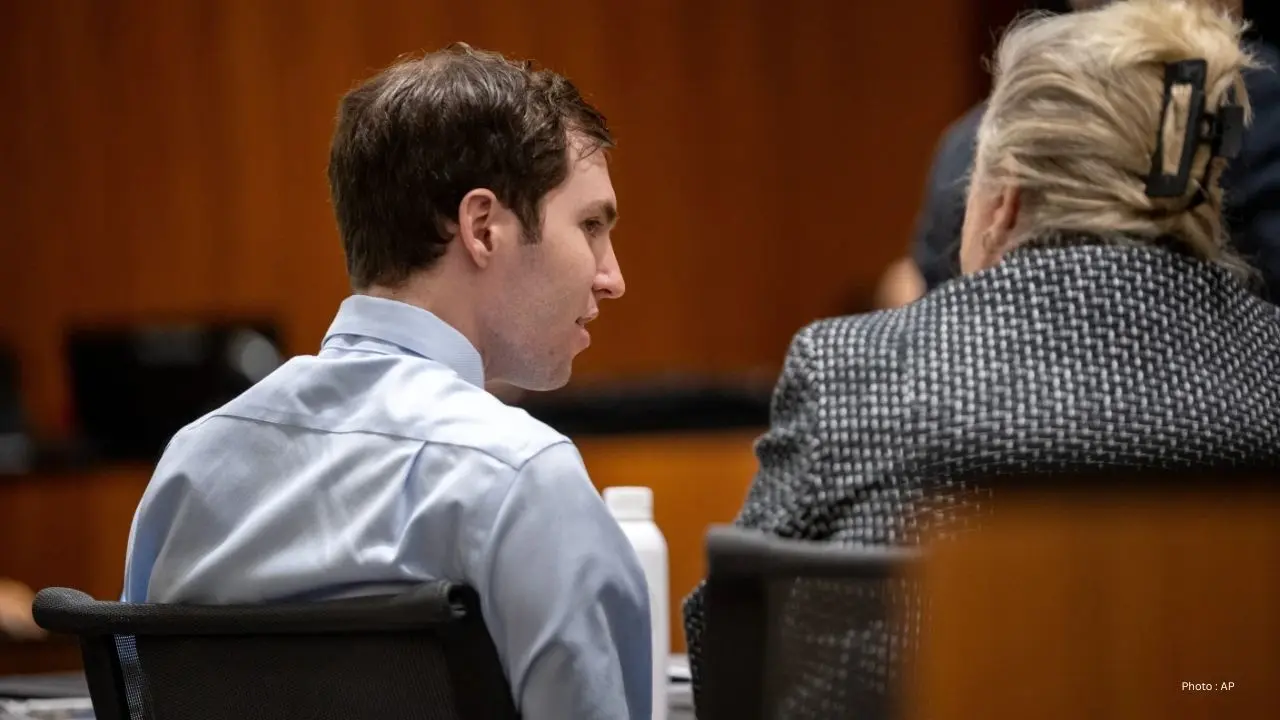
The defence team in the murder trial of Charlie Kirk has argued that courtroom cameras and intense media coverage are making it difficult for the accused to receive a fair trial. Lawyers representing Tyler Robinson claim that public broadcasts of court proceedings are influencing how potential jurors view the case.
During a pretrial hearing in Provo, defence witnesses said that media portrayals of Robinson as a “monster” and speculation about his guilt are creating bias. They urged the court to ban cameras from the courtroom, arguing that live coverage encourages sensational reporting and misinterpretation of Robinson’s behavior.
A social psychologist testifying for the defence explained that the widespread attention has turned the case into something like a “reality TV show,” adding pressure on everyone involved, including jurors. The defence also presented media clips, including commentary from a former FBI agent, as examples of prejudicial coverage.
However, prosecutors and media organizations disagree. They argue that allowing cameras in court promotes transparency and helps prevent misinformation. Supporters of open coverage, including Kirk’s widow, believe public access ensures accountability and builds trust in the judicial process.
Judge Tony Graf has not yet made a final decision on the issue. He said he will rule on May 8 regarding whether cameras will continue to be allowed in the courtroom. In the meantime, strict rules have been enforced, including limiting camera angles and positioning them at the back of the courtroom to reduce potential bias.
The case stems from the fatal shooting of Charlie Kirk in September 2025 at a public event near Utah Valley University. Prosecutors allege that Robinson shot Kirk during a large gathering and later turned himself in. He has not yet entered a plea, and no trial date has been set.
Authorities say there is significant evidence linking Robinson to the crime, including DNA found on a weapon and surveillance footage placing him near the scene. Prosecutors also claim he confessed in a handwritten note and in online messages. The defence, however, argues that more detailed forensic information is needed before moving forward.
As the legal battle continues, the debate over courtroom transparency versus the right to a fair trial remains central. The judge’s upcoming decision on camera access could play a crucial role in shaping how the case proceeds.