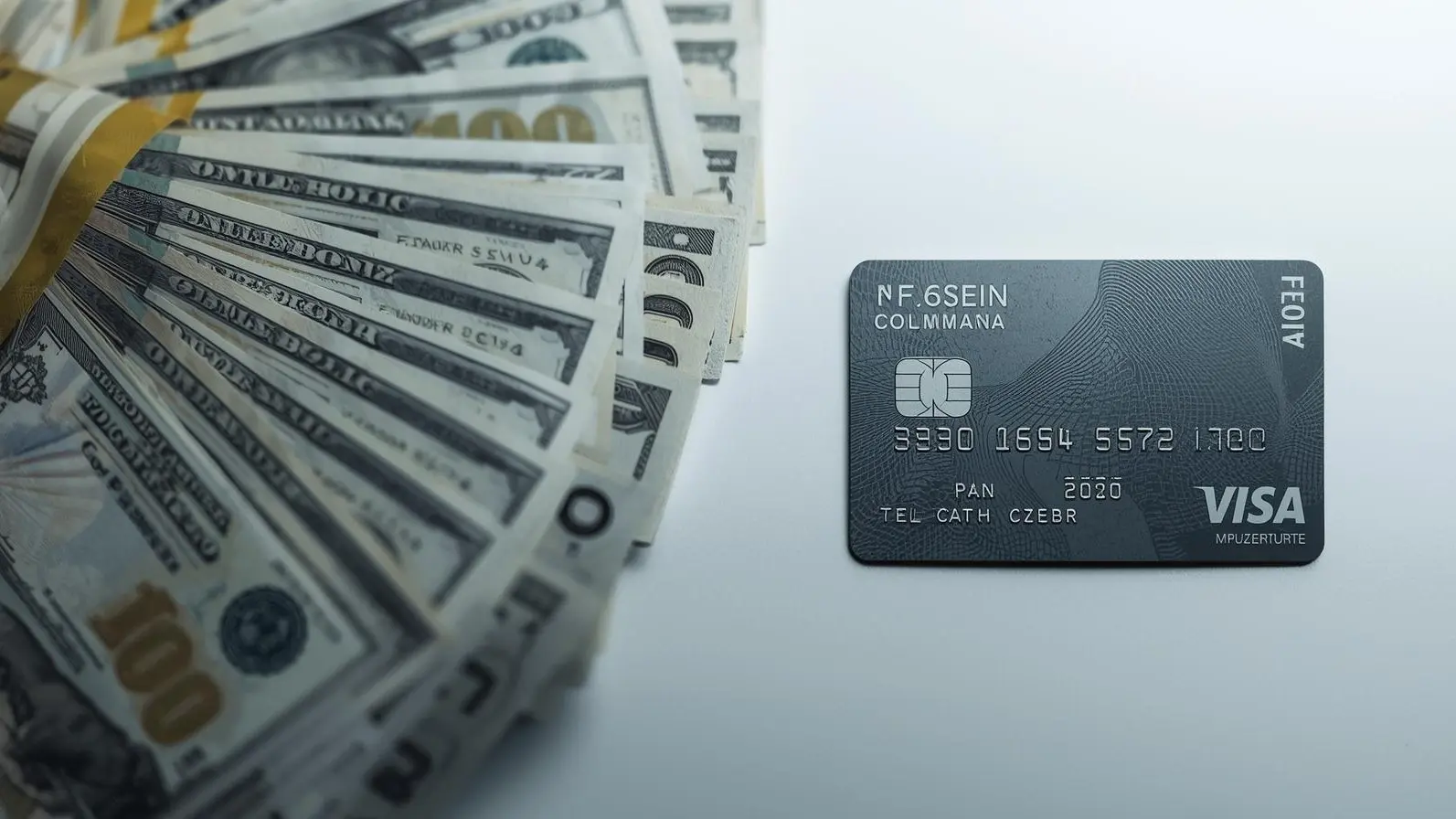
The Current Battle: Credit Cards Versus Cash in Today's Payments
The landscape of payment methods has evolved sharply over the last decade. With the rise of digital payments, contactless technology, and mobile commerce, credit cards have taken the lead as preferred payment options—while cash continues to see a decline in many areas. However, cash remains the go-to choice in particular situations and regions. This guide elucidates contemporary usage of credit cards versus cash, highlighting the trends shaping the payment landscape worldwide and examining the contexts in which one method may outperform the other.
Differentiating Payment Methods
Credit cards enable users to borrow funds for transactions, offering the flexibility to pay later, earn rewards, and strengthen their credit profiles. In contrast, cash offers a straightforward means of payments at the point of sale, free from intermediaries or electronic systems. Both methods present unique advantages and ongoing usage scenarios.
Digital Payment Trends Across the Globe
In many affluent nations, card payments—especially those made via credit and debit cards—predominate in both retail and online settings. With technological advances such as contactless cards, tap-to-pay solutions, mobile wallets, and integrated payment systems, consumers increasingly lean towards cards for their speed and convenience. The COVID-19 pandemic further accelerated the transition to card and digital payments, driven by hygiene considerations and a preference to avoid handling cash.
The Appeal of Credit Cards
Credit cards are favored for:
- Convenience: Fast tap or swipe payments widely accepted
- Online transactions: Commonly used in e-commerce alongside fraud safeguards
- Rewards: Cashback, miles, points, and travel incentives encourage regular use
- Expense tracking: Monthly billing statements assist in budgeting
- Credit enhancement: Responsible usage can bolster credit history
- Consumer protection: Superior dispute resolution and fraud defenses compared to cash
In numerous developed regions, credit cards dominate as the preferred method for everyday purchases, including groceries, dining out, travel, and recurring bills.
Cash's Resilience in Certain Domains
Despite the rise of card payments, cash remains vital in various contexts:
- Minor purchases: Small businesses, street vendors, and marketplaces frequently favor cash
- Tipping culture: Many service sectors continue to expect cash gratuities
- Rural accessibility: Cash reigns supreme in areas with limited digital resources
- Privacy concerns: Cash transactions leave no digital footprint
- Informal economies: Cash is prevalent in unregistered or casual exchanges
- In emerging and rural economies, cash still constitutes a sizable portion of daily transactions.
Regional Variations in Payment Preferences
- North America and Western Europe: Credit and debit cards lead; contactless transactions surpass cash in many urban locales.
- Asia Pacific: Countries like China, South Korea, and Japan are witnessing rapid mobile payment adoption; cash remains in smaller towns and markets.
- Latin America and Africa: Cash maintains a strong presence, while urban centers see the swift rise of card and mobile payment options.
- Middle East: Urban centers embrace credit cards and e-wallets, though smaller vendors still often accept cash.
Payment Preferences Today
Globally, card-based and electronic payments are increasingly overtaking cash in retail and online transactions, particularly in urbanized and developed regions. Recent surveys reveal that:
Card transactions have become the norm for daily buying needs in many locales.
Mobile wallets and contactless options are experiencing swift growth, largely linked to credit cards.
Online shopping predominantly utilizes credit or debit cards, or digital wallets associated with cards.
Cash maintains relevance only in specific situations and regions with limited banking facilities.
Payment Types: Cash vs Card Comparisons
Daily Retail: Cards are favored in outlets with terminals.
Online Shopping: Almost exclusively involves credit or debit cards.
Small Vendors/Markets: Cash remains prevalent.
Dining: Larger establishments accept cards; smaller cafes may still prefer cash.
Transportation: Card acceptance is on the rise, yet cash remains prominent in some regions.
The Security Factor
Credit cards frequently provide enhanced fraud protection and simple dispute processes. If a card is lost or stolen, it can be disabled, and unauthorized charges can typically be reversed. In contrast, cash—once lost—cannot be recovered. This security edge bolsters card use, particularly for significant purchases.
Spending Behavior: Cash vs Cards
Many consumers perceive cash as more tangible, often resulting in reduced spending as they physically witness the money exit their hands. Cards, particularly credit cards, can detach spending from the immediate cost, sometimes promoting overspending. Individual budgeting styles significantly influence the effectiveness of each payment method.
COVID-19's Influence on Payment Evolution
The pandemic hastened the decline of cash in favor of contactless payment methods. Numerous retailers ceased cash transactions to minimize health risks, pushing consumers toward cards and e-wallets.
The Rise of New Payment Technologies
Digital payment platforms (like Apple Pay and Google Pay), buy-now-pay-later schemes, and QR code systems dissolve the boundary between cash and card payments by introducing card-like ease without the physical card. These innovations often favor card-linked frameworks.
Choosing the Right Method for You
If you're security-focused, want rewards, or frequently shop online, credit cards are a perfect fit, especially in urban settings. Conversely, cash remains crucial for small businesses, tipping, and areas lacking dependable electronic payment systems.
Travel Recommendations
When traveling, carrying a combination of credit cards and local currency is wise. Cards see widespread acceptance in metropolitan areas, yet cash is essential in markets and remote locales. Always familiarize yourself with local payment customs before traveling.
Looking Ahead: The Future of Cash and Card Usage
While cash use continues on a global downturn, it will likely remain as a fallback option, particularly in informal economies. The projection for card and digital transactions remains upbeat as improvements in infrastructure, mobile accessibility, and contactless technology flourish.
Disclaimer
This article serves as informational content only. Payment trends and statistics can differ based on country, region, and economic circumstances. Always consider local customs while planning finances or travel.