Congress Calls for Greater Balance in India's Foreign Policy
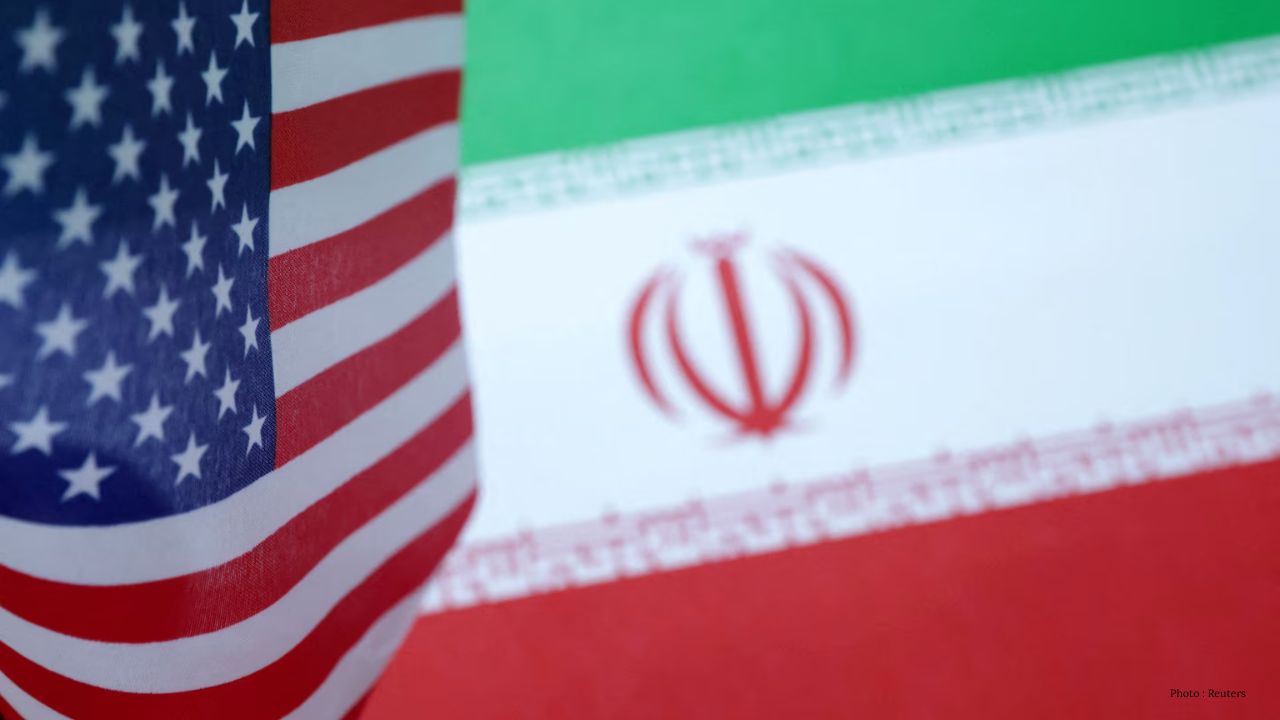
The Congress party on Monday criticized the Narendra Modi government's approach to foreign affairs, arguing that India's national interests require a more balanced position on developments in West Asia. The remarks came amid reports that the United States and Iran are preparing to sign an agreement aimed at ending hostilities and restoring stability in the region.
Congress general secretary Jairam Ramesh said the proposed accord between Washington and Tehran should be welcomed, while emphasizing that the complete details of the arrangement have yet to be officially released.
Congress Raises Concerns Over Regional Challenges
In comments shared on social media, Ramesh said the reopening of the Strait of Hormuz would provide relief to India, given the country's dependence on energy imports and maritime trade. However, he argued that several structural challenges facing the Indian economy existed long before the recent conflict in West Asia.
According to the Congress leader, issues including pressure on the rupee, weak private investment, stagnant wages and concerns over rising imports have continued to affect economic growth.
He also claimed that Pakistan, which India had successfully isolated diplomatically following the 2008 Mumbai attacks, appears to have regained influence on the international stage.
Pakistan-China Ties Highlighted
Ramesh expressed concern over the growing strategic relationship between Pakistan and China, describing it as a major geopolitical challenge for India.
He argued that the combination of Pakistan's renewed diplomatic presence and China's expanding role in Pakistan's strategic framework could complicate India's foreign policy environment.
The comments came after Pakistani Prime Minister Shehbaz Sharif announced that a peace agreement between the United States and Iran had been reached and would be formally signed in Switzerland on June 19.
Sharif also acknowledged the role played by Qatar in facilitating negotiations and welcomed the diplomatic efforts aimed at ending the conflict.
Criticism of Government's Position on Israel
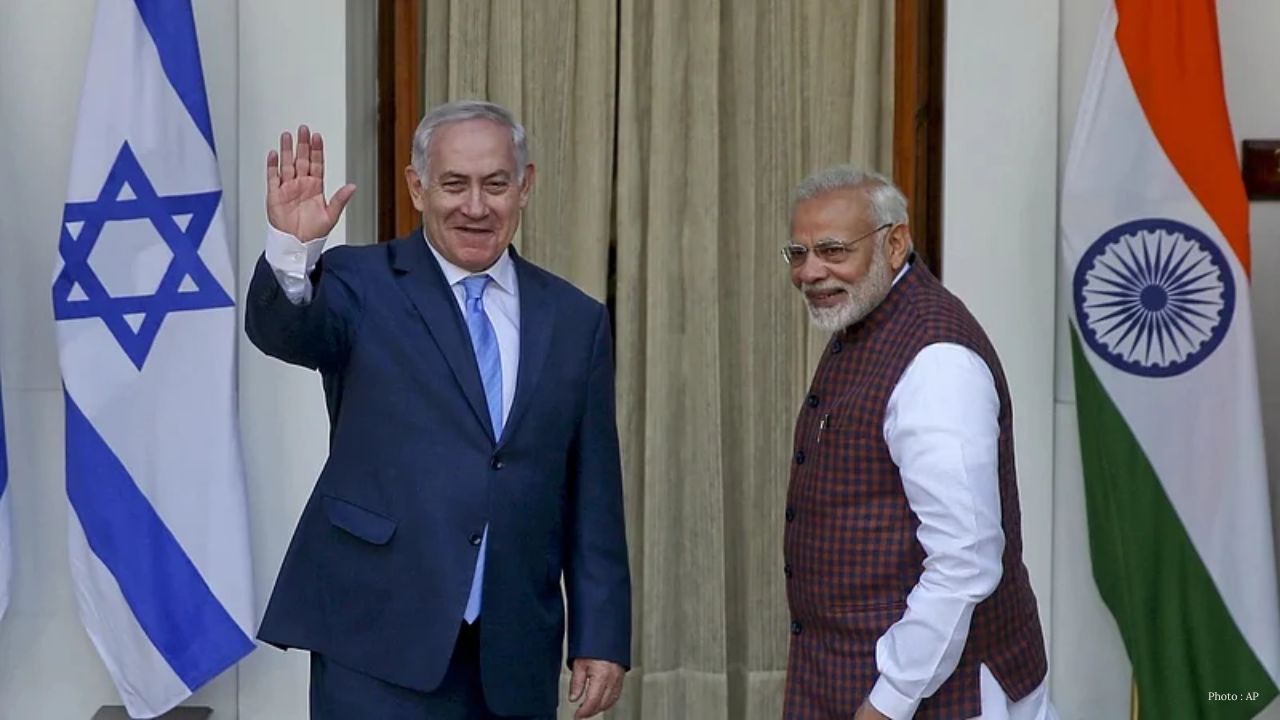
The Congress leader also criticized what he described as the Modi government's strong support for Israel. He argued that India should pursue a more balanced approach that takes into account humanitarian considerations as well as the country's longstanding diplomatic principles.
Ramesh maintained that India's national interests require careful engagement with all sides and suggested that a broader perspective would better serve the country's strategic objectives.
The ruling Bharatiya Janata Party has consistently emphasized strong ties with Israel while maintaining relations with countries across the Middle East.
Focus on Diplomacy and Stability
The debate comes at a time when regional tensions and global energy security remain major concerns. Developments surrounding the proposed US-Iran agreement are being closely watched by governments worldwide because of their implications for trade, oil supplies and geopolitical stability.
As diplomatic efforts continue, discussions over India's foreign policy priorities and its approach to evolving international challenges are likely to remain an important issue in the country's political discourse.
With uncertainty still surrounding the final terms of the proposed agreement, political leaders are expected to continue debating how India should balance its strategic interests while responding to shifting developments in West Asia and beyond.
For all major updates and developments, stay connected with us.