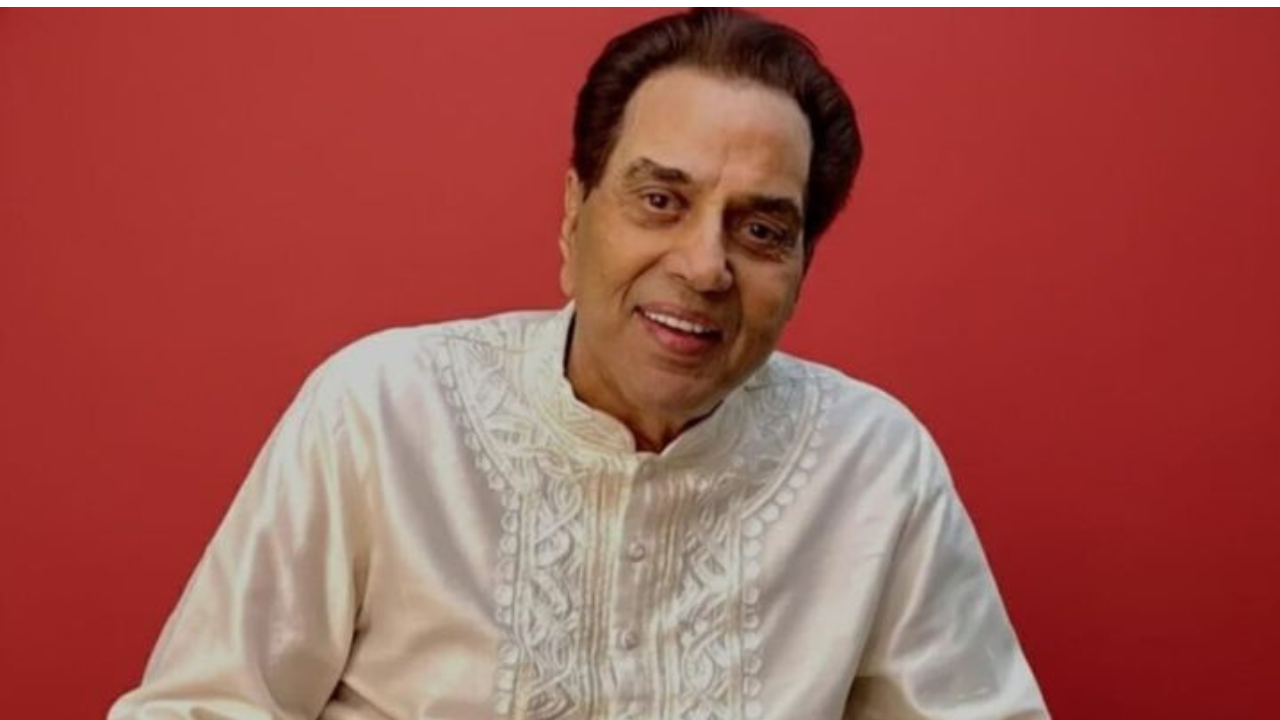
Cherishing Dharmendra: The Bollywood Titan Who Shaped Film History
In the realm of Indian cinema, few figures evoke the admiration and warmth that Dharmendra, affectionately termed the He-Man of Bollywood, has garnered over six illustrious decades. His odyssey—spanning from a humble village in Punjab to the heights of Bollywood stardom—unfolds as a captivating narrative of an actor who symbolizes an entire epoch of Indian filmmaking marked by his charisma and range.
A Journey Steeped in Aspirations and Grit
Born on December 8, 1935, in Sahnewal, Punjab, Dharmendra hailed from a modest background far detached from cinematic splendor. His early fascination with films ignited as he watched movies in local theatres, instilling admiration for legends like Dilip Kumar.
With sheer passion, he moved to Mumbai after clinching Filmfare's talent contest victory. This was just the inception of an extraordinary acting journey, establishing him as a cherished figure in Hindi cinema.
Pioneering a Revolutionary Shift in Bollywood
Dharmendra stepped into the limelight in 1960 with Dil Bhi Tera Hum Bhi Tere, swiftly establishing himself as a popular face. His captivating eyes and emotional depth perfectly suited the romantic lead archetype of the early '60s.
Defining Early Achievements
-
"Bandini" (1963): Highlighted his innate sensitivity and authenticity.
-
"Anpadh" (1962): Enhanced his reputation as a romantic hero.
-
"Aaye Milan Ki Bela" (1964): Cemented his status as a household name.
By the late '60s, he evolved into a formidable force in cinema.
The Pinnacle: An Exceptional Mix of Genres
The 1970s marked a golden era for Dharmendra, showcasing unmatched adaptability and skill.
As an Action Trailblazer
Films such as "Sholay", "Dream Girl", and "Charas" solidified his reputation as Bollywood's pioneering He-Man. He performed his stunts, showcasing courage and garnering respect from audiences and filmmakers alike.
As a Romantic Icon
His on-screen chemistry with Hema Malini, especially in hits like "Seeta Aur Geeta", "The Burning Train", and "Sholay", set benchmarks that continue to be revered today.
As a Comedy Maestro
In Hrishikesh Mukherjee’s "Chupke Chupke", Dharmendra displayed one of the finest comedic roles in Bollywood, proving his remarkable versatility across genres.
A Star with Unbroken Bonds to His Audience
An Extensive Filmography
Dharmendra’s enduring influence is unparalleled. Through the decades, his magnetic screen presence captivated audiences, whether he portrayed a rebellious youth, a romantic lead, or a family patriarch.
Humility at His Core
Despite his superstar status, he remained known for his simplicity and respectful demeanor. Directors often noted how Dharmendra treated everyone on set with equal warmth.
Adored Across Generations
Fans from the '70s admired his robust persona, families cherished his emotional portrayals, while contemporary audiences reconnected through:
Dharmendra resonates across time, trends, and generations.
The Family Upholding His Legacy
As a father and mentor, Dharmendra's influence is profound. He nurtured new talent and fostered artistic endeavors among his children:
-
Sunny Deol, now a respected National Award–winning actor and MP
-
Bobby Deol, who made a successful return with Aashram and Animal
-
Esha Deol and Ahana Deol, carving their paths in the industry
His cinematic legacy continues to thrive through them.
Transformative Contributions to Indian Cinema
Reimagining the Bollywood Hero
Before Dharmendra's arrival, romantic leads reigned. He revolutionized this notion, embodying an actor capable of:
-
Bravery
-
Emotion
-
Humor
-
Relatability
He demonstrated that a hero’s power lies in their humanity beyond mere dialogue.
Iconic Dialogues & Cultural Significance
Catchphrases such as:
-
“Kutte, kamine… main tera khoon pi jaunga!”
-
“Basanti, in kutton ke saamne mat nachna.”
have become integrated into daily dialogue, enhancing his cultural legacy.
A Link Between Classic and Contemporary Bollywood
Dharmendra witnessed and participated in the transformation of Indian cinema from black-and-white narratives to vibrant mainstream entertainers.
Why Dharmendra's Legacy is Timeless
His charisma, integrity, and artistry distinguish him. He transcended stardom—he epitomized emotion for millions.
His contributions embodied:
-
Authenticity
-
Honesty
-
Charm
-
Irresistible magnetism
Dharmendra’s enduring legacy serves as a poignant reminder that true excellence emanates from the heart and transcends mere entertainment.
Disclaimer
This article is a tribute-style feature, created to celebrate Dharmendra’s remarkable life and contributions to Indian cinema, and does not report on any current events. Readers should consult trusted news outlets for updates on ongoing developments.