Photo: AP
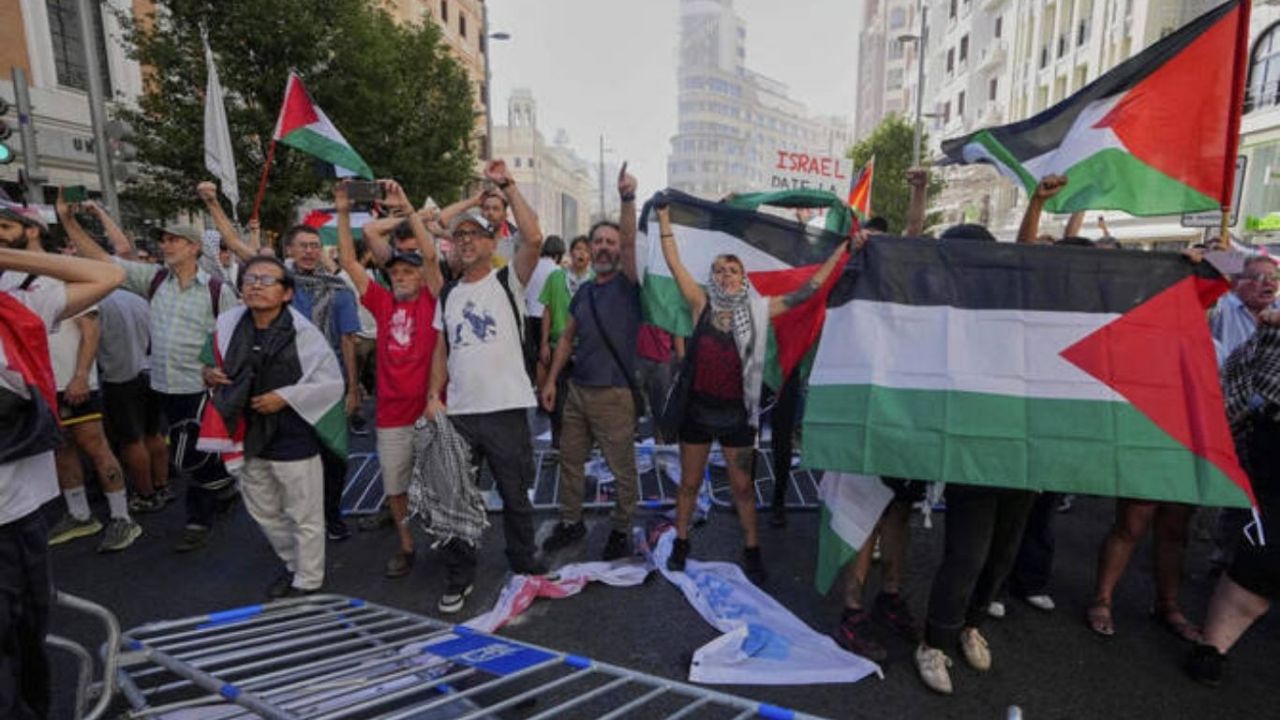
In recent weeks, a growing number of artists, writers, and musicians from the West have begun openly supporting a cultural boycott of Israel in response to the ongoing Gaza war. These calls come as Western governments have largely resisted major economic sanctions, leaving cultural figures to use their public influence to pressure for change.
The movement has drawn inspiration from the successful international campaign against apartheid in South Africa. At that time, global artists, athletes, and companies refused to support South Africa, contributing to the eventual collapse of the oppressive regime. Today, activists hope to replicate that model to influence Israel’s policies in Gaza.
The campaign has gained momentum through initiatives like the open letter from Film Workers for Palestine. Thousands of signatories, including well-known actors Emma Stone and Joaquin Phoenix, have pledged to cut ties with Israeli institutions they believe are “implicated in genocide.” British actor Khalid Abdalla, known for The Kite Runner and The Crown, told AFP that the world is at a “tipping point” and that cultural influence can help raise awareness.
The boycott movement is spreading across multiple industries. At the Emmy Awards this week, winners like Javier Bardem and Hannah Einbinder spoke out about the crisis in Gaza. In the music world, the British group Massive Attack has joined a collective called “No Music for Genocide,” which aims to prevent the streaming of their songs in Israel. Other actions include calls to boycott the Eurovision Song Contest and letters from authors urging cultural and academic disengagement. Even Israeli conductor Ilan Volkov has stated he will no longer perform in Israel.
Academics have noted that the movement draws historical parallels with South Africa. Hakan Thorn, a Swedish scholar, said the world’s reaction to Gaza this year resembles the international outcry during the apartheid era, particularly after the Sharpeville massacre in South Africa in 1960. However, Thorn cautions that boycotts alone are not enough; meaningful change requires broader political and economic pressure.
The campaign faces challenges, including accusations of antisemitism. Critics argue that some boycott supporters cross a line into anti-Jewish sentiment. David Feldman, an expert on antisemitism at Birkbeck College in London, explained that such claims can confuse the public about the intentions of the boycott movement. He emphasized that today’s efforts are primarily focused on protesting Israel’s actions in Gaza, not targeting Jewish people.
The historical lessons from the South African boycott highlight the limits of cultural campaigns. While the movement helped draw attention to apartheid, the regime ultimately fell due to economic pressure, political isolation, and international diplomacy. Similarly, current advocates against Israel stress that cultural boycotts are only one tool among many needed to influence change.
Inside Israel, reactions have been mixed. Many artists oppose the Gaza war and feel torn about the boycott’s impact. Israeli screenwriter Hagai Levi, known for Scenes from a Marriage and The Affair, noted that most of the country’s artistic community is against the conflict, and boycotts may unintentionally harm those voices.
The ongoing Gaza war, which began after the October 7, 2023 attack by the Palestinian militant group Hamas, has caused massive casualties. According to Gaza’s health ministry, over 65,000 people, mostly civilians, have died in Israeli retaliatory strikes. The conflict has raised complex ethical and political questions, making cultural boycotts a visible form of global protest.
In conclusion, the cultural boycott movement against Israel continues to gain traction. Celebrities, musicians, and writers are using their public platforms to call attention to Gaza and apply pressure on governments and institutions. While challenges remain, including accusations of antisemitism and potential unintended consequences, the campaign reflects a broader effort to use culture as a tool for social and political change, drawing lessons from history to influence the present.