Cash and Digital Payments in the UAE: A Closer Look at Usage Trends
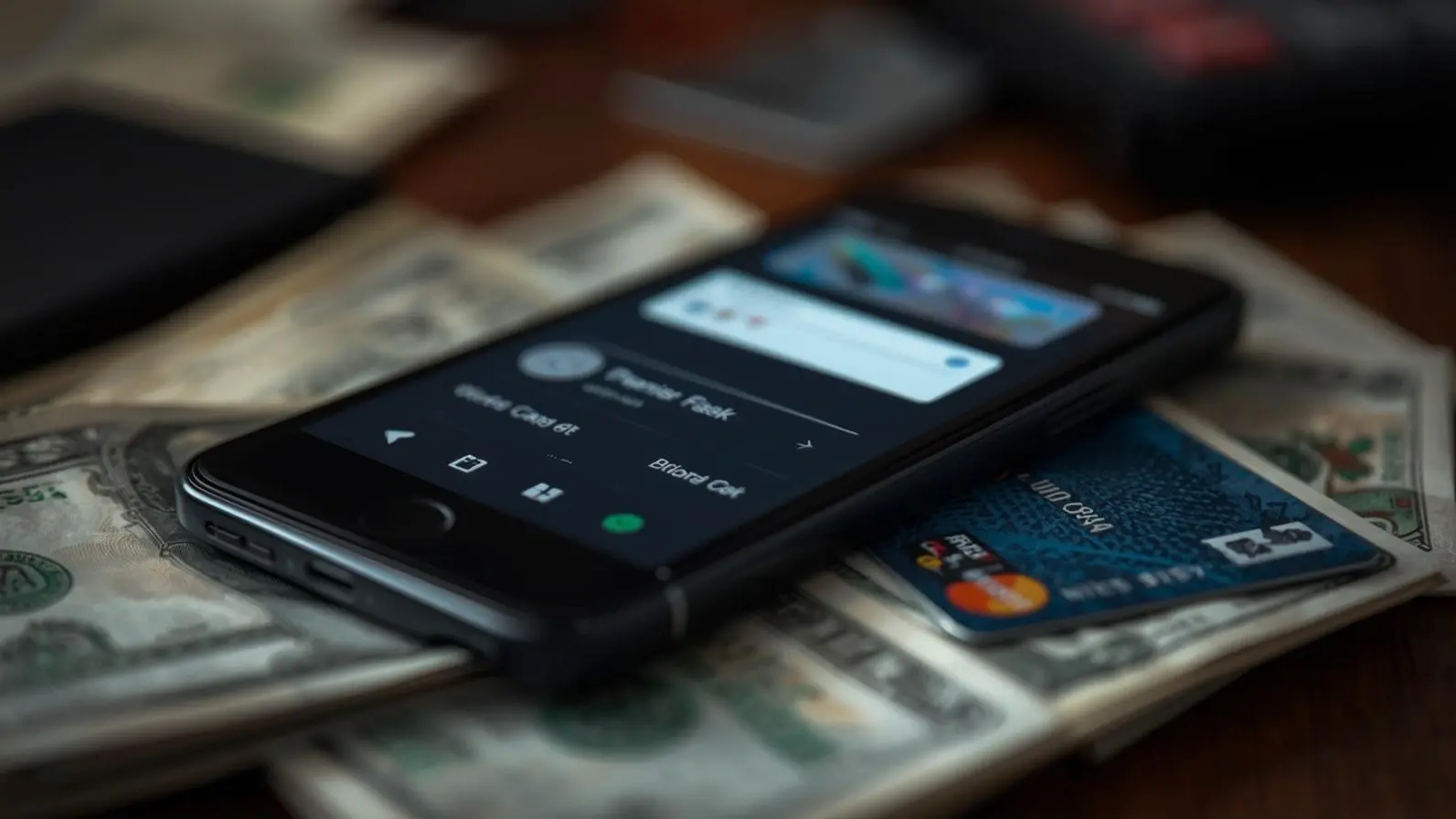
The landscape of financial transactions in the United Arab Emirates (UAE) is shifting rapidly. As one of the most tech-savvy regions within the Middle East, the UAE has seen a significant uptake in digital payments, including mobile wallets and card transactions. Yet, cash still remains integral for various everyday transactions. This detailed overview delves into how both locals and tourists engage with different payment methods in the UAE as of 2026, highlighting popular options, driver technologies, and situational preferences.
Importance of Payment Trends in the UAE
The UAE boasts a strong economy and ambitious digital transformation goals. Government backing, robust banking systems, and widespread smartphone culture have propelled the move toward cashless transactions. Nonetheless, cultural practices, sector-specific norms, and practical needs still shape the payment methods people choose to utilize.
Understanding Digital Payments
Within this context, digital payments refer to:
Card transactions: Use of debit or credit cards (Visa, Mastercard, and local banking cards)
Contactless & Mobile Wallets: Options like Apple Pay, Samsung Pay, and Google Pay
Peer-to-peer payment applications: Platforms like Payit and various UAE banking apps
QR code transactions: Easy scan & pay options available in retail, taxi services, and eateries
Digital payments may involve physical cards, mobile wallets, or direct app-to-app interactions.
Understanding Cash Payments
Cash payments encompass any physical currency used for buying goods or services. This typically includes:
Smaller purchases at markets and local vendors
Taxi rides or parking meters that may favor cash
Tipping service providers
Cash remains applicable particularly in situations where digital payment solutions are not present or not ideal.
Overall Payment Trends in the UAE
In formal settings, digital payments are predominant. In shopping centers, grocery stores, hotels, online platforms, and larger retailers, users predominantly prefer card or mobile wallet options. Post the COVID-19 pandemic, UAE banks and businesses have heavily promoted contactless solutions, emphasizing hygiene, speed, and convenience.
That said, cash continues to circulate in certain scenarios such as informal purchases, small tipping situations, and environments where digital solutions may be restrictive.
Prominent Sectors for Digital Payments
Retail & Grocery Stores: The majority of shoppers utilize debit or credit cards, with contactless methods expediting checkouts.
Online Retail: Largely conducted via digital platforms (cards and mobile payment methods).
Dining Out & Cafés: Card payments are standard, with increasing QR ordering and in-app payment solutions.
Ride-hailing & Delivery Services: Digital transactions are prevalent through app wallets or saved payment methods.
Utility Bills: Most residents prefer digital payment options via bank apps or automated services.
Where Cash Still Holds Relevance
Small Markets & Independent Vendors: Some sellers exclusively accept cash due to limited digital payment integration.
Tipping Practices: Service workers often prefer cash gratuities.
Parking Fees: Certain meters or independent shops may demand cash payments.
Remote Areas: Lesser developed zones may lack adequate card facilities or stable digital connectivity.
Growth in Mobile Wallets & Contactless Payments
Mobile wallets such as Apple Pay, Samsung Pay, Google Pay, and local financial apps are witnessing a surge, particularly among younger demographics and expatriate communities. Numerous retailers now embrace contactless payment methods, prioritizing convenience and haste. The UAE's high smartphone penetration translates to easier adoption of wallet services.
QR code usage — allowing users to easily scan to pay via their banking apps or wallets — is also on the rise, particularly in food service and scenarios where transaction costs for sellers may be prohibitively high.
Cash vs Digital Payments for Daily Transactions
Small-scale purchases: Typically, cash is utilized for minor buys, gratuities, and places without card acceptance.
Mid-range transactions: Predominantly involve cards and digital wallets.
Larger transactions: Digital payments, especially cards and online systems, are overwhelmingly favored.
Demographics & Spending Behavior
Younger residents and expats tend to favor digital and contactless payments almost exclusively.
Older demographic groups may frequently use cash, especially for smaller items.
Tourists generally prefer cards but often withdraw cash for minor market transactions or tipping service workers.
Cost Implications & Fees
Digital payment methods often incur merchant transaction fees, potentially affecting the acceptance rates among small vendors. Cash, on the contrary, carries no processing fees, making it an appealing option for informal sellers despite its inconvenience for consumers.
Government & Banking Promotion
Various government initiatives and banking institutions have actively promoted cashless transactions by offering incentives, lowering fees, and running educational campaigns. Certain cities and events feature "smart payments" to emphasize faster and safer digital transactions.
What's Truly Popular?
While specific figures fluctuate based on demographics and location, digital payments are increasingly preferred over cash for daily transactions across the UAE, especially in urban areas. Nonetheless, for certain situations such as informal sales and tips, cash maintains its significance and continued use.
Practical Payment Tips for the UAE
Always carry cash for small expenses, gratuities, and parking needs. Utilize digital payments (credit/debit cards and mobile wallets) for the majority of retail and dining expenses. Activate contactless payment options on your smartphone for quick and secure checkouts. Always verify if smaller businesses accept card payments, as many still prefer cash.
Disclaimer
This article is intended for informational use and illustrates general trends. Individual payment experiences may vary based on factors such as location, merchant technology, and user preferences. It's advisable to maintain a mix of payment options when traveling or residing abroad.