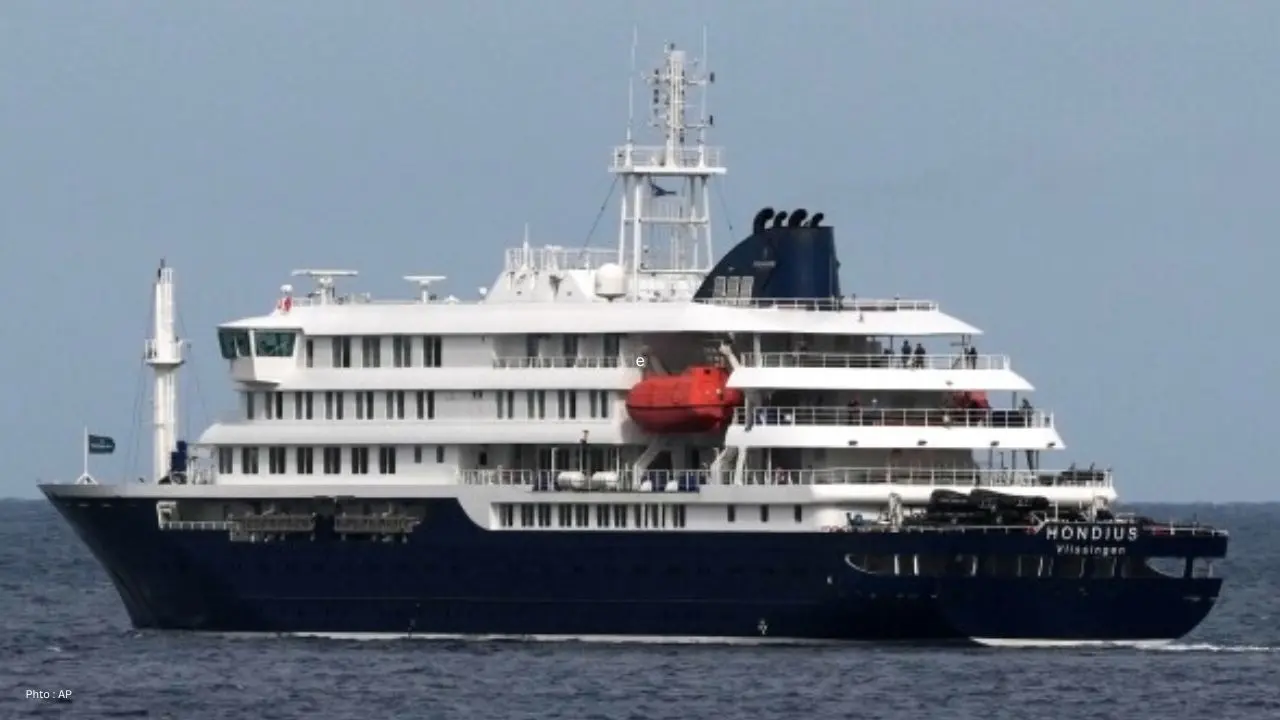
A deadly hantavirus outbreak linked to the cruise ship MV Hondius has raised concerns among health officials after 10 Canadians were connected to the incident. The ship was travelling on a polar expedition route from Argentina to Antarctica and several remote South Atlantic islands when passengers and crew members began showing serious symptoms during the journey. According to international health authorities, multiple people became sick and at least three passengers died during the outbreak investigation.
Canadian officials confirmed that several Canadians were either onboard the cruise ship or had close contact with passengers connected to the outbreak. Reports said four Canadians remained on the vessel while others had already left the ship earlier during the trip. Three Canadians in Ontario and Quebec were later placed under self-isolation and monitoring as a precaution after possible exposure to infected passengers. Health authorities said the individuals were not showing symptoms at the time but were being carefully observed.
The outbreak happened aboard the Dutch-operated cruise ship MV Hondius, which was travelling through isolated regions in the South Atlantic Ocean. During the voyage, passengers reportedly started suffering from fever, breathing problems, and flu-like symptoms. Medical teams onboard struggled to handle the growing emergency as more people became ill. The World Health Organization later confirmed several hantavirus cases linked to the ship and said investigations were continuing to understand how the virus spread among passengers.
Hantavirus is a rare but dangerous disease usually spread through contact with rodents, including exposure to rodent urine, saliva, or droppings. In rare situations, experts say some strains of the virus may spread between humans through close contact. Health officials believe the Andes strain of hantavirus could be involved in this outbreak because it has previously shown limited human-to-human transmission in South America.
The cruise ship later moved toward the Canary Islands and Cape Verde as international medical teams prepared to assist passengers and crew members. Authorities from several countries started contact tracing operations to identify people who may have been exposed after leaving the ship earlier in the journey. The World Health Organization said the overall risk to the public remains low, but officials are taking extra precautions because the virus has a long incubation period and symptoms can become severe very quickly.
Canadian health authorities are continuing to monitor the situation closely while working with international partners. Officials said Canadians connected to the outbreak are being followed under public health safety measures to prevent further spread of the virus. Experts have also advised people to remain calm because hantavirus does not spread as easily as common respiratory viruses, but they warned that early medical attention is important if symptoms appear.