Photo:Reuters
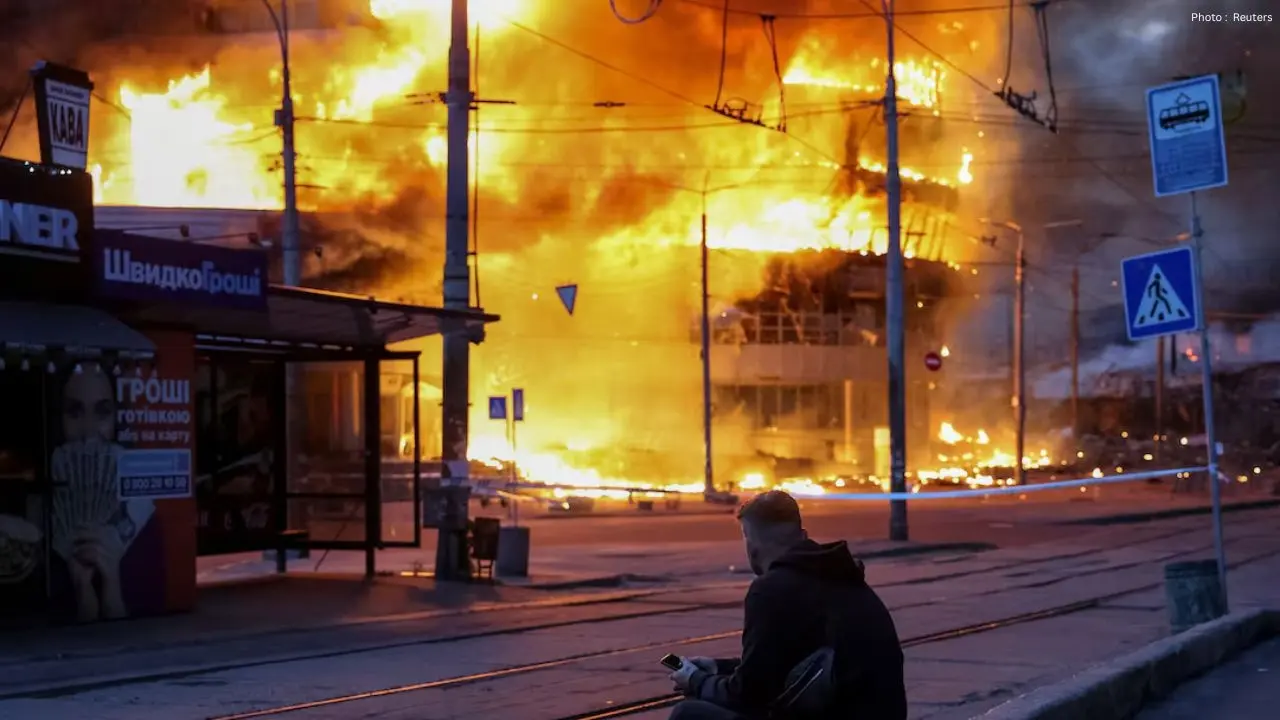
Each year, wildfires are an expected, yet dreaded, part of the natural cycle in Canada’s vast forests. However, the 2025 wildfire season has surpassed historical norms in scale and severity, creating a crisis that touches millions. Over 7.2 million hectares—roughly an area the size of New Brunswick—have been burned across multiple provinces, making this Canada’s second-worst wildfire season on record, behind only the devastating 2023 fires.
Early Start and Scope of Fires
The wildfire season began early in May 2025, with over 160 fires already active by mid-May in Manitoba, Ontario, and Saskatchewan. These provinces have been hardest hit, with Saskatchewan alone burning over 2.7 million hectares and Manitoba over 1.6 million hectares. British Columbia, Alberta, Quebec, and the Northwest Territories are also battling large fires well above their 25-year averages.
Fires ignite naturally and due to human activity, but scientists highlight that climate change has significantly intensified conditions favorable to wildfires—higher temperatures, drier weather, and longer fire seasons. For the third year in a row, the prairies have suffered an early and explosive fire season compounded by strong winds and dry conditions.
Human and Community Impact
The fires have forced tens of thousands of people from their homes, especially in rural, Indigenous, and remote communities. The town of Lac du Bonnet, northeast of Winnipeg, tragically saw the loss of two civilians. Entire villages, such as Denare Beach in Saskatchewan, have experienced severe destruction. Provincial governments declared states of emergency in Manitoba and Saskatchewan to marshal resources and support evacuations. The Canadian Armed Forces have been deployed to assist with firefighting efforts and humanitarian aid.
Air Quality and Health Crisis
Smoke from the wildfires is not confined to Canada’s borders; it has blown deep into the United States, impacting air quality in 10 states and exposing over 117 million people to hazardous air pollution levels on single days in early June alone. Cities like Toronto, Montreal, and Detroit have issued severe air quality warnings, urging residents—especially the vulnerable such as children, elderly, and those with respiratory conditions—to minimize outdoor exposure. Smoke has even been detected traveling far enough to cause unusual atmospheric effects like red-orange sunsets in Europe, demonstrating the global reach of this crisis.
Environmental and Economic Consequences
The fires have destroyed millions of hectares of forest, releasing massive amounts of carbon dioxide and other pollutants into the atmosphere, contributing further to climate change. They have damaged critical ecosystems and wildlife habitats. Economically, the disruption has been enormous, affecting timber industries, tourism, and local businesses. Early estimates indicate significant financial burdens for provincial governments tasked with emergency management and recovery.
Response Efforts and Challenges
Canada has mobilized thousands of firefighters—over 1,400 international firefighters have joined the fight—supported by specialized equipment and aerial firefighting assets. Despite this, containment remains difficult due to ongoing dry weather and wind. Provinces operate at the highest preparedness levels, and federal assistance is active to coordinate cross-jurisdictional efforts.
Experts emphasize the need for better forest management, updated emergency plans, and investments in community resiliency, especially for Indigenous and rural populations most at risk. There are calls for a paradigm shift to wildfire preparedness, including proactive fire prevention strategies like FireSmart initiatives that reduce fuel loads near communities.
The Role of Climate Change
Scientific consensus links the worsening wildfire seasons directly to climate change. Warmer average temperatures, extended droughts, and changing precipitation patterns create the perfect conditions for larger, more intense fires that last longer. The last three wildfire seasons rank among the worst in over 50 years of records, underscoring an urgent climate adaptation challenge for Canada and globally.